Why Does Art Matter for Kids?
When you walk into a #preschool classroom, you often see artwork on the walls. Sometimes, you see twenty paper plate snowmen that all look exactly the same. Other times, you see colorful paintings that look messy but happy. Which one helps children learn better?
Art is more than just making something pretty. It is a way for children to #express their feelings and ideas. When children are #free to create whatever they want, it helps them feel strong and capable. This kind of art builds confidence. It tells the child, "My ideas are important."
In this article, we will talk about a special way to do art called "open-ended art." We will learn why it is good for #preschoolers and how you can do it in your classroom.
What is Open-Ended Art?
Open-ended art is often called "process art." This means the most important part is the process of making it, not the product at the end.
In open-ended art, there is no right or wrong way to do it. There is no sample for the children to copy. The #teacher does not fix the child's work. Instead, the child explores the materials and decides what to make.
Product Art vs. Process Art: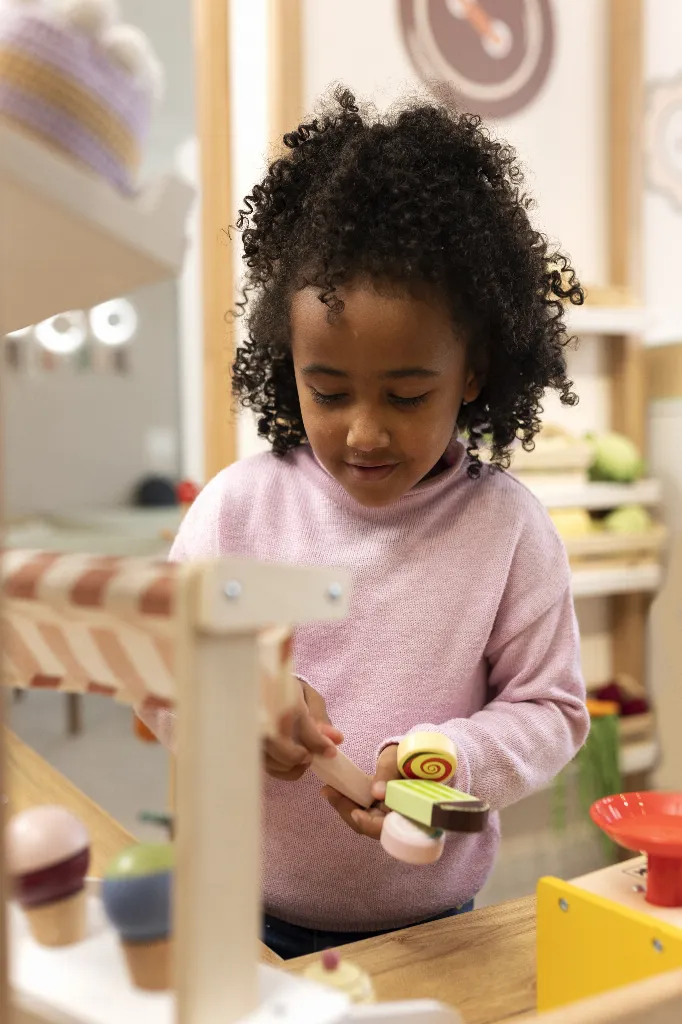
- Product Art (Crafts): The teacher gives specific instructions. Everyone makes the same thing. For example, glue these two eyes here, and paste the red nose there to make a reindeer. If the child puts the nose in the wrong spot, it looks "wrong."
- Process Art (Open-Ended): The teacher puts out paint, paper, and sponges. The child chooses which colors to use and how to move the sponge. One child might make a blue storm, while another makes yellow dots. Both are perfect.
How Does Creative Art Build Confidence?
Imagine you are learning a new job. If your boss stands over you and tells you exactly where to put every pencil, you might feel nervous. You might be afraid to make a mistake. But if your boss says, "Here are the tools, show me what you can do," you feel trusted.
It is the same for children. When you give a child a blank piece of paper, you are trusting them.
Here is how open-ended art helps children grow:
- Making Decisions: The child has to choose. "Do I want red or blue? Do I want to use a brush or my fingers?" Making choices helps them feel independent.
- Solving Problems: Sometimes, the glue does not stick, or the paint drips. The child has to figure out what to do. This teaches them to try again and not give up.
- No Fear of Failure: Since there is no "right" way, there is no "wrong" way. Children who are usually shy or afraid of making mistakes feel #safe to try new things. This builds #SelfEsteem.
What Are Simple Open-Ended Art Activities?
You do not need expensive supplies to do open-ended art. You just need to look at your materials in a new way. Here are some easy ideas to try.
1. Painting with Unusual Tools
Who says you have to paint with a brush? Put away the brushes and try something new.
- Cars and Trucks: Dip the wheels of toy cars in paint and roll them over the paper.
- Nature Brushes: Use leaves, sticks, or flowers to spread the paint.
- Kitchen Tools: Use potato mashers, forks, or sponges.
This activity focuses on texture and movement. The child learns how different objects make different marks.
2. The Collage Box
Save your scraps! A collage box is a great way to let children explore.
- Get a big box or bin.
- Fill it with safe scraps like fabric pieces, old greeting cards, buttons (for older kids), feathers, yarn, and tissue paper.
- Give the children glue and sturdy paper or cardboard.
- Let them glue whatever they want, however they want.
Some children will pile everything in the middle. Others will line things up in a row. Both ways are great!
3. Play Dough Sculptures
Play dough is a classic open-ended material. But instead of using cookie cutters, try using loose parts.
- Give each child a ball of dough.
- Provide a tray of items like popsicle sticks, beads, stones, or plastic animals.
- Let them build.
They might make a birthday cake, a monster, or a house. Or they might just enjoy squishing the beads into the dough. This strengthens their finger muscles, which helps with writing later on.
How Should Teachers Talk About Art?
What you say to a child while they are working is very important.
In the past, #teachers would say, "Good job!" or "What is it?" But asking "What is it?" can be tricky. If the child drew a dog and you ask what it is, they might feel sad that you could not tell.
Instead, try saying things that describe what you see:
- "I see you used a lot of bright red paint!"
- "Look at how you made those long, squiggly lines."
- "You are working really hard on that."
- "Tell me about your picture."
When you say, "Tell me about your picture," you open the door for the child to share their story. This helps with #LanguageDevelopment.
How Can You Set Up an Art Area?
To encourage independence, set up an art area where children can help themselves.
- Low Shelves: Put paper, crayons, and markers on low shelves where children can reach them without asking.
- Easy Cleanup: Keep a trash can and paper towels nearby. Teach the children that cleaning up is part of the art process.
- Dis #playing Art: Hang up the children's work at their eye level. Seeing their work on the wall makes them feel proud and valued.
Where Can I Learn More?
Bringing more creativity into your classroom is a wonderful goal. If you want to learn specific techniques for art and creative expression, ChildCareEd has excellent training courses for you.
Check out these courses:
- Open Heart, Open Art:
 Buy Now $16.00 When children are given open-ended opportunities to express themselves, art can be a powerful form of expression and is a positive influence in all areas of development, particularly in the social and emotional. We developed this course to help childcare providers describe open-ended art concepts and see how it benefits children's social-emotional development.
 - Power of Art: Bldg Self-Esteem & Positive Behavior for ALL Abilities ONLINE: Buy Now $24.00Discover the transformative power of art in nurturing young minds! This course equips child care providers with essential tools to foster self-esteem, social skills, and positive behavior in children of all abilities. Learn how to harness the arts to support child development, implement effective guidance techniques, and build strong social-emotional foundations. Gain practical strategies for addressing self-esteem challenges and creating inclusive environments. By attending this course, you will enhance your ability to create a nurturing and enriching learning experience for every child.
Helpful Resources:
- Article: Read Exploring Science with…Art? to dive deeper into the benefits of creative #freedom.
- Printable Resource: Download the Daily Activity Log Buy Now $0.00. You can use this to track which art activities the children enjoyed the most each week.
Join Our Community!
We love seeing the beautiful messes your #students create! Sharing ideas helps us all become better teachers.
Follow us on Instagram for more #PreschoolActivities and creative ideas: @ChildCareEd Instagram
Click the follow button to get daily tips that make your job easier and more fun!
- 45 Hour Child Growth and Development
- CDA Preschool Credential
- 45 Hour Preschool Methods and Materials
- 45 Hour School Age Methods and Materials
- CDA Bridge Bundle: Family Child Care without Portfolio Review
- Art from the Heart for Preschoolers: Open Ended Art Projects that Build Self-Esteem
- CDA Bridge Bundle: Preschool without Portfolio Review
- Texas Director Credential
- Every Moment Matters: Schedules and Transitions
- "Junk" Art
- Confidence Boosters for Preschoolers
- Apoyo en Español para Capacitaciones Grupales Presenciales y por Zoom en Cursos Selectos
- Open-Ended Activities That Help Preschoolers Learn
- Why Open-Ended Art Matters in Early Childhood
- How Do Art Activities Support Cognitive Growth in North Dakota Preschoolers?
- Crayon Activities for Preschoolers: Color, Creativity, and Fine Motor Skills
- Fun Crayon Activities for Toddlers and Preschoolers
- How can I start a small garden project with New York preschoolers?
- Why Should Children’s Artwork Not All Look the Same?
- Get to Know You Activities for Preschool: 12 Easy First-Week Ideas
- Labor Day Makers: Creative Projects That Get Pre-K Kids Thinking and Building
- Open-Ended Art Activities for Preschoolers: 15 “What Can You Make?” Invitations
- How Can Flag Design Help Children Explore Symbols, Patterns, and Individual Expression?
- How Can You Plan Patriotic Crafts Without Limiting Children’s Creativity?
- How Do Cut-and-Paste Activities Build Fine-Motor Control and Planning?
- How Do Wearable Crafts Support Fine-Motor Skills and Classroom Celebration?
- How Can a Simple Watermelon Craft Build Fine-Motor and Language Skills?
- What Should You Do When a Child Wants to Remove Their Contribution from Group Artwork?
- How Can Educators Respond When a Child Says Their Drawing Is “Nothing”?
