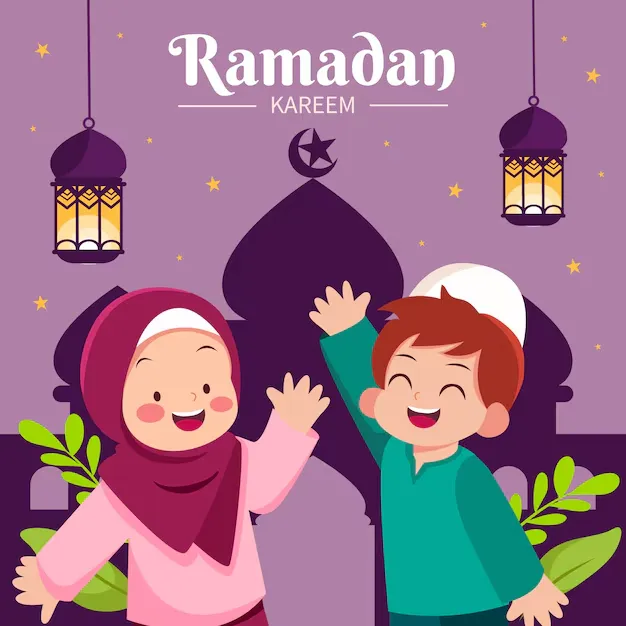
 Ramadan is a special time for many Muslim families. In early childhood and school-age programs, we can learn about Ramadan in a way that is kind, simple, and respectful—without asking children to “act it out” or do anything that does not fit their family’s beliefs. One goal matters most: help every child feel safe and included.
What is Ramadan, and how can I explain it in kid-friendly words?
You can keep your explanation short and gentle:
-
“Ramadan is a special month for many Muslim families.”
-
“It can be a time for prayer, reflection, and helping others.”
-
“Some people fast (they do not eat or drink) during the day, but children do not have to fast.”
-
“A lot of families focus on kindness and giving.”
If children ask, “Do we have to do Ramadan?” you can say:
-
“No. We are learning about different families and traditions. In our class, everyone belongs.”
#Inclusion #Belonging #EarlyChildhoodEducation
How do I teach about Ramadan in an inclusive and respectful way?
These tips help you avoid common mistakes and keep learning welcoming for all:
-
Don’t run a “fasting challenge.” This can be unsafe and confusing for young children.
-
Don’t ask one child to “teach” Ramadan to the class. Children should not carry that pressure.
-
Use “some families” language. Example: “Some families eat special meals after sunset.”
-
Invite families—but keep it optional. Some families love to share. Some prefer privacy.
-
Focus on shared values: kindness, helping others, gratitude, and community.
Also remember: Ramadan dates can change from year to year, and some families may start on different days. It’s okay to say, “Families may celebrate a little differently.”
What are simple Ramadan classroom activities for infants and young toddlers?
For infants and young toddlers, keep activities sensory, calm, and short. They do not need “lessons.” They need warm relationships and gentle experiences.
Try these ideas:
-
Moon and star sensory play (supervised): soft star shapes, shiny paper, dark-blue fabric, or a sensory bottle with star confetti.
-
Soft light exploration: battery tea lights under a clear bin (always supervised) to explore light and glow.
-
Kindness routines: extra “helping hands” moments—hand a friend a toy, bring a book to a teacher, or pat a doll gently.
-
Simple picture walk: board books with families, nighttime skies, or calming bedtime scenes.
Keep language simple:
-
“Star.”
-
“Moon.”
-
“Kind hands.”
-
“Helping.”
What Ramadan activities work well for toddlers?
Toddlers love repetition, movement, and pretend play.
Easy toddler-friendly activities:
-
Star and moon art: stamp stars with sponge shapes or make crescent moons with paper plates.
-
“Good deeds” picture chart: show photos of simple helping actions toddlers can do:
-
Put toys in a bin
-
Throw trash away
-
Give a friend a tissue
-
-
Gentle music and movement: a slow “night sky” dance with scarves.
-
Dramatic play “family dinner” (no food needed): set out plates, cups, and pretend food. Talk about “families eating together.”
Tip: If toddlers ask about fasting, keep it short:
-
“Some grown-ups choose not to eat during the day. We eat when our bodies need food.”
What are meaningful Ramadan activities for preschool?
Preschoolers can begin to understand big ideas like kindness, gratitude, and community.
Try these classroom favorites:
-
Kindness countdown chain: Each day, add one paper link with a class kindness goal:
-
“Invite someone to play”
-
“Use kind words”
-
“Help clean up”
-
-
Ramadan calendar (simple): Add a sticker each day you do a kindness act or read a story about helping.
-
Crescent moon lantern craft: Use paper, glue, and child-safe decorations. (No candles—use paper “light” or a pretend lantern.)
-
Gratitude jar: Children draw something they feel thankful for and add it to a jar.
Want a ready-made set of ideas organized by age? This ChildCareEd resource is designed for classroom use:
https://www.childcareed.com/r-00790-ramadan-classroom-activities.html Buy Now $0.00
What Ramadan classroom activities work best for school-age children?
School-age children can do deeper discussions, short research with teacher support, and projects focused on service.
Ideas that work well:
-
“Kindness in Action” project: Choose one class goal for the week:
-
Make thank-you notes for helpers
-
Create a “compliment wall”
-
Collect gently used books (if your program allows)
-
-
Moon observation journal: Look at the moon for a few minutes (or use photos). Draw what you see and write one sentence:
-
“The moon looks like a ___ today.”
-
-
Story + reflection: Read a kid-friendly story about generosity or empathy. Then ask:
-
“How can we help others?”
-
“What does respect look like?”
-
-
Community map: Make a map of “helpers” in your community (families, teachers, neighbors, nurses, firefighters, etc.).
If you’d like more Ramadan ideas written specifically for early childhood and school-age, this related ChildCareEd article is a great companion:
Ramadan Activities for Kids: Classroom Ideas for Preschool Through School Age
How can I include families during Ramadan without making anyone uncomfortable?
A respectful family message can make a big difference. Keep it optional and easy.
You can ask families (optional):
-
Would you like to share a book title, family photo, or a simple tradition?
-
Is there a word you would like us to learn (like a greeting)?
-
Are there any topics you want us to avoid?
Helpful reminders:
-
Never pressure families to send food.
-
Be aware of allergies and dietary needs.
-
Use flexible language like “caregivers” and “grown-ups.”
A simple note you can send:
-
“We will be learning about Ramadan in a respectful way. If your family would like to share something, we would love it. Sharing is always optional.”
What trainings can help me teach Ramadan (and other traditions) with confidence?
If you want more support on inclusion and culturally responsive teaching, these ChildCareEd trainings connect directly to respectful holiday learning and family belonging:

These courses can help you choose respectful materials, talk with families kindly, and build a classroom where every child feels seen.
Where can I find more ideas and follow ChildCareEd for updates?
For more classroom tips, seasonal activities, and training updates, follow ChildCareEd on Facebook
Go give the page a follow so you can save new ideas as they’re posted! #TeacherTips #ClassroomActivities
- Professional Presence in Early Childhood
- Hidden in Plain Sight: Depression in Young Children
- CDA Family Child Care Credential with Portfolio Review
- Open Ears: Listening in Child Care
- CDA Bridge Bundle: Family Child Care
- Potty Training Made Simple
- Early Childhood Education
- CDA: Communication: Keep It Simple
- Creating Environments that Nurture Growth and Community
- Supporting Families and Caregivers in Language and Literacy
- Celebrating Diverse Cultures: Upcoming Holidays from Around the World
- DIY Snow Globes: The Fine Motor Craft That’ll Keep Kids (and Adults) Busy for Hours
- Pizza or Kale Chips? Kid-Friendly Nutrition Tips to Start the Year Right
- Ramadan Stories and Activities for Cultural Awareness
- Ramadan Activities for Kids: Classroom Ideas for Preschool Through School Age
- Ramadan Made Simple: Classroom Activities Kids Will Enjoy
- ¿Cuáles son las mejores actividades del Día de la Tierra para niños en casa o en el aula?
- ¿Cómo puedo usar escenarios de juego de roles de primeros auxilios en mi aula?
- ¿Cómo puedo enseñar habilidades de primeros auxilios con escenarios de juego de roles?
- ¿Cómo afecta la dopamina a los niños: señales, efectos e influencias diarias?
- Actividades de Motricidad Gruesa que Desarrollan el Equilibrio, la Coordinación y la Fuerza
- Actividades de Fiesta para Niños de Preescolar y Primaria
- Proporciones de Cuidado Infantil y Tamaños de Grupo por Edad en Maryland (Guía Rápida para Centros y Hogares)
- Mother’s Day Classroom Ideas Families Will Love
- Mother’s Day Gifts and Crafts Children Can Make
- Calabazas, hojas y manzanas: actividades de otoño para preescolares
- Celebrando la amistad en el cuidado infantil durante el Día de los Mejores Amigos
- Cómo simplificar la capacitación para sus empleados de daycare
- How Can Child Care Programs Best Support Families Observing Ramadan?
