Introduction
Biting is one of the hardest behaviors to see in a classroom. Many child care providers wonder: is it normal, and how do we stop it without shaming the child? This article explains simple, practical steps that work. It is written for directors and providers and uses research and useful ChildCareEd guidance.
Why it matters:
1) A bite can hurt a child and scare families. 2) How staff respond teaches children new skills. When we act with calm limits and clear teaching, children learn safer ways to share feelings and play. For quick background on common causes see Biting in Child Care: Causes, Prevention, and Provider Strategies.
Quick reminder: state requirements vary - check your state licensing agency. 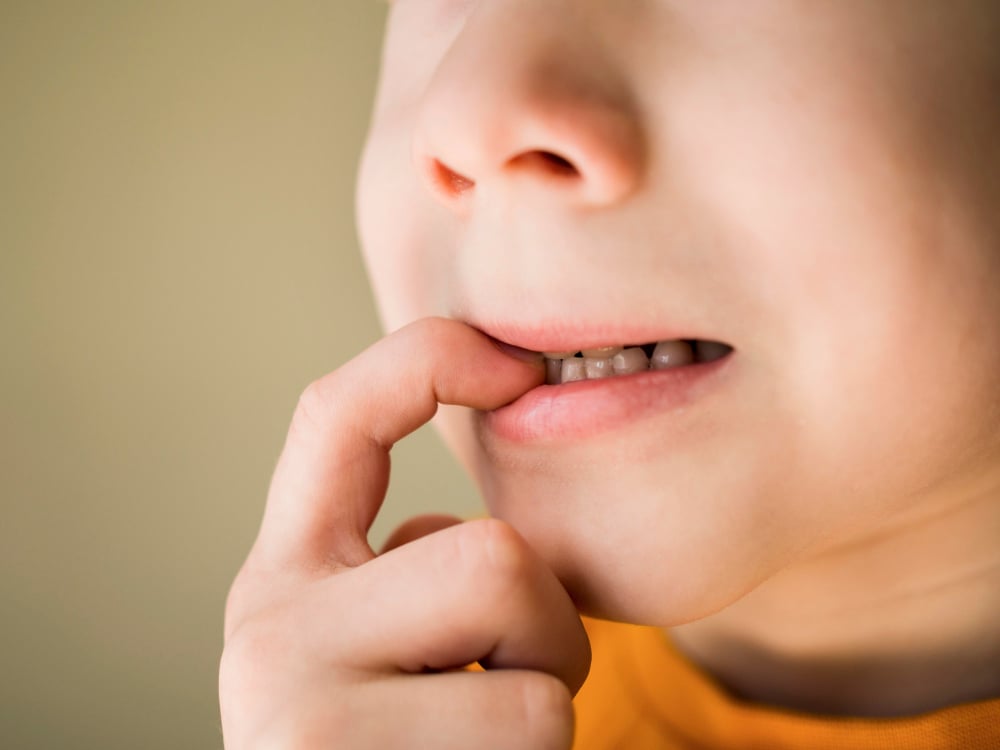
Why do toddlers bite?
Toddlers bite for many normal reasons. Use careful observation to find the cause. Common reasons are:
- Exploration and teething — mouths are how young children learn and soothe sore gums. See Why kids bite (and what to do about it) for teething ideas.
- Communication limits — when words are missing, a child may bite to say “mine” or “stop.” This is a #communication problem, not a moral failing.
- Big feelings — frustration, excitement, or overstimulation can trigger a bite. The Montessori approach notes that observation and environment changes help a lot; see Montessori Approaches.
- Attention, imitation, or sensory seeking — some children learn biting gets a strong reaction, or they need oral input.
Tip: Track when bites happen (what, where, who, time). Patterns help you choose which strategy will work best.
What should we do right when a bite happens?
When a bite happens, safety and calm are the top priorities. Follow these short steps immediately:
- 🩹 Comfort the hurt child first. Clean the area and stay calm.
- 🗣️ Use a firm, short talk with the biter: “Biting hurts. We don’t bite.” Keep it one or two sentences.
- 👂 Support feelings: “You are angry. You can say ‘Stop’ or ask for help.”
- 📄 Document facts for your records and tell families using neutral language (no naming other children when talking to families).
Common mistakes to avoid:
- ❌ Yelling or shaming the child. This makes the child more upset and hides the skill they need to learn.
- ❌ Overly long lectures to toddlers. Short messages work better in the moment.
- ❌ Ignoring wounds or skipping health procedures. Follow your health and safety steps when skin breaks.
For step-by-step wording and incident communication tips see Why kids bite and How can I talk to parents. #safety
How can we prevent biting in the classroom?
Prevention is the most powerful approach. Use these practical, numbered strategies your team can try right away:
- 🔍 Observe and record patterns (when, where, who). Use simple ABC (Antecedent-Behavior-Consequence) notes to spot triggers — this is covered in Biting in Child Care.
- 🧩 Change the environment: add duplicate popular toys, create clear play areas, lower crowding at hot spots (blocks, water table).
- 🗣️ Teach replacement skills: short scripts like “My turn,” “Stop,” or asking a teacher for help. Practice these in role-play and routines.
- 🦷 Offer safe oral options: teething rings, cold washcloths, or age-appropriate crunchy snacks if permitted. For sensory seekers see practical tips at Practical Classroom Tips for Chewers.
- 👀 Increase active supervision at known times. Place an adult near the area and use proximity to redirect before a bite happens.
- 🤝 Use team plans and consistent language across staff and families so the child hears the same short messages everywhere.
When prevention is not enough, consider a Positive Behavior Support plan with your team. CSEFEL explains how to build individualized supports; see CSEFEL What Works Brief. #prevention
How do we involve families and when should we get extra help?
Families are partners. Clear, kind communication builds trust and consistency. Use these steps:
- 📋 Share facts, not blame: time, place, what you did, and how both children were cared for. Keep it short: “Today at 10:15, your child bit during block play. We comforted the other child and helped your child use words.” See tips at How can I talk to parents.
- 🤝 Make a simple team plan: agree on 2–3 prevention steps, one replacement skill to teach, and a check-in date (3–7 days).
- 📈 Track progress and share updates. Families want to know there is a plan and follow-up.
- 👥 Get extra help when: biting is frequent, severe, continues past age 3–4, causes repeated injury, or doesn’t improve with consistent team strategies. Bring in your director, a mental health consultant, or suggest a pediatric referral. The Positive Behavior Support process helps teams build a plan; see PBS guidance.
Remember: state requirements vary - check your state licensing agency. Work with families in a strengths-based, non-blaming way. When staff and families share short, consistent messages, children learn alternatives faster. #communication
Conclusion
Biting is usually a phase. With calm safety steps in the moment, team-based prevention, clear teaching of words and alternatives, and kind family partnership, most children outgrow it. Use observation, simple scripts, safe oral options, and consistent responses across staff and families. For practical training and resources, ChildCareEd has courses and free materials like Ouch! Biting & Hitting Hurts resources and helpful articles throughout their site.
Keep practicing short, consistent language, track patterns, and reach out for extra support when needed. You are not alone and small changes make a big difference.
- 45 Hour Child Growth and Development
- 45 Hour Preschool Methods and Materials
- 45 Hour Infant and Toddler Methods and Materials
- CDA Bridge Bundle: Preschool
- Ouch! Biting & Hitting Hurts
- 45 Hour School Age Methods and Materials
- CDA Bridge Bundle: Family Child Care
- CDA Bridge Bundle: Infant/Toddler
- CDA Infants/Toddlers: Individualized Learning and Inclusion
- Texas Director Credential
- 👧 ¿Cómo iniciar y abrir una guardería en Texas? Lo que necesitas saber
- Qué capacitación se requiere para ser director de cuidado infantil en Texas?
- Recursos en Español sobre el Sueño Seguro del Bebé
- Que es Título 22 en California?
- Capacitación en Salud y Seguridad Preventiva en Línea para Proveedores de Cuidado Infantil
- Lista para Guardería en Casa en Illinois: Cómo Iniciar una Guardería en el Hogar
- Lista para Guardería en Casa en Texas: Cómo Iniciar una Guardería en el Hogar
- Cómo Ser Maestra de Preescolar en Dakota del Norte
- Capacitación Previa al Servicio para Proveedores de Cuidado Infantil en Dakota del Norte
- How can Washington, D.C. child care providers keep children safe during transitions, drop-off, and pick-up?
- Positive Ways to Respond When Children Bite
- Biting Behavior in Early Childhood: Causes and Solutions
- How Can North Dakota Providers Respond to Toddler Biting Without Shaming?
- Cómo simplificar la capacitación para sus empleados de daycare
- How can I make infant and toddler lesson plans that really work?
- How should Michigan child care providers manage toddler biting incidents?
- How can child care programs support toddlers through biting and hitting phases?
- Why Do Toddlers Bite and How Should Child Care Providers Respond?
- How Can Providers Handle Biting in the Toddler Classroom?
- Why Do Toddlers Bite, and How Should Child Care Providers Respond?
