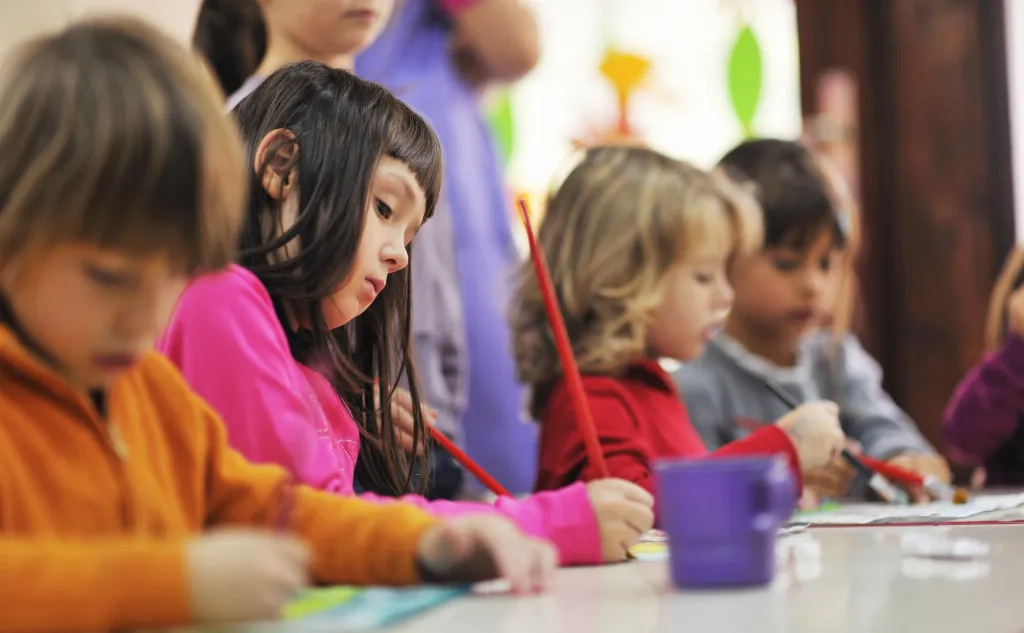
 This short guide gives busy child care leaders and teachers simple ideas that work. You will see easy steps for #routines #visuals #behavior #centers #families that you can try this week.
For more tips and printable tools, start with Effective Classroom Management Strategies for Preschool Teachers and related ChildCareEd articles. Also see Preschool Classroom Management: Tips for Success! for step-by-step routines, sample scripts, and positive behavior strategies you can use this week.
1) Why does classroom management matter?
Good classroom management helps children feel safe and ready to learn. When the day is predictable, children follow directions more, play more kindly, and you spend less time fixing problems. Here are three clear reasons it matters:
- Children feel safe and calm. Predictability lowers anxiety and makes learning easier. See ChildCareEd's ideas on routines and transitions: How can preschool teachers use simple classroom management techniques.
- Teachers teach more and manage less. When routines work, teachers have more time for teaching and relationship-building.
- Families see progress. Consistent practices help families support learning at home.
Why this matters: calm classrooms improve learning, reduce staff stress, and build better relationships with children and families. Also, state requirements vary - check your state licensing agency.
2) What simple strategies can I use every day?
Use these short, repeatable steps each day. They are easy to teach to staff and substitutes.
- 😊 Greet each child by name. A warm start builds trust and reduces drop-off fuss.
- 🔔 Post a visual schedule at child eye level and teach it. ChildCareEd has printable visuals you can use: How can visual schedules help.
- 🧭 Teach 3 short rules (3–5 max). Keep words simple: e.g., “Walking feet,” “Kind hands.” Model, practice, praise.
- ⏱️ Use cues for transitions: a song, a bell, or a 2-minute warning. Practice the change every day so it becomes routine. See CSEFEL tips on transitions: CSEFEL What Works Brief #4.
- 🧸 Create a calm corner (peace corner) with tools to help self-regulate. A calm space helps children return to learning faster. For set-up ideas see peace corner tips like Setting Up a Peace Corner.
Keep language short, repeat often, and involve children in practice. Try one change this week and build from there.
3) How can room design and routines prevent behavior problems?
Small room changes can make a big difference. Arrange the space so children can make good choices without constant adult direction.
- 📚 Define clear centers (blocks, art, books, sensory). Label with pictures so children know where materials belong. ChildCareEd shows sample room plans and center ideas: Classroom-tested strategies.
- 📏 Keep traffic lanes wide and remove long runways so children don't dash across the room.
- 🧰 Duplicate favorite materials in more than one center to reduce fights over toys.
- 🔁 Use simple rotation systems: timers, helper charts, or color groups so transitions are predictable and fair.
- 🛋️ Make a cozy quiet area with soft lighting and a feelings chart for self-regulation.
Plan for the group's energy: mix movement and quiet times. Observe for "hot spots" where conflicts repeat and change the layout or limit group size there. For how classroom quality supports learning, see Does Classroom Quality Promote Preschoolers’ Learning? Buy Now $0.00.
4) How do I guide challenging behavior and partner with families?
Handle behavior with respect and a plan. Use teaching, not punishment. Follow these steps:
- 🔎 Observe and note patterns (when, where, who). Simple data tells you the cause.
- 🗣️ Use calm short scripts: name the rule, show the action, offer a choice.
- 🔁 Try time-in (brief coaching) instead of long time-outs. Build the child's skills for asking, sharing, or calming down. See positive guidance practices on ChildCareEd: How Can Positive Guidance Improve Classroom Management.
- 🤝 Team with families: share positives daily and one concern with a plan. ChildCareEd recommends short notes or photos to keep families involved: Classroom-tested strategies.
- 📞 If behavior is intense or ongoing, consult specialists (mental health, special ed). Positive Behavior Support (PBS) and Pyramid Model tools can help; see resources like NCPMI Resource Library and Florida PBIS guidance: Florida PBIS Project.
Common mistakes and how to avoid them:
- 🚫 Too many rules — keep 3–5 and teach them.
- 🚫 Posting rules but not teaching them — practice with role play and visuals.
- 🚫 Inconsistent adult responses — agree on scripts and rehearse with staff. Consider training like Classroom Management is Collaboration!
 Buy Now $16.00.
Conclusion — What can you try this week?
Try these three small actions and see big results:
- 👏 Pick one short rule and teach it with modeling and praise.
- 📌 Post a simple visual schedule and use a 2-minute warning for transitions.
- ✉️ Send one positive note or photo to a family by Friday.
State requirements vary - check your state licensing agency. For more tools and printable posters, visit ChildCareEd training and resources linked above. You are doing important work—small steady steps will make your classroom calmer and kinder.
FAQ
- Q: How many pictures for a schedule? A: 6–8 main parts of the day for preschoolers. See Visual Schedules.
- Q: What if one child needs extra help? A: Use an individual plan, involve family and consultants, and try self-management charts from CSEFEL: CSEFEL Self-Management.
- Q: When to call for outside help? A: If behavior is intense, persistent, or prevents learning, get extra support early (PBS or mental health consultants).
- Q: How do I keep my calm? A: Use scripts, take short breaks, and lean on your team for support.
- 45 Hour Child Growth and Development
- CDA Preschool Credential with Portfolio Review
- Hidden in Plain Sight: Depression in Young Children
- 45 Hour Preschool Methods and Materials
- Birth to Five CDA Credential with Portfolio Review
- Potty Training Made Simple
- Texas Director Credential
- 45 Hours Director-Administration ONLINE
- CDA: Communication: Keep It Simple
- Super Special School Agers
- Classroom Management
- Going Head-to-Head with Challenging Behavior
- CDA Certification en Español: Recursos y Consejos para Educadores Bilingües
- Ejemplos de Crianza Respetuosa vs. Crianza Permisiva
- Por Qué la Supervisión Activa Es Clave para la Seguridad en el Cuidado Infantil
- Retraso del Habla en la Guardería: Cómo Pueden Ayudar los Proveedores
- Cómo Ser Maestra de Preescolar en Dakota del Norte
- Cómo Ser Maestra de Preescolar en Wisconsin
- Cómo Ser Maestra de Preescolar en Maryland
- How can preschool teachers use simple classroom management techniques that really work?
- How can I organize an effective preschool classroom?
- Classroom Management in Preschool: Simple Strategies That Work
- Managing an Early Childhood Classroom with Confidence
- How can DC early childhood educators use simple classroom management tips in busy preschool rooms?
- How can ChildCareEd's behavior management courses help Minnesota childcare providers handle challenging situations without outside support?
- What should preschool teacher training cover and how do we deliver it well?
- Why Do Classroom Management Strategies Fail With 3-Year-Olds—and What Works Instead?
