Introduction
Wondering what a 1-year-old should be doing? This short guide helps child care providers and directors spot common #milestones and easy #activities you can use every day. We use simple ideas you can try in your room and link to helpful resources like ChildCareEd's 1-year milestone checklist Buy Now $0.00 and the CDC's 1-year tips. Your role matters: warm care and small daily games help a child build skills fast. Remember: state requirements vary - check your state licensing agency.
Why it matters: Early months set a strong base for learning. When providers watch and use simple play, they help a child’s brain and feelings. This keeps families confident and helps catch problems early, so children get the right help.
What milestones should a 1-year-old reach?
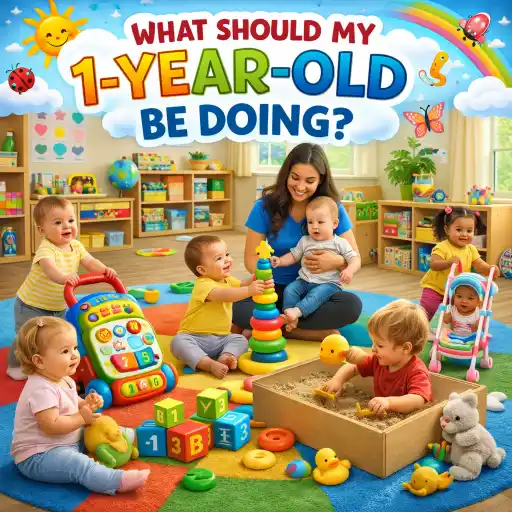
Most babies can do many things by their first birthday. Use a checklist like ChildCareEd's milestone PDF Buy Now $0.00 or the CDC's online checklist at CDC 1 Year Online Milestone Checklist to track skills. Common areas to watch:
- Motor (moving):
- Pulls to stand and may take steps alone.
- Can sit up and pick up small things with thumb and finger.
- Language (talking):
- Uses gestures like waving, says “mama” or “dada,” and tries simple words (Nemours explains typical language steps).
- Social and Emotional:
- Shows favorite people and plays simple games like peek-a-boo.
- Cognitive (thinking):
- Finds hidden toys, bangs things together, and copies actions.
Tip: Share observations with families and put notes in your daily report. For printable lists that match these points, see ChildCareEd's milestone article and the CDC checklist.
What simple activities help these skills each day?
Use quick, repeatable play to build skills. Here are easy activities you can add to your routine. They suit group care and one-on-one time.
- Sensor and Touch Play
- 😀 Give safe items with different textures (soft scarf, wooden spoon). Try ideas from ChildCareEd's sensory play.
- Language Time
- 📚 Read a picture book, point and name things, and pause for the child to look or vocalize. Repeat words like “ball” or “cup.”
- Movement and Balance
- 🧸 Offer push toys, boxes to push, and safe furniture to cruise along. Let the child try the steps while you hold hands.
- Problem Solving
- Put large toys in a box with a hole and let the child drop them in and pull them out. Use Cause/Effect play to teach thinking.
- Daily Routine as Learning
- 🧴 Use mealtime and diaper changes to name body parts, sing, and give chances to try a cup or spoon.
Use a simple weekly plan like the ChildCareEd lesson plan template Buy Now $0.00. Keep activities short and repeat often — toddlers learn by doing the same thing many times. For more play-and-brain ideas see How Play Supports Brain Development.
When should I be concerned and refer for help?
Some signs mean a child may need extra support. If you see these, talk with the family and child’s doctor and consider a referral. You can follow red-flag guidance from Help Me Grow and the CDC.
- Not babbling, pointing, or using gestures by 12 months.
- No single words by about 16 months, or loss of skills at any age.
- Doesn’t crawl or stand when expected, or has trouble using hands.
- Poor eye contact, little interest in people, or unusual reactions to sound or touch.
Steps to take:
- Document what you see and share examples with the family.
- Suggest the family talk to their pediatrician and ask about developmental screening (AAP and CDC support screening at key ages).
- Refer to early intervention services. For state-specific access see CDC Find EI — and remember: state requirements vary - check your state licensing agency.
How can I plan daily routines and avoid common mistakes?
Good routines help children feel safe and learn. Use these steps to plan and avoid common pitfalls.
- Make a weekly plan
- Use a template like the ChildCareEd lesson plan template Buy Now $0.00. Pick 2–3 learning goals per week (movement, words, social play).
- Set short busy blocks
- Keep activities 5–15 minutes. Rotate materials so babies are not overwhelmed but get repeats.
- Observe and note
- 📝 Write what each child does. Share wins and concerns with families and use notes for next week's plan.
- Common mistakes and how to avoid them
- ❌ Mistake: Too many toys at once — can overwhelm. Fix: Offer 2–4 items and rotate.
- ❌ Mistake: Long stretches without adult talk. Fix: Narrate routines and sing during care.
- ❌ Mistake: Waiting too long to act on concerns. Fix: Use checklists and refer early; early help works best.
Training helps staff use these ideas. ChildCareEd offers courses like the 45-hour infant/toddler curriculum  Buy Now
 $399.00$275.00 and CDA supports. Small changes — more talk, short play, clear notes — make big differences for #development in the first year.
Conclusion
Watching, playing, and sharing notes with families are the best tools you have. Use checklists (see ChildCareEd Buy Now $0.00 and the CDC) and simple, safe activities (see ChildCareEd sensory ideas). If you see red flags, act early and refer so children can get help faster. state requirements vary - check your state licensing agency.
FAQ (quick)
- Q: When should I refer? A: If a child misses several milestones or loses skills, refer now; don’t wait.
- Q: How long are activities? A: 5–15 minutes for 1-year-olds; repeat often.
- Q: Screen time? A: Not recommended for under 2 except for video calls.
- Q: Where to find forms? A: See ChildCareEd milestone and lesson plan templates on their site.
Helpful links: ChildCareEd checklist Buy Now $0.00, CDC milestones, Help Me Grow referral guide.
Key words: #milestones #oneyear #development #activities #toddlers
- 45 Hour Pre-School and Child Growth and Development Training to be a Preschool Teacher in a Daycare
- Child Development Associate Certification
- Texas Director Credential Application
- Why Every Caregiver Needs Adult, Child, and Infant CPR Training
- How Old Do You Have to Be to Work at a Daycare?
- Child Care Licensing in Texas: What You Need to Know to Stay Compliant
- Child Care Licensing in Texas: Requirements, Updates, and Compliance Tips
- CDA Certification in Florida: Your Step-by-Step Guide
- 👶 What Child-to-Staff Ratios and Group Sizes Are Required in North Dakota Childcare? 🏫
- Typical vs. Atypical Child Development: What Every Child Care Provider Should Know
- Nevada Child Care Ratios and Group Sizes by Age (Center + Home Quick Guide)
- How Should North Dakota Childcare Programs Handle Medical Emergencies?
- How to Become a Child Care Director in Texas
- Daycare Jobs in Illinois: How Old Do You Have to Be?
- Daycare Jobs in Wisconsin: How Old Do You Have to Be?
- How Can North Dakota Family Childcare Providers Meet Health and Safety Training Requirements Online?
- Celebrando la amistad en el cuidado infantil durante el Día de los Mejores Amigos
- How Can North Dakota Providers Best Prepare for a Licensing Visit?
- Nevada Child Care Ratios and Group Sizes by Age: Home Daycare Guide
- Washington Child Care Ratios and Group Sizes by Age: Home Daycare Guide
