As a fellow child care provider, you watch children every day. At 3 years old, children often reach big steps in how they speak, move, think, and play. This short guide helps you spot key signs, track progress, and act kindly if a child needs more support. Use these ideas with families and your team. Remember: state requirements vary - check your state licensing agency.
Why do milestones matter for my program?
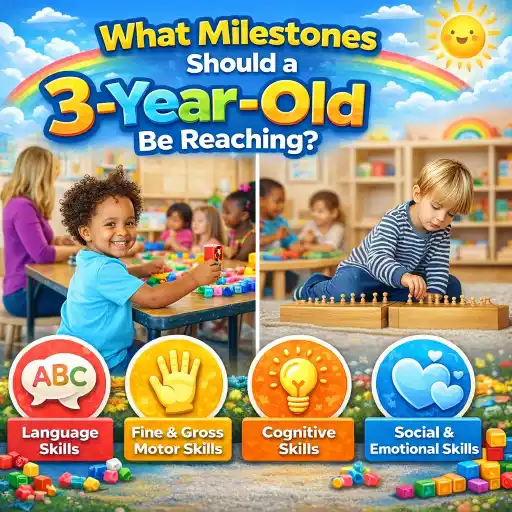
1) Milestones give a simple way to notice growth. When you know what most 3-year-olds can do, you can plan activities that match their skills and stretch them just enough. See helpful checklists like Developmental Milestones of Children Ages 1-3 from ChildCareEd and the CDC 3-year milestones for clear examples.
2) Early noticing helps children get help sooner. When providers share simple notes with families, children who need support are more likely to get them. The American Academy of Family Physicians explains why screening and early action matter; see their guidance here.
3) Milestones guide partnerships. Use observations to start kind, fact-based talks with families. Lead with strengths, then share what you see and offer next steps like screening or a referral. ChildCareEd has practical ideas in What preschool milestones (ages 3–5) should I watch for in my program?.
Why it matters: When providers notice and act, children get help sooner, learn better, and families feel supported. Tracking milestones is not about labeling — it’s about giving each child what they need to grow.
What concrete milestones do most 3-year-olds reach?
- Language & Communication
- Speaks in short conversations and uses 3- to 4-word sentences.
- Asks who/what/where/why questions, and most people can understand them.
- Names, colors, parts of a picture, or actions when asked.
- Social & Emotional
- Joins other children in play and begins turn-taking.
- Shows a wide range of feelings and calms faster after being upset.
- Cognitive (Thinking)
- Matches, sorts, and can do simple puzzles (3–4 pieces).
- Uses pretend play and notices cause and effect.
- Motor & Self-Help
- Runs, climbs, jumps with both feet, pedals a trike, and draws a circle when shown.
- Feeds self with a fork, helps dress, and may toilet during the day.
These highlight language, #milestones, #development, #social, and #motor skills you can notice in your group. Use them as a guide, not a pass/fail list. If you want a printable checklist, ChildCareEd offers a free 3-year checklist Buy Now $0.00 and the CDC has an app, the Milestone Tracker, that families and providers can use together.
How can I observe and track these milestones in my classroom?
Good tracking is simple and fits your day. Try this 4-step routine many providers call “Milestone Monday,” or use the CDC app. For practice ideas, see ChildCareEd’s observation tips in What preschool milestones….
- Pick one skill per child each week (rotate domains: language, motor, social, cognitive).
- 😊 Take quick notes: date, what you saw, where, and who else was present. Short and factual works best.
- 📝 Use a checklist or app to compare what you saw to typical items (see CDC Milestone Tracker and ChildCareEd checklists).
- 🔁 Review monthly: look for patterns and celebrate strengths in messages to families.
Use a mix of notes, photos, or short video clips if your program allows. If you use screening tools, MA Act Early lists common choices like the ASQ and PEDS — see their tool list here. The AAFP article on screening explains why repeated screening helps pick up concerns early (AAFP).
How to share with families: 1) Start with strengths. 2) Show notes or a checklist. 3) Ask what they see at home. 4) Offer next steps if you still worry. Keeping the tone respectful and helpful keeps families engaged.
What should I do if a child isn't meeting milestones?
Act early and be kind. Follow these steps that many programs use.
- Document: note several examples over days or weeks. Keep notes short and specific.
- Talk with the family: share strengths first, then describe concerns with dates and examples.
- Recommend next steps: suggest the child see their doctor for screening and offer to share your notes.
- Refer when needed: if concerns continue, help families contact early intervention (many programs are free). The CDC explains how to act early and find services (CDC).
Common mistakes and how to avoid them:
- 🙊 Waiting too long — fix: review notes monthly and act on patterns.
- 🔎 Relying on one-day — fix: collect a few short observations across settings.
- 📑 Vague notes — fix: use simple checklists or the CDC Milestone Tracker so examples are clear.
FAQ (short):
- Q: When do I suggest screening? A: If you see repeated concerns or loss of skills. The AAP recommends standardized screenings at 9, 18, and 24–30 months; act sooner if concerned.
- Q: Which screening tool is common? A: Many use the ASQ or PEDS; see tool lists at MA Act Early.
- Q: Who pays for evaluations? A: Early intervention is often free. Help families find local contacts — programs vary by state.
- Q: How do I keep families calm? A: Lead with positives, share facts, offer to help with referrals, and remind them you’re on the same team.
Summary: Notice, document, partner with families, and act early when you see repeated concerns. For classroom tools and training, ChildCareEd offers courses like Baby Steps to Milestones Buy Now $35.00 and Milestones: By Leaps & Bounds Buy Now $35.00. Use these resources and the CDC materials to guide your next steps.
- 45 Hour Child Growth and Development
- Tracking Progress, Shaping Futures: Observation & Assessment Skills
- 45 Hour Infant and Toddler Methods and Materials
- Training Guide for Families from Diverse Language and Cultural Backgrounds
- Pediatric RSV First Aid & CPR/AED
- Watch Me Grow: School Age Development
- Texas Director Credential
- 45 hour Growth and Development Birth-age 12 ONLINE
- ¿Cuál es la diferencia entre un certificado CDA y la credencial CDA?
- Retraso del Habla en la Guardería: Cómo Pueden Ayudar los Proveedores
- What to Expect During Your Baby’s First Months
- Baby Development by Week: Signs, Growth, and Red Flags
- How Can Child Care Providers Recognize Signs of Developmental Delays?
- Celebrando la amistad en el cuidado infantil durante el Día de los Mejores Amigos
- What Should Child Care Providers Expect: Developmental Milestones From Birth to Five?
- What fun, practical activities help build fine and gross motor skills in early childhood classrooms?
- How Should Lesson Plans for Infants 0–12 Months Change by Age?
- Hello, Fall! Cozy Activities to Help Babies Explore the Season
- From Tummy Time to First Steps: Free Lesson Plans for Infants 0–12 Months
- 45 Hour Infant and Toddler Certification: Is 45 Hours Enough to Be a Lead Teacher in Maryland?
- How Can Child Care Providers Understand and Support Infant Milestones?
- How Can Child Care Providers Support Infant Development?
- How Can Child Care Providers Plan Infant Activities Around Developmental Milestones?
- How Can Child Care Providers Make Sensory Play for Babies Safe, Simple, and Developmentally Appropriate?
- How Can Child Care Providers Support Infant and Toddler Development?
- What Should a 1-Year-Old Be Learning at Daycare?
- What Speech and Language Milestones Should Child Care Providers Know?
- What Should Child Care Providers Look For in Fine Motor Skills by Age?
