 Dopamine is a brain chemical that helps children feel curious, try new things, and learn from rewards. This short guide for child care providers explains dopamine in simple words, gives classroom tips, and shows how to protect healthy habits. You’ll find links to helpful ChildCareEd resources to use with your team.
What is dopamine and why does it matter for children?
Dopamine is a chemical the brain uses to send messages. It helps a child:
- want to try things
- pay attention
- remember what worked before
Think of dopamine like a gentle thumbs-up in the brain after a child finishes a puzzle, hears praise, or explores outside.
For a clear, staff-friendly explanation, see ChildCareEd: Dopamine in Kids and the short resource Dopamine in Children (PDF) Buy Now $0.00.
How do screens, snacks, and sleep change dopamine and classroom behavior?
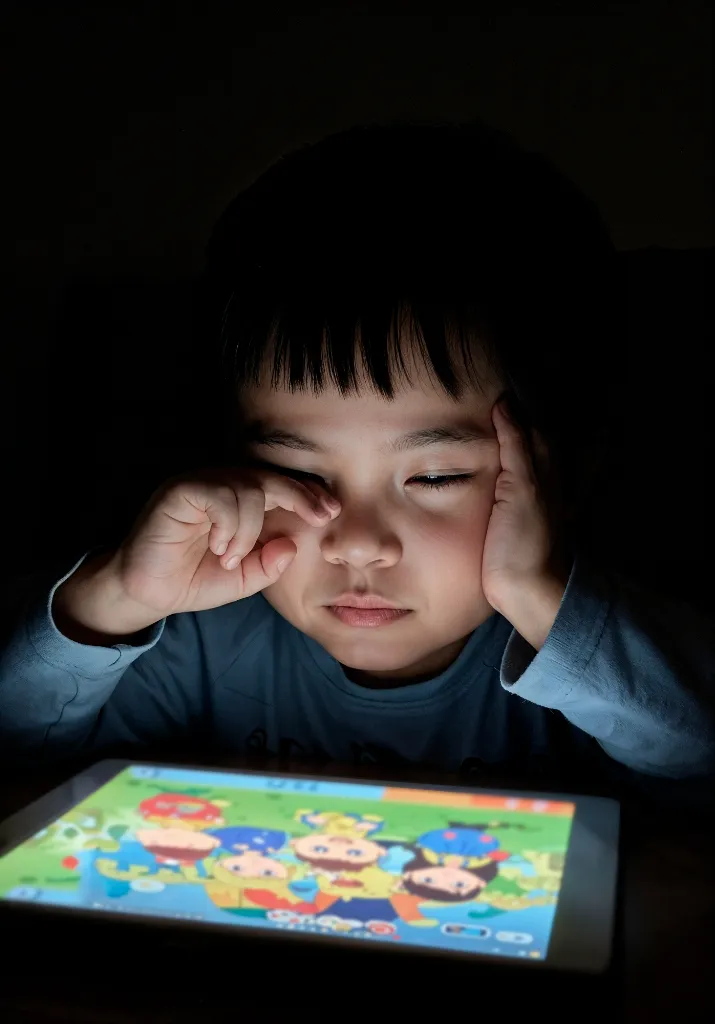
Screens and sugary snacks can give quick, big dopamine spikes. That feels exciting in the moment, but after the spike children can be "revved up" or have a crash. You might see more arguing, harder transitions, or shorter attention spans after intense screen time or sweets.
ChildCareEd explains this as a "roller coaster" effect in Dopamine Drama and in the practical guide Dopamine in Kids.
Look for signs:
- Children are impatient or upset when a screen stops.
- Energy spikes after sugar, then mood or attention drops.
- Harder time switching to quiet group work.
Practical rules you can use:
- Keep screen times short and predictable.
- Plan screens into the day so children know what to expect.
- Pair screens with hands-on play right after (so the learning continues).
For sleep: poor sleep makes self-control and dopamine systems work less well. Keep nap and bedtime routines steady at your center and share family tips like turning off screens before bed.
What daily classroom routines help children keep dopamine healthy?
Healthy dopamine comes from steady habits, not big rewards. Use routines that give children many small wins each day. Try these ideas you can test with your staff team:
🟢 Predictable schedule: use a picture schedule and review it at arrival so children know the day. Predictability lowers stress and helps behavior.
✨ Movement breaks: add 2–5 minute movement before a seated task (jumping, stretches, animal walks). Movement helps reset attention.
🎵 Long, meaningful play blocks: offer extended free play with blocks, pretend play, or art so children get slow, satisfying rewards for finishing projects.
🔁 Warm feedback: notice effort ("You kept trying!") and give specific praise that supports learning without turning into a bribe.
📚 Short teachable transitions: use songs, timers, or a visual to move children calmly from one activity to the next.
Common mistakes and how to avoid them:
❌ Mistake: Using screens as a long reward for good behavior. ✅ Fix: Use screens as brief, planned tools and follow them with play.
❌ Mistake: Relying only on sugary snacks to calm children. ✅ Fix: Offer snacks with protein and whole grains and keep water visible.
❌ Mistake: Surprise transitions without a warning. ✅ Fix: Give a 2-minute and 30-second warning and a clear cue.
Use ChildCareEd resources and training (for example, the transitions course Moving About the Classroom Buy Now $35.00) to help staff practice these routines.
How can teachers support children who struggle with big feelings or attention?
Big feelings and attention concerns often link to how a child’s brain is using dopamine. Your role is to keep the child safe, calm, and connected so they can recover and learn. For children with attention differences, follow evidence-based supports and work with families and health providers. See CDC guidance on ADHD supports for schools and families: CDC: Treatment of ADHD.
Try this simple plan for transitions and tantrums:
- 🟢 Give a warning: "5 more minutes."
- ✨ Use a cue: song, chime, or visual timer so children can predict the change.
- 🎵 Offer a small choice: "Pick up blocks or books first?" Choices help children feel in control.
- 🔁 Praise the first step: "You started cleaning—thank you."
Quick calm tools:
- Calm corner with soft seat and simple fidgets.
- Breathing games like "smell the flower, blow the candle."
- Short helper jobs to reset (carry a sign, wipe a table).
FAQ:
Q: Is dopamine the same as happiness? A: Not exactly. It helps motivate and reward, not just make someone feel good.
Q: Are screens always bad? A: No. Short, planned screens can teach, but too much causes spikes that make transitions hard.
Q: Should I talk to parents about dopamine? A: Yes—share simple tips like turn off screens before bed and try calm bedtime routines.
Q: When should we refer a child for help? A: If attention or big feelings are frequent and interfere with learning, suggest a medical or mental health check. Work with families and follow local rules.
For teams: use ChildCareEd’s Dopamine guide in staff meetings and share wins with families. You can also review mental health resources at ChildCareEd: Mental Health in Early Childhood.
Conclusion
Dopamine is a normal, helpful brain chemical that supports curiosity, #play, and learning. Child care staff can protect healthy #dopamine by using steady routines, short planned screens, smart snacks, movement breaks, and warm feedback.
When children struggle with attention or big feelings, use calm supports, simple choices, and team communication with families and health providers. Start with one change this week—like a movement break before table tasks—and watch transitions and #behavior improve.
- Tomorrow's Einsteins: Infant and Toddler Science
- Pediatric RSV First Aid & CPR/AED
- CDA: Special Needs: Understanding the Whole Child
- CDA Bridge Bundle: Family Child Care without Portfolio Review
- CDA Bridge Bundle: Infant/Toddler without Portfolio Review
- Classroom Setup for Child Care
- CDA Bridge Bundle: Preschool without Portfolio Review
- Creating Environments that Nurture Growth and Community
- No Such Thing as Boring Math
- Supporting Families and Caregivers in Language and Literacy
- Giggles and Learning: How Telling Jokes Can Boost Your Classroom’s Morale!
- When the Sunshine Fades: How to Spot Depression in the Happiest-Looking Kids
- CDA Certification en Español: Recursos y Consejos para Educadores Bilingües
- 🌙 ¿Cómo afecta el tiempo frente a las pantallas el sueño y el comportamiento infantil? 😴
- Qué capacitación se requiere para ser director de cuidado infantil en Texas?
- Requisitos Para Ser Maestra Principal En Un Daycare: Lo Que Necesitas Para Empezar
- Dopamine in Kids: What It Means and How to Support Healthy Habits
- Que es Título 22 en California?
- ¿Qué es la dopamina en los niños?
- ¿Cómo afecta la dopamina a los niños: señales, efectos e influencias diarias?
- ¿Cómo solicito la licencia para una guardería en California?
- Regulaciones de Licenciamiento de Cuidado Infantil en California para Centros y Hogares de Cuidado Infantil Familiar
- Cómo Trabajar en el Cuidado Infantil en California: Requisitos y Pasos
- Cómo Ser Maestra de Preescolar en Wisconsin
- Capacitación Previa al Servicio para Proveedores de Cuidado Infantil en Dakota del Norte
- Dopamine in Children: Rewards, Motivation, and Behavior
- What Is Dopamine? A Simple Explanation for Kids and Parents
- Why Do the Best Kids' Movies Work for Grown-Ups Too?
- How can structure and movement help children with ADHD thrive in your classroom?
- Why do children need more boredom and less constant entertainment?
