Active supervision is a set of simple habits that help staff keep children safe, calm, and learning. This short guide is for child care providers and directors. You will find clear steps, quick checks, and links to tools you can use today — many from ChildCareEd and related resources. Remember: state requirements vary - check your state licensing agency.
Why it matters
Active supervision reduces accidents and helps staff spot teachable moments. When adults watch, listen, move, and join in, children get safer play and better learning. Families trust centers that show steady care. For a quick visual, post the free Active Supervision Poster Buy Now $0.00.
What is active supervision and why does it matter?
- 1. 😊 Safety: staff spot hazards early and act fast.
- 2. 👀 Learning: staff notice moments to teach language and social skills.
- 3. 📣 Trust: families feel reassured when supervision is visible and planned.
Use the six or seven strategy lists from ChildCareEd for daily habits: position, scan and count, listen, anticipate, engage, and set up the space (7 Active Supervision Strategies).
How should I set up the room, yard, and staff so supervision works?
- 👣 Arrange the space: keep shelves low, paths clear, and remove blind spots so adults can see across the room.
- 🧭 Create zones: number or name areas (block corner, art table, outdoor zone) and post a simple map near the door.
- 👥 Assign roles: each adult "owns" a zone for play times and transitions; add a floater to help when needed.
- 🔍 Post tools: hang the Active Supervision Poster Buy Now $0.00 and keep short checklists by exits.
- 📋 Check daily: do a quick walk-through and a 1–2 minute huddle before outdoor play.
These steps reduce surprises and let staff focus on children, not chasing problems. For outdoor layout and yard checks, pair these ideas with CDC outdoor guidance (CDC Outdoor Play and Safety).
How do staff use active supervision during routines, transitions, and outdoor play?
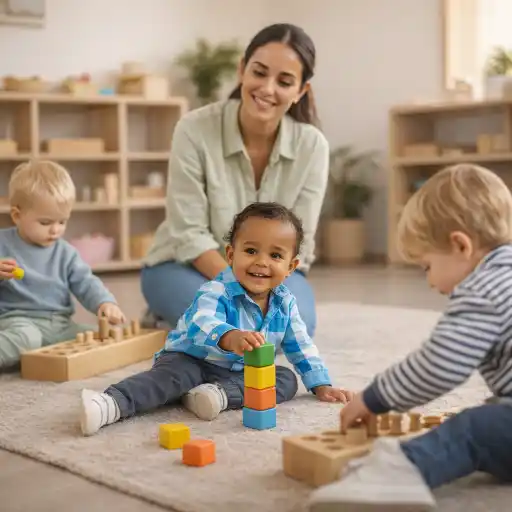
Routines are the trickiest times. Use counting, scanning, and clear handoffs every time. ChildCareEd offers playground and outdoor checklists you can print (Tips for Preschool Classrooms and Outdoor Play).
- 👀 Before moving: do a headcount and quick sweep for hazards.
- 😊 At start: name each adult's zone out loud so everyone hears the plan.
- 🔎 During play: scan left-to-right, near-to-far, and count heads every few minutes.
- 🚨 For water or climbing: keep a distraction-free adult within arm's reach and follow water-safety steps.
- 📣 On transitions: count before leaving, count after arrival, and use a short song or rhythm to keep children together.
Follow CDC safety pages for outdoor and water play advice (CDC Safety, Health, and Injury Prevention and CDC Outdoor Play).
How can leaders train staff, check practice, and avoid common mistakes?
Leaders set the rules and coach with short, kind feedback. Use ChildCareEd trainings like Active Supervision: A Strategy That Works Buy Now $35.00 and Effective Supervision in Child Care Buy Now $25.00.
- 🔁 Teach short practice sessions (30–90 minutes) on scanning, counting, and positioning.
- 👥 Mentor new staff: pair them with experienced staff and use role-play for transitions.
- 👀 Do quick observations: 10–15 minutes, then give "1 praise + 1 tip" feedback.
- 📅 Refresh plans often and after any incident; post updated zone maps and checklists.
Common mistakes and fixes:
- ❌ One adult covering too many zones — ✅ Assign clearer zones or add a floater.
- ❌ Phones or paperwork during supervision — ✅ Set a phone policy and schedule admin time away from play hours.
- ❌ Skipping counts at transitions — ✅ Make counting a required step in your routine.
Quick FAQ
- Q: How often should staff count children? A: At every transition, when moving rooms, and when children go outside or return.
- Q: Can one person supervise outdoors? A: Not for risky areas or large groups — match staffing to state rules and use zones; state requirements vary - check your state licensing agency.
- Q: Where can I get posters and checklists? A: ChildCareEd free resources and the Active Supervision Poster (free resources).
- Q: What if a child keeps wandering? A: Increase proximity, make a simple plan, and involve families when needed.
Use these steps to make #supervision a normal part of every day. Visible planning and kind coaching help your #staff stay calm and keep #children safer. Keep focusing on #safety in every space and on the #playground.
Conclusion
Active supervision is a small set of habits with big benefits. Arrange rooms and yards for clear sightlines, assign zones and roles, scan and count, listen, and join play when needed. Train with short practice sessions, post the Active Supervision Poster, and use checklists from ChildCareEd. These low-effort steps protect children and make work easier for staff. State requirements vary - check your state licensing agency.
Active supervision means adults do more than stand in the room. It includes 1) watching (scan the space), 2) listening (sound gives clues), 3) moving (change position to reach children), and 4) joining (step into play to teach or redirect). ChildCareEd explains this well in What Is Active Supervision and in Active Supervision: The Only Way to Care for Children.Good layout and clear roles make supervision easy. Follow these steps and link to tools on ChildCareEd like Effective Supervision and the free resources page (Staff resources).- 45 Hour Child Growth and Development
- 45 Hour Preschool Methods and Materials
- Mastering Supervision: Keeping Children Safe in All Settings
- 1,2,3, Eyes on Me: Classroom Safety
- Play Safe, Think Big: Literacy Through Play
- Pediatric RSV First Aid & CPR/AED
- 45 Hour School Age Methods and Materials
- Texas Director Credential
- Family Child Care: Building, Premises, and Outdoor Safety
- Recursos en Español sobre el Sueño Seguro del Bebé
- Proporciones de Cuidado Infantil y Tamaños de Grupo por Edad en Virginia (Guía Rápida para Centros y Hogares)
- How can Oklahoma child care programs use daily routines to stay safe and compliant?
- How can child care programs keep playgrounds safe every day?
- Canciones, juegos y preguntas de círculo para niños
- What are the supervision basics for child care in Oklahoma?
- What are the supervision basics for child care in Michigan?
- What are the supervision basics for child care providers in Florida?
- Infant Room Ratios: Safety, Supervision, and Care
- How can child care programs keep playgrounds safe every day?
- How can child care programs keep playgrounds safe every day?
- How can we build a Minnesota summer program that keeps school-agers engaged?
- How can child care programs prevent drowning and keep water play safe?
- How can child care programs create safe climbing and movement experiences for toddlers?
- Which Active Supervision Strategy Should You Use During Transitions, Meals, Naps, and Outdoor Play?
- Active Supervision Examples: 10 Real Classroom Scenarios—Safe or Unsafe?
- How Can You Create a “Yes Space” Where Infants and Toddlers Explore Safely?
- How Can Preschoolers Learn to Make Safer Classroom Decisions?
- How Can Child Care Teachers Encourage Independence Without Sacrificing Safety?
- How Can Child Care Providers Keep Indoor Play Manageable When Rain Lasts All Week?
