Supervision keeps #Florida children safe and helps programs run well. This short guide gives child care directors and providers clear steps, tips, and rules you can use today. It focuses on what Florida requires, how to practice active supervision, and common mistakes to avoid. Remember: state requirements vary - check your state licensing agency.
What rules do we need to follow in Florida?
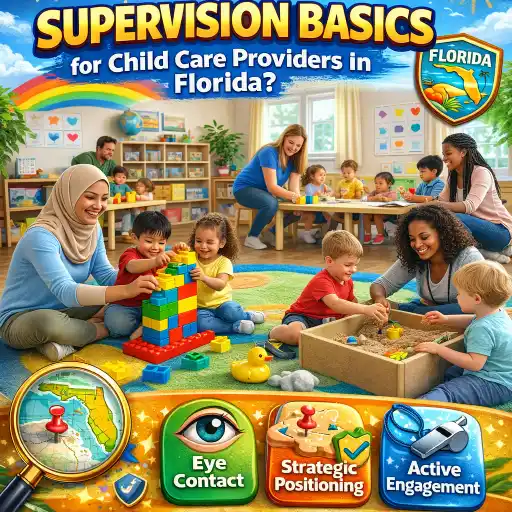
1. Know who sets the rules. In Florida, the Department of Children and Families (DCF) manages most licenses and trainings. See the DCF training portal at My FL Learn to find approved courses and orientation information.
2. Follow nap-time rules for infants. Florida law asks for direct supervision for children under 24 months during naps — staff must be in the same room, not just listening from another room. Read a clear explanation of this standard at Florida Child Injury Lawyer.
3. Keep good records and pass inspections. Keep staff certificates, background checks, and training proof ready. ChildCareEd explains licensing steps and helpful checklists in How to Start a Daycare in Florida.
4. Follow ratios and staffing rules. Ratios change by age and program type. Directors should post ratio charts and plan extra help for transitions like arrival, outdoor play, and bathroom times.
5. Use trusted guidance. For safety and best practices, pair Florida rules with national resources like the CDC Early Care and Education safety page. Always remember: state requirements vary - check your state licensing agency.
What is active supervision and how do we use it every day?
Active supervision means watching, listening, moving, and being close enough to help right away. It is more than being in the room. The steps below make it simple to do every day.
Use these 6 steps every shift:
1. 😊 Positioning: Stand where you can see and reach most children. Put adults near gates, sandboxes, water, and climbing equipment.
2. 👀 Scanning & counting: Look across the room and yard often. Count children at transitions and before leaving a space.
3. 👂 Listening: Pay attention to sudden quiet, yelling, or unusual sounds. Sounds tell you where to check next.
4. 🔍 Anticipating: Know children’s ages and interests so you can expect what they might do next and move closer if needed.
5. 💬 Engaging & redirecting: Join play, give short warnings, and offer safe choices to steer children away from risks.
6. 🧩 Room setup: Arrange furniture and shelves low so staff can see around corners. Remove blind spots and create clear play areas.
ChildCareEd has free tools and trainings about active supervision, such as Active Supervision in the Early Childhood Education Classroom, the Active Supervision Poster Buy Now $0.00, and courses like Safe Supervision in Child Care: Birth to School Age  Buy Now $24.00.
Doing active supervision well helps your #staff notice teachable moments and keep every #child safe while they learn.
How do staff, training, and ratios support safe supervision?
1. Hire and screen carefully. Florida needs background checks for staff and regular screening for household members in home programs. Keep screening papers on file for inspections.
2. Pre-service and ongoing training: Make sure new staff take required pre-service training right away. Florida lists approved training in the DCF portal and ChildCareEd explains pre-service paths in What should Florida child care providers know about pre-service trainings?. For a central list of credentialing options and DCF requirements for directors and staff, see Florida Credentialing Resources.
3. Use short coaching cycles: Directors can do 10–15 minute observations, give 1 praise + 1 small tip, and repeat weekly. This builds skills without long meetings.
4. Plan staffing for busy times: Make a simple list of the top 6 busy moments each day (example below). Then assign extra staff or a floater for those times.
- Arrival
- Bathroom/diaper changes
- Outdoor play
- Nap time
- Meals/snacks
- Transitions between rooms
5. Keep training easy to access: Offer time on the clock for online courses, like ChildCareEd’s short classes Active Supervision: A Strategy That Works Buy Now $35.00 and Effective Supervision in Child Care Buy Now $25.00. Also remind staff to save certificates for records.
6. Post simple tools: Use posters, ratio charts, and a supervision plan so everyone knows who watches which zone. These small systems protect children and support your team.
What common mistakes should we avoid and why does supervision matter?
Common mistakes (and how to avoid them):
1. ❗ One person watching too many zones. Fix: assign clear zones and add a floater at busy times.
2. ❗ Phones and paperwork on the floor. Fix: schedule admin time and keep phones out of sight during active duty.
3. ❗ Relying on baby monitors for infants. Fix: staff must be in the same room for children under 24 months during sleep, per Florida nap rules — not just using a monitor. See Florida Child Injury Lawyer.
4. ❗ Skipping refreshers. Fix: have short monthly refreshers and quick drills. ChildCareEd offers ready resources and posters at Resources - Effective Supervision in Child Care and the Active Supervision Poster Buy Now $0.00.
Why it matters:
1. Safety first: Good supervision prevents injuries and saves lives. When staff are alert and close, they can act fast in an emergency. The CDC lists many safety practices that day cares should follow at CDC Early Care and Education.
2. Better learning: Supervision that includes engagement helps children learn. Staff who watch closely see teachable moments and support growth.
3. Trust: Families trust programs that show clear supervision systems. That trust helps enrollment and community support.
FAQ (quick):
1. Q: How often should staff count children? A: At every transition, before leaving a room, and after moving children to another space.
2. Q: Can one adult supervise outside? A: Only if ratios and sight lines make it safe. Use zones and extra staff near water or climbing equipment.
3. Q: Where to get quick training? A: ChildCareEd and the Florida DCF portal My FL Learn.
Use these steps to build simple systems. Small changes — like a posted zone chart, a short coaching note, or one extra adult at pickup — make your program safer and stronger. Keep supporting your #staff to give your #children steady, caring supervision every day.
Conclusion
Supervision basics in Florida blend state rules, active supervision habits, and strong systems. Use the DCF portal for official trainings, save certificates, and practice the six steps of active supervision every day. For more tools, posters, and courses, visit ChildCareEd at ChildCareEd and consider CDC safety guidance at CDC. Remember: state requirements vary - check your state licensing agency. Your work matters — steady supervision keeps kids safe and helps them grow.
- 45 Hour Child Growth and Development
- Positive Attention: Interactions & Supervision of Infants & Toddlers
- Basic Health & Safety and Breastfeeding Awareness
- Administering Basic Health and Safety ONLINE
- Easy Steps to Resume and Interview Success
- Unlocking Support for Florida Childcare
- Texas Director Credential
- Preventative Health and Safety
- Family Child Care: Building, Premises, and Outdoor Safety
- Cómo Abrir Una Quardería En Casa Sin Dinero?
- ¿Cómo empiezo mi certificación CDA en Florida en línea?
- Capacitación en Salud y Seguridad Preventiva en Línea para Proveedores de Cuidado Infantil
- Actividades de Fiesta para Niños de Preescolar y Primaria
- ¿Cómo solicito la licencia para una guardería en California?
- Regulaciones de Licenciamiento de Cuidado Infantil en California para Centros y Hogares de Cuidado Infantil Familiar
- Proporciones de Cuidado Infantil y Tamaños de Grupo por Edad en Maryland (Guía Rápida para Centros y Hogares)
- What should Florida child care providers know about pre-service trainings?
- Lista para Guardería en Casa en Texas: Cómo Iniciar una Guardería en el Hogar
- Capacitación Previa al Servicio para Proveedores de Cuidado Infantil en Dakota del Norte
- Florida DCF 40-Hour Training Requirements
- DCF Training Requirements for Child Care Centers vs. Family Child Care Homes
- How do I become a teacher in Florida and turn my love for children into a career?
- How Can Educators Prepare to Become a Child Care Director in Florida?
- How do I open a day care in Florida?
- What are the supervision basics for child care providers in Florida?
- How can Florida child care centers run a simple, safe first-week staff onboarding plan?
- Why did Florida change 'Family Day Care' to 'Family Child Care' and what does it mean for providers?
- Why Does the 3 PM Safety Gap Make Florida After-School Programs So Important?
- Child Care Facility Rules and Regulations DCF Practice Test: What Should You Study?
