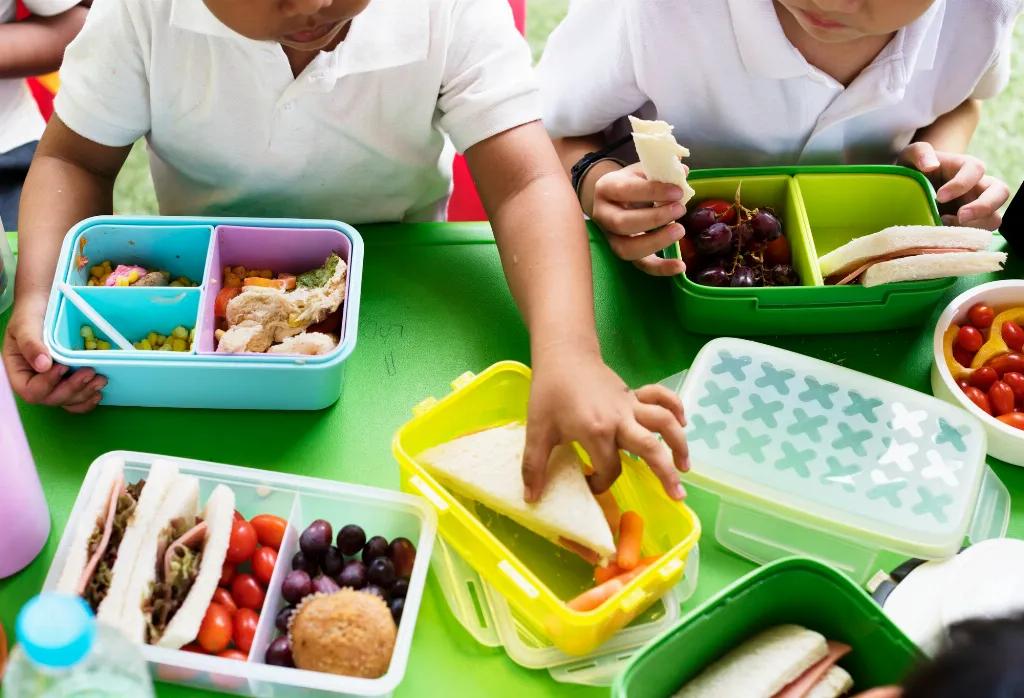
 Snacks in #daycare should be simple, tasty, and #healthy. Good snacks help children learn, play, and grow. These ideas focus on foods kids like and that meet common child care rules. Use this as a quick guide for menu planning, snack prep, and safety. For more ideas and nut-free tips, see Healthy snacks for daycare (nut-free ideas) on ChildCareEd.
What healthy, easy snacks can I serve in daycare?
Use simple combos that include at least two food groups. Here are ready-to-serve options that are classroom-friendly and kid-approved.
- 🍎 Apple slices + sunflower seed butter (or cream cheese). See nut-free lists at ChildCareEd.
- 🥕 Cucumber rounds or carrot sticks + hummus.
- 🧀 Cheese cubes + quartered grapes (cut grapes for younger children).
- 🍌 Banana coins with cinnamon or plain yogurt dip.
- 🍞 Whole-grain crackers + tuna or egg salad (well-mixed and age-appropriate).
- 🥣 Yogurt parfait: yogurt + berries + a sprinkle of nut-free granola.
- 🍕 Mini whole-wheat pita pizzas: pita + tomato sauce + mozzarella (toasted if allowed).
- 🥚 Hard-boiled egg + soft fruit like canned peaches in water.
- 🍚 Rice cakes with cream cheese + sliced strawberries.
- ❄️ Frozen yogurt bark with fruit (serve thawed enough to chew safely).
Tip: Match textures and cut sizes to age and choking rules. For infant/toddler ideas, see ChildCareEd sample menus and baby-safe snack lists at Sample Weekly Menu (Birth to Five) Buy Now $0.00.
How can I plan snacks that fit budget, time, and program rules?
Good planning saves time and money. Use simple systems that staff can follow every day. For practical, budget-minded ideas on healthy snacks and cost-saving substitutions for child care programs, see Providing Healthy and Cost-Effective Snack Options on ChildCareEd.
- 📅 Plan one week at a time with repeated meals. Use a template like the Preschool Weekly Menu Template Buy Now $0.00.
- 🛒 Make a shopping list from your weekly menu. Buy seasonal fruit and frozen veggies for savings.
- 💲 Use CACFP guidelines if you participate. CACFP supports healthy menus and gives reimbursements—start at ChildCareEd: Child Care Food Program Rules and learn how CACFP helps with meal planning.
- 🥣 Prep no-cook options for busy days (string cheese + pear slices, yogurt cups, veggie dippers).
- 🧊 Keep a backup snack bin with shelf-stable items: applesauce cups, whole-grain crackers, milk boxes.
- 📋 Post the weekly menu for staff and families. This helps with substitutions and allergies.
Why CACFP matters: it can help cover food costs and gives clear meal-patterns. For a quick start, review the CACFP help pages on ChildCareEd: Does Your Program Qualify for CACFP? and the overview at Child Care Food Program Rules.
How do I keep snacks safe for children with allergies?
Allergy safety is a top priority. Small steps protect children and reduce staff stress. State guidance differs—state requirements vary - check your state licensing agency. During holidays and classroom celebrations, special-event treats raise additional risks; for practical policies and inclusive celebration ideas, see The Grinch Who Stole Snacks: How to Handle Holiday Food Allergies in Your Classroom.
- 📝 Collect allergy info at enrollment and keep a one-page action plan for each child. See How to handle food allergies in child care for forms and tips.
- 🧼 Use daily routines: wash hands before/after snacks, clean tables, and avoid food sharing.
- 🚫 Avoid cross-contact. Keep allergy-safe foods labeled and use separate utensils and cutting boards when needed.
- 📣 Train staff on recognizing reactions and on emergency steps (epinephrine, 911). ChildCareEd offers allergy training resources linked in their allergy articles.
- 🔍 Read ingredient labels every time. Brands change. Watch for “may contain” warnings.
Common mistakes and how to avoid them:
- 🚫 Not reading labels — fix: assign a staff member to check snacks each delivery.
- 🚫 Allowing food sharing — fix: teach and post a no-sharing rule at snack time.
- 🚫 Mixing food in sensory play — fix: choose non-food materials for sensory bins or get family permission first.
For national guidance, see the CDC’s food allergy resources: CDC: Food Allergies in Schools.
How can snacks support children’s brains and behavior?
Snack choices affect learning and mood. Pick foods with steady energy and brain nutrients.
- 🥑 Include healthy fats and protein: yogurt, cheese, eggs, beans, and avocado help steady energy and attention. ChildCareEd’s brain-food ideas explain how these foods help: Snack Attack: Brain Foods.
- 🫐 Add fruit and veggies: berries, oranges, carrots, and cucumbers add vitamins and fiber.
- 🌾 Choose whole grains: whole-wheat crackers, brown rice cakes, and oatmeal provide longer-lasting energy.
- 💧 Offer water first. Sugary drinks cause energy spikes and crashes.
Practical tips:
- 🕒 Keep regular snack times so children learn hunger cues.
- 👧 Involve children in choosing or prepping snacks to increase try rates. See child-friendly ideas at KidsHealth: Snacks for Preschoolers.
- 🎉 Make healthy snacks feel special: fruit kabobs, rainbow cups, or mini-pitas that children can assemble.
FAQ (quick answers)
- Q: Can I serve nuts? A: Only if your program permits and families agree. Many programs choose nut-free for safety; see ChildCareEd’s nut-free snack guide.
- Q: How often should staff get allergy refreshers? A: At hiring and at least yearly; short drills quarterly help.
- Q: What if a child refuses snacks? A: Offer the choice, keep routines, and try the food again later. Involve families.
- Q: Can we serve homemade treats? A: Check program policy and family permissions; pre-packaged labeled items are safer for allergies.
Summary
1. Pick simple combos that include two food groups. 2. Plan weekly using templates and consider CACFP for support. 3. Make allergy safety a routine. 4. Choose snacks that boost steady energy and brain health. For more sample menus and tools, visit ChildCareEd’s menu and CACFP resources: Menus and CACFP resources and the Sample Weekly Menu Buy Now $0.00.
These small steps make snack time safer, calmer, and more fun for children and staff. Use your strengths—simple routines, clear menus, and teamwork with families—to make snack time a win.
- Hidden in Plain Sight: Depression in Young Children
- Reducing the Risk of Sudden Infant Death Syndrome
- Adult Only CPR AED and Adult First Aid Blended
- Potty Training Made Simple
- Emergent Learning & Development
- CDA Family Child Care Renewal
- CDA: Communication: Keep It Simple
- Creating Environments that Nurture Growth and Community
- Wellness in Action: Teaching Healthy Habits to Children
- 24 Hour Family Child Care Pre-Service Training ONLINE
- Ohio Healthy Programs (OHP)
- Gut Gnomes and Fairy Food: How to Feed the Magical Creatures Living in Your Kid’s Tummy
- Pizza or Kale Chips? Kid-Friendly Nutrition Tips to Start the Year Right
- Pascua En El Aula: Actividades Sencillas Para Aprender y Celebrar Con Seguridad
- Menos Estrés a la Hora de Comer: Rutinas Simples Que Sí Funcionan
- ¿Cuánto tiempo se tarda en obtener una certificación CDA?
- ¿Cómo afecta la dopamina a los niños: señales, efectos e influencias diarias?
- Lista para Abrir una Guardería en Casa en Dakota del Norte: Cómo Empezar
- Lista para Guardería en Casa en Illinois: Cómo Iniciar una Guardería en el Hogar
- Retraso del Habla en la Guardería: Cómo Pueden Ayudar los Proveedores
- Cinco de Mayo Crafts and Activities for Preschool and Daycare
- How to Celebrate Cinco de Mayo in Your Center or Daycare
- Celebrando la amistad en el cuidado infantil durante el Día de los Mejores Amigos
- Diversión fresca de verano: actividades del Día Nacional del Helado para niños
- Snack Ideas for Daycare: Healthy Options Children Will Enjoy
- Snacks para enviar al daycare: ideas sencillas para padres
- Snack Time in Daycare: Healthy Foods and Safety Tips
- How to Create a Healthy Snack Policy for Daycare
- What Healthy Snack Ideas Will Kids Actually Love?
- What’s for Snack Again? Easy Daycare Ideas Kids Won’t Get Bored With
