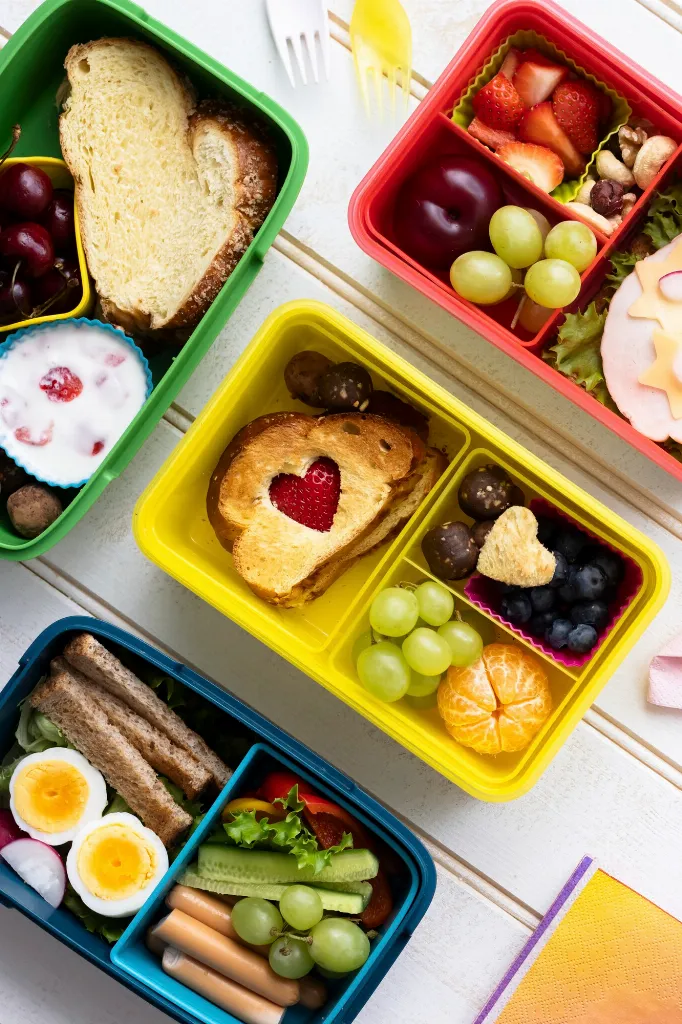
 Creating a clear, fair, and easy-to-follow snack policy helps keep children healthy, families informed, and staff confident. This short guide is for directors and providers who want a practical plan you can share, train on, and post. Use numbered steps, short rules, and simple family handouts so the policy becomes part of everyday routines.
Remember: state requirements vary - check your state licensing agency.
What should a healthy snack policy include?
Why it matters: A #daycare snack policy sets expectations, helps prevent illness, and supports steady energy for learning and play. A good policy is simple, balanced, and easy to follow for staff and families.
- Define the basics (who provides snacks, when, and for which age groups). Example: list which rooms get center-provided snacks and when families should send food.
- Set nutrition standards: require at least two food groups for each snack (fruit/vegetable, whole grain, protein, or dairy). Use the ChildCareEd snack ideas as a guide: Healthy snacks for daycare (nut-free ideas) and Snack Ideas for Daycare. For practical, budget-friendly choices that meet these standards, include options from our guide to providing healthy and cost-effective snack options.
- State allergy and safe-prep rules: name your nut policy (nut-free or managed-nuts), and how staff must check labels every time. See ChildCareEd nut-free tips: nut-free ideas.
- Age and choking rules: add clear cut-size rules and infant/toddler guidance (no whole grapes, thin spreads, etc.). Refer to CDC infant feeding and choking guidance: Infant and Toddler Nutrition.
- Labeling and storage: require names, ingredient lists for homemade items, and safe storage steps (coolers, fridge temps). Use ChildCareEd food prep resources: Food Preparation and Nutrition
 Buy Now $32.00.
Quick policy checklist you can post:
- 1) Two food groups per snack
- 2) No sharing of food
- 3) All ingredient labels checked
- 4) Cut and prepare by age rules
- 5) Staff training on #safety and storage
How do we manage allergies, nut-free rules, and food safety?
Allergy safety and food handling protect children and reduce staff stress. Clear steps make it easier to follow the plan.
If your center holds seasonal parties or classroom celebrations, include event-specific plans — see The Grinch Who Stole Snacks for practical guidance on managing holiday food allergies and keeping celebrations inclusive.
- 📝 Collect and post allergy info: get an allergy action plan at enrollment and place it where staff can see it (while protecting privacy). ChildCareEd offers forms and tips: food safety and allergy training.
- 🔍 Read labels every time: brands change ingredients. Make label-checking part of snack drop-off or prep. See nut-free lists at ChildCareEd: nut-free ideas.
- 🧼 Prevent cross-contact: use separate cutting boards, utensils, and clearly labeled storage for allergy-safe foods. Follow CDC food-safety steps: Clean, Separate, Cook, Chill.
- 🧴 Hand hygiene and cleaning: require staff and children to wash hands before and after snacks. Use CDC hand-hygiene tips for ECE: Hand Hygiene in ECE.
- ⚕️ Emergency readiness: post epi plans, know who can administer medication, and train on CPR & choking response. ChildCareEd offers courses and guidance: food and safety courses Buy Now $32.00. State rules differ—state requirements vary - check your state licensing agency.
Common mistakes and how to avoid them:
- 🍽️ Not checking labels each delivery — fix: assign a staff label-check role.
- 🚶 Allowing children to walk while eating — fix: keep snack time seated and supervised.
- 🔁 Assuming packaged foods are safe — fix: re-check ingredients when families change brands.
How can we make the policy practical for staff and families?
Policies only work when they’re simple to follow. Use clear communication tools, posted procedures, and small routines that save time.
- 📣 Share a one-page family handout: list snack rules, examples of approved items, and how to label food. Use examples from ChildCareEd for quick parent tips: Snacks to Send to Daycare.
- 🗓️ Offer a simple weekly snack guide parents can copy (repeatable pattern by day). ChildCareEd sample menus and templates help: CACFP Food Menu Buy Now $0.00 and the Sample Weekly Menu resources on ChildCareEd. For holiday or seasonal celebrations, offer parents and staff examples from ChildCareEd’s festive, low-sugar toddler recipes to keep treats nutritious and within sugar guidelines.
- 🧺 Keep a labeled backup snack bin at the center for forgotten or non-compliant items (whole-grain crackers, applesauce, shelf-stable milk boxes).
- 👥 Train staff with short, hands-on sessions: label checks, fridge temp logs, and quick choking drills. ChildCareEd courses show practical training ideas: Food Preparation and Nutrition Buy Now $32.00.
- 📲 Use numbered routines and posted roles so everyone knows who does what at snack time (who serves, who checks allergies, who cleans).
Simple family-facing language helps: “Bring 1 item from this list” or “Please pack snacks labeled with name & ingredients.” That keeps drop-off fast and staff calm.
How do we align the policy with CACFP and licensing?
Following CACFP and state licensing standards keeps menus reimbursable, nutrition-focused, and inspector-ready. If you participate in CACFP, use their snack component rules.
- Understand CACFP snack rules: snacks must include two components from different food groups. See CACFP snack requirements: CACFP Snack Requirements Buy Now $0.00 and USDA/CACFP summaries linked on ChildCareEd.
- 📋 Make a CACFP-friendly sample snack list and post it. Use whole grains, fruit/veg, proteins, and dairy choices that meet the pattern. See ChildCareEd CACFP menu info: CACFP Food Menu Buy Now $0.00.
- 🧾 Keep records: menus, ingredient lists when needed, and receipts if CACFP claims are required. Numbered daily sign-offs help inspectors see compliance.
- 🔁 Train for compliance: run short refreshers on portion sizes, crediting grains, and allowed foods. ChildCareEd and local CACFP sponsors offer guidance and templates.
- 📞 Connect with local partners: your state CACFP office or child care resource & referral can help with menu review and technical assistance. CDC resources also support program-level improvements: CDC Strategies for ECE.
Common pitfalls when aligning with CACFP:
- ❌ Serving sweet grains that do not credit — fix: choose whole-grain options that meet CACFP grain crediting rules.
- ❌ Not documenting substitutes — fix: log substitutions and keep a simple note with each menu change.
Conclusion
Keep your snack policy short, numbered, and posted. Teach staff with hands-on checks, share a one-page parent guide, and use simple weekly menus. A sample rollout plan:
- Week 1: Post policy and family handout.
- Week 2: Train staff on label checks, storage, and allergy plans.
- Week 3: Start weekly menus and a backup snack bin.
- Quarterly: Run a short choking and epinephrine drill and refresh training.
FAQ (quick):
- Q: Can parents send nut butter? A: Only if your program allows; prefer seed-butter alternatives and always check labels. See nut-free guidance: nut-free ideas.
- Q: Do I need CACFP? A: CACFP helps with reimbursements and standards—contact your state CACFP sponsor to learn eligibility. See: CACFP Food Menu Buy Now $0.00.
- Q: How often train staff? A: At hire, yearly, and short quarterly refreshers; document lessons and keep records.
Small, repeatable steps protect health and make snack time calm and predictable. Use the ChildCareEd resources linked above and remember to check state rules—state requirements vary - check your state licensing agency. Thank you for making snack time safe, healthy, and joyful for every child.
- Safe and Sound: Creating Healthy Environments for Every Child
- How To Keep A Healthy Class for Infants/Toddlers
- CDA Home Visitor Subject Area 3 Part 3 Birth to 5
- CDA Home Visitor Subject Area 2 Part 3 Birth to 5
- How To Keep A Healthy Class: Six Tips for Germ Control
- Birth to Five CDA Credential with Portfolio Review
- How To Keep A Healthy Class: Six Tips for Germ Control
- History, Policy, and Practice in ECE
- Everyday Safety: Creating Healthy Environments
- Shoo, Germs! Don't Bother Me!
- Ohio Healthy Programs (OHP)
- Cómo Abrir Una Quardería En Casa Sin Dinero?
- Menos Estrés a la Hora de Comer: Rutinas Simples Que Sí Funcionan
- ¿Cómo solicito la licencia para una guardería en California?
- Regulaciones de Licenciamiento de Cuidado Infantil en California para Centros y Hogares de Cuidado Infantil Familiar
- Reglas de Cuidado Infantil en Illinois
- Lista para Abrir una Guardería en Casa en Dakota del Norte: Cómo Empezar
- Lista para Guardería en Casa en Illinois: Cómo Iniciar una Guardería en el Hogar
- Cómo Trabajar en el Cuidado Infantil en California: Requisitos y Pasos
- How to Celebrate Cinco de Mayo in Your Center or Daycare
- How Can Michigan Daycare Centers Prevent the Spread of Illness?
- How does sleep help toddlers' brains grow in Michigan daycares?
- Diversión fresca de verano: actividades del Día Nacional del Helado para niños
- Canciones, juegos y preguntas de círculo para niños
- Snack Ideas for Daycare: Healthy Options Children Will Enjoy
- Snack Time in Daycare: Healthy Foods and Safety Tips
- How to Create a Healthy Snack Policy for Daycare
- What Healthy Snack Ideas Will Kids Actually Love?
- What Makes a Great Home Daycare? 10 Things Parents Notice First
- What’s for Snack Again? Easy Daycare Ideas Kids Won’t Get Bored With
