Snack time gives children energy to play and learn, but choosing what to pack can leave parents with plenty of questions. As a child care provider, you can help families choose simple, balanced snacks that suit their child’s age and follow your program’s food and allergy policies. This guide offers practical ideas to make packing snacks easier while keeping safety and inclusion in mind. For a stronger foundation in children’s nutritional needs, safe food preparation and storage, and support for food allergies, explore ChildCareEd’s Food Preparation and Nutrition  Buy Now $32.00 course.
What snack ideas are simple, balanced, and classroom-friendly?
- 🍎 Fruit + protein: apple slices (thin) + sunflower seed butter or cheese cubes. (Sunflower butter is a nut-free swap—see nut-free ideas.)
- 🥕 Veggie + dip: cucumber coins + hummus or yogurt dip.
- 🥪 Whole grain + protein: whole-grain crackers + turkey roll-ups or mini pita with hummus.
- 🍌 Quick dairy + fruit: Greek yogurt cup + berries or banana coins with cinnamon.
- 🍳 Protein + fruit: hard-boiled egg (sliced) + soft pear slices.
Helpful Tips:
- Always cut risky foods to age-appropriate sizes.
- Label containers with child’s name and any special instructions.
- Pack cold foods in an insulated container; dry snacks in a leak-proof box.
These snack combos support hunger, learning, and simple service for staff. Encourage families to visit ChildCareEd for more snack inspiration and balanced menus like the Sample Weekly Menu Buy Now $0.00.
How can we keep snacks allergy-safe and follow program rules?
- 🔍 Read labels every time — brands change ingredients.
- 🧴 Keep allergy-safe foods clearly labeled and stored separately.
- 🍽️ Use dedicated utensils and serving tools for allergy-safe foods.
- 🚫 Teach no-food-sharing rules and wash hands before/after snacks.
- 📞 Post emergency contacts and allergy action plans where staff can find them quickly.
Some programs require nut-free snacks. Share your safe-snack list (ChildCareEd has nut-free suggestions at Healthy snacks for daycare).
How should snacks be prepared to reduce choking risk and fit infants/toddlers?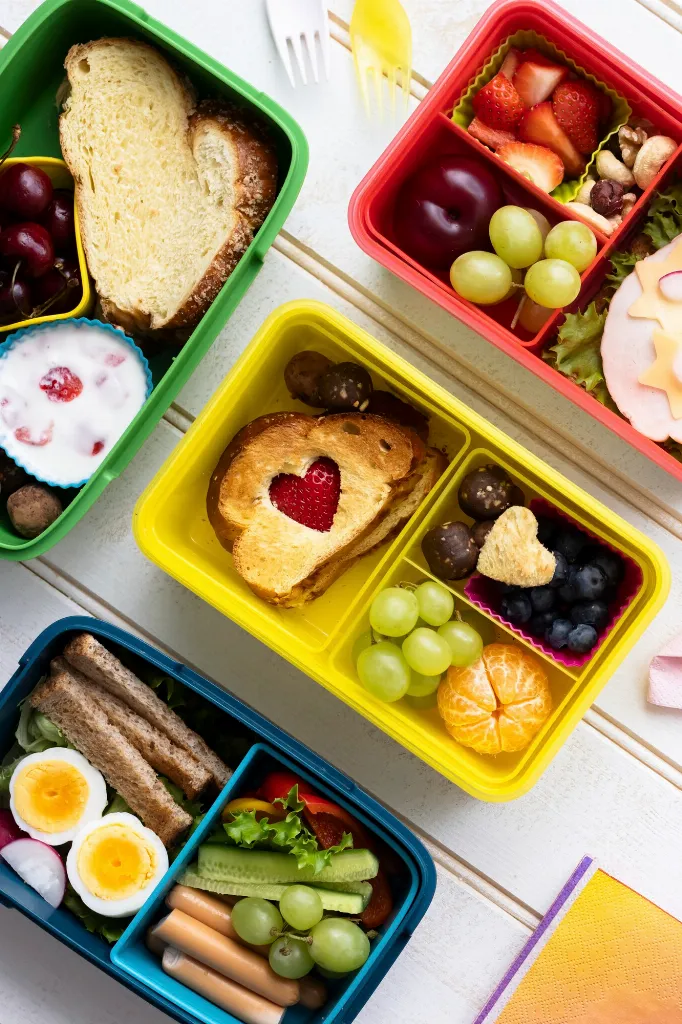
Choking prevention must be front and center for the youngest children. Use straightforward rules from the CDC and ChildCareEd on what to avoid and how to prepare foods safely (see CDC choking hazards and ChildCareEd infant/toddler feeding).
Key prep rules:
- 🍇 Cut round or long foods (grapes, cherry tomatoes, hot dogs) into quarters and lengthwise for toddlers.
- 🥕 Steam or cook hard veggies until soft; mash for infants under 12 months.
- 🍯 No honey before 12 months and avoid cow’s milk as main drink before 12 months (CDC: foods to avoid).
- 🔪 Slice cheese, toast, and fruit into small, bite-size pieces for easier chewing.
- 🪑 Always supervise seated eating and limit distractions.
Common mistakes:
- Not cutting grapes or hot dogs (highest choking risk).
- Sending sticky globs of nut butter on bread—offer thin spreads or cups of seed butter for dipping.
How can providers help parents plan weekly snack menus and follow CACFP or center menus?
Make snack planning simple for families by sharing a short weekly pattern. Use templates and sample menus to show portion sizes and combinations. ChildCareEd offers a Weekly Menu Template Buy Now $0.00 and a Sample Weekly Menu Buy Now $0.00 you can adapt and send to families. For programs and families working with tight budgets, also share ChildCareEd's guide to healthy, cost-effective snack options to help keep snacks nutritious without raising costs.
Easy weekly snack plan to share (one item from each numbered pair):
- 🍎 Monday: Fruit + cheese cubes (fruit: apple slices or pear)
- 🥪 Tuesday: Whole-grain crackers + turkey or hummus
- 🥣 Wednesday: Yogurt cup + soft berries
- 🌽 Thursday: Veggie sticks + hummus or guacamole
- 🍕 Friday: Mini whole-grain pita pizza or whole-grain muffin + fruit
If you participate in CACFP, remind parents about meal pattern rules and portion guidance; ChildCareEd explains CACFP basics and state steps in CACFP in California (adapt to your state). Keep a program “backup snack” bin with shelf-stable items for missed items or last-minute needs.
Why give parents a quick checklist?
- 1) It reduces morning stress and forgotten items.
- 2) It helps maintain consistency with your center menus and allergy rules.
Summary and quick FAQ
- ✅ Keep snacks simple and balanced (two food groups when possible).
- ✅ Make allergy safety non-negotiable: one-page plans, labeled food, no sharing.
- ✅ Prepare foods to match age: cut, mash, steam, and supervise.
- ✅ Use menu templates and CACFP resources to help families plan.
FAQ (short):
- Q: Can parents send nut butter? A: Only if your program allows it and a label/plan is provided — prefer nut-free or seed-butter alternatives; see ChildCareEd nut-free ideas.
- Q: What if a parent packs candy? A: Remind families of your healthy-snack policy and offer approved alternatives; share examples from ChildCareEd snack lists.
- Q: How often should staff check labels? A: Every time — ingredient lists change.
Use this article as a handout, newsletter item, or enrollment packet insert. You can copy the snack lists and link parents to ChildCareEd resources for deeper reading. When families and staff use the same simple rules, snack time becomes safer, calmer, and more nourishing for every child. Keep supporting families with clear examples — small steps have big benefits for kids’ #healthy development and your program’s peace of mind.
- CDA Home Visitor Subject Area 3 Part 3 Birth to 5
- CDA Home Visitor Subject Area 2 Part 3 Birth to 5
- Nutrition Essentials for Child Care Providers
- Birth to Five CDA Credential with Portfolio Review
- CDA Bridge Bundle: Family Child Care
- CDA Bridge Bundle: Family Child Care without Portfolio Review
- CDA Bridge Bundle: Infant/Toddler without Portfolio Review
- CDA Bridge Bundle: Preschool without Portfolio Review
- Texas Director Credential
- Cómo Abrir Una Quardería En Casa Sin Dinero?
- Cómo Iniciar el Proceso de Obtención de la Licencia de Cuidado Infantil
- ¿Cómo solicito la licencia para una guardería en California?
- Regulaciones de Licenciamiento de Cuidado Infantil en California para Centros y Hogares de Cuidado Infantil Familiar
- Normas de Licenciamiento de Cuidado Infantil en Virginia para Centros Diurnos Infantiles y Hogares Diurnos Familiares
- Proporciones de Cuidado Infantil y Tamaños de Grupo por Edad en Wisconsin (Guía Rápida para Centros y Hogares)
- Lista para Abrir una Guardería en Casa en Dakota del Norte: Cómo Empezar
- Lista para Guardería en Casa en Illinois: Cómo Iniciar una Guardería en el Hogar
- Lista para Guardería en Casa en California: Cómo Iniciar una Guardería en el Hogar
- Apoyo en Preescolar para Retrasos del Habla: Estrategias Simples que Ayudan
- Retraso del Habla en la Guardería: Cómo Pueden Ayudar los Proveedores
- Las Mejores Ideas de Excursiones para Guarderías en Texas
- Cinco de Mayo Crafts and Activities for Preschool and Daycare
- Diversión fresca de verano: actividades del Día Nacional del Helado para niños
- Snacks to Send to Daycare: Simple Ideas for Parents
- Snacks para enviar al daycare: ideas sencillas para padres
- Cómo conseguir trabajo en un daycare sin experiencia
- When a Gas Leak Reaches the Daycare Door: How Can DC Providers Evacuate Fast, Use Warm Shelter Plans, and Talk to Parents?
- How to Create a Healthy Snack Policy for Daycare
- What Healthy Snack Ideas Will Kids Actually Love?
