What makes a snack “ #healthy” for #daycare?
A healthy daycare snack is usually simple and balanced. Try to include at least 2 food groups when you can, like:
- Fruit or veggies (fresh, frozen, or canned in water)
- Whole grains (whole-wheat, oats, brown rice cakes)
- Protein (beans, yogurt, eggs, hummus—nut- #free)
- Dairy (milk, cheese, yogurt)
This helps children stay full longer and avoid big energy crashes. 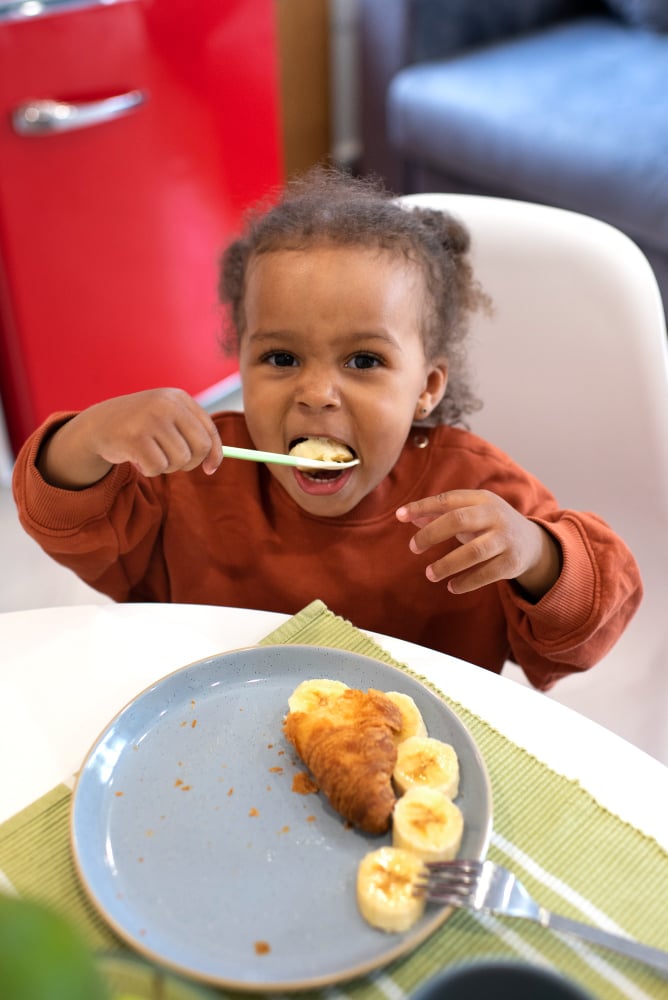
What does “nut-free” really mean in child care?
Nut-free usually means no peanuts and no tree nuts (like almonds, cashews, walnuts, pistachios). It also means being careful about:
- Ingredient labels (“may contain peanuts/tree nuts”)
- Shared equipment (cross-contact can happen during processing)
- Nut-based substitutes (like almond flour or cashew “cheese”)
If your program has allergy policies, follow them closely. Nut-free is about keeping everyone #safe and included—and that #matters.
What are easy, healthy, nut-free snack ideas kids actually eat?
Here are practical ideas that work well in most #centers. (Always match foods to the child’s age and your choking- #safety rules.)
- Apple slices + sunflower seed butter (or pumpkin seed butter)
- Banana “coins” + cinnamon
- Orange wedges + whole-grain crackers
- Grapes (cut into quarters) + cheese cubes
- Cucumber rounds + hummus
- Mini whole-wheat pita + tzatziki (yogurt dip)
- Yogurt + sliced strawberries (check for nut-free facility if needed)
- Hard-boiled egg + soft fruit (like peaches)
- Oatmeal muffin (nut-free) + milk
- Rice cakes + cream cheese + sliced berries
These give a mix of fiber, protein, and healthy fats—without nuts.
What are “no-cook” nut-free snacks for busy #classrooms?
When time is short, these are fast and low- #stress:
- String cheese + pear slices
- Whole-grain cereal + milk (or dry cereal + fruit)
- Trail-mix alternative: pretzels + raisins + pumpkin seeds (only if seeds are allowed)
- Greek yogurt cup + berries
- Guacamole cup + whole-grain tortilla strips
- Edamame (shelled) for older kids
- Bean salad (rinsed canned beans + corn + mild salsa)
Tip: Keep a “backup snack bin” with shelf-stable items like whole-grain crackers, applesauce cups, and milk boxes.
What are fun nut-free snacks that feel like a treat (but are still healthy)?
Kids love snacks that look fun. Try:
- “Rainbow cups”: layered fruit (red berries, orange mandarin, green kiwi, etc.)
- Ants on a log (nut-free): celery + cream cheese + raisins
- Mini “pizza”: whole-grain English muffin + marinara + mozzarella (toasted if allowed)
- Frozen yogurt bark (nut-free toppings like fruit or cereal)
- Fruit kabobs (use blunt picks or serve as “fruit stacks” for safety)
This is a great place to talk about trying new foods positively.
How do I keep nut-free snacks #safer for allergy protection?
Even when you do not serve nuts, safety steps still matter:
- Read labels every time (brands change ingredients)
- Use separate tools (cutting boards, knives, serving spoons)
- Clean tables #before-and-after snack
- Teach “no sharing food” in simple words
- Wash hands (kids and adults)
- Store foods correctly (cold foods cold, hot foods hot)
Training can help #staff feel confident about allergy #awareness and prevention.
What are good nut-free snacks for infants and #toddlers?
For younger children, snacks should be soft, small, and easy to chew.
Try options like:
- Soft fruit (banana, ripe pear, avocado)
- Plain yogurt (watch added sugar)
- Scrambled eggs (small pieces)
- Steamed veggie sticks (very soft)
- Oatmeal or cooked cereal
- Cottage cheese (if age-appropriate)
Avoid choking hazards like whole grapes, popcorn, hard raw carrots, or big chunks of cheese. If you need a refresher on safe prep and storage, ChildCareEd’s Food Preparation and Nutrition  Buy Now $32.00course is a helpful support: Buy Now $32.00
How can I #plan nut-free snacks for a full week?
A simple system makes planning easier. Try this pattern:
- Monday: Fruit + dairy ( #example: strawberries + yogurt)
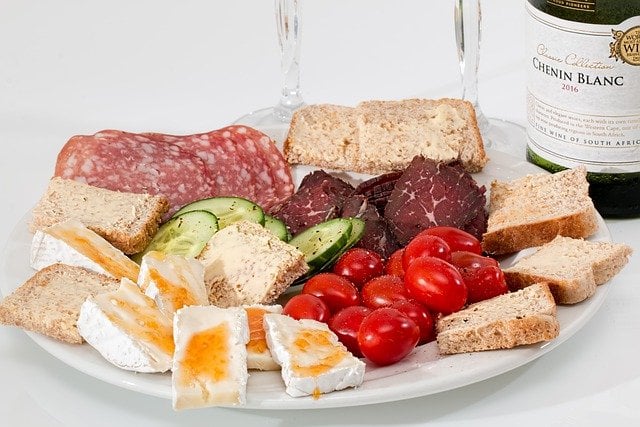
- Tuesday: Veggie + protein (example: cucumbers + hummus)
- Wednesday: Whole grain + fruit (example: whole-grain crackers + applesauce)
- Thursday: Protein + whole grain (example: egg + toast strips)
- Friday: “Fun healthy” day (example: mini pizza muffins + fruit)
For classroom-friendly ideas and kid activities tied to nutrition, use this free ChildCareEd resource: Nutrition Month Activities Buy Now $0.00
What ChildCareEd training helps staff with nutrition and allergies?
If you want more support for snack planning, food safety, and allergy awareness, these courses match this topic well:
- Food Preparation and Nutrition Buy Now $32.00: Buy Now $32.00
- Elijah's Law: Allergy Awareness Training: Buy Now $16.00
- Nutrition Essentials for Child Care Providers Buy Now $16.00: Buy Now $16.00
These are especially useful if your program serves children with food allergies or you want a stronger nutrition routine.
What ChildCareEd article should I read next for meal and snack guidance?
For a helpful overview of nutrition standards and snack support in child care settings, check out:
Georgia Child and Adult Care Food Program (CACFP)
Even if you are not in Georgia, it explains the big idea behind CACFP and why balanced meals and snacks matter.
Where can I get more ideas like this (and share your own)?
Want more classroom-friendly tips, activities, and quick ideas? Follow ChildCareEd here:
https://www.childcareed.com/social-posts.html (childcareed.com)
You’ll find fresh posts you can save and try—then share what worked in your classroom!
- Safe and Sound: Creating Healthy Environments for Every Child
- Reducing the Risk of Sudden Infant Death Syndrome
- CDA Infants/Toddlers: Health and Safety
- CDA Infants/Toddlers: Abuse and Neglect Reporting Requisites
- Potty Training Made Simple
- Creating Safe & Healthy Child Care Environments
- CDA Infants/Toddlers: Classroom Setup
- CDA Infants/Toddlers: Smart Nutrition & Feeding
- Everyday Safety: Creating Healthy Environments
- Shoo, Germs! Don't Bother Me!
- Healthy Lunchbox Ideas for the New School Year: Keep Kids Energized & Excited about Their Meals
- Tummy Time Travelers: How to Send Your Kid’s Gut on a Yummy Health Journey
- Cocoa, Cookies, and Cognitive Development: The Holiday Nutrition Guide for Little Learners
- A Nutcracker’s Guide to Nutrition: Teaching Healthy Holiday Eating Habits
- Pizza or Kale Chips? Kid-Friendly Nutrition Tips to Start the Year Right
- Cómo Abrir Una Quardería En Casa Sin Dinero?
- Cinco de Mayo Crafts and Activities for Preschool and Daycare
- How to Celebrate Cinco de Mayo in Your Center or Daycare
- How to Celebrate National Ice Cream Day in Your Center
- Diversión fresca de verano: actividades del Día Nacional del Helado para niños
- Snack Ideas for Daycare: Healthy Options Children Will Enjoy
- Snacks to Send to Daycare: Simple Ideas for Parents
- Snacks para enviar al daycare: ideas sencillas para padres
- Cómo conseguir trabajo en un daycare sin experiencia
- Snack Time in Daycare: Healthy Foods and Safety Tips
- How to Create a Healthy Snack Policy for Daycare
- How can childcare programs prevent choking and keep mealtimes safe?
- What Healthy Snack Ideas Will Kids Actually Love?
- What’s for Snack Again? Easy Daycare Ideas Kids Won’t Get Bored With
- Nursery Snack Ideas by Age: What Can Babies, Toddlers, and Preschoolers Safely Eat?
