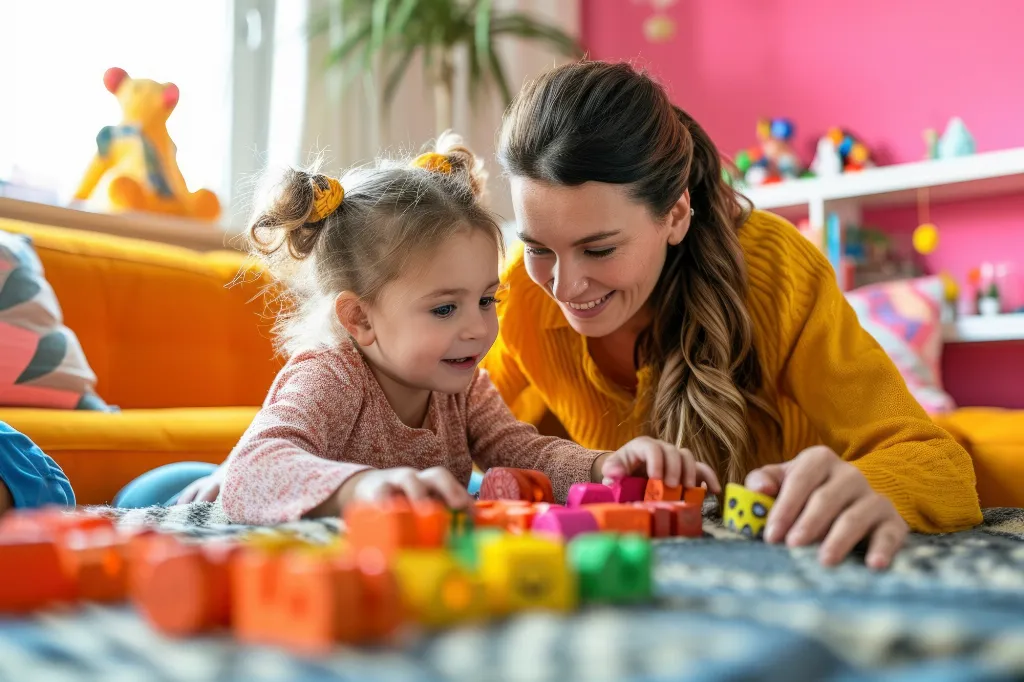
 Opening an in-home daycare in California can feel big — but you can do it step by step. This short guide helps child care providers and directors learn the rules for a Family Child Care Home (FCCH). You will see the main steps, health and safety rules, required training, and daily systems that keep your program safe and legal. This guide uses easy words and links to helpful ChildCareEd resources when you need more detail. This guide focuses on #California and the most important ideas: #licensing, #safety, #ratios, and #training.
1. What steps do I take to get my in-home daycare licensed?
1) Attend orientation: California requires that you attend a Family Child Care Home orientation before applying. See the basic orientation and start steps at How to Open A Home Daycare In California.
2) Choose your size: Decide if you want a small or large Family Child Care Home. Small homes care for up to 6 (or sometimes 8) children; large homes can serve more with an assistant. Get details at the FCCH application page: California Family Child Care Home License: Application & Instructions Buy Now $0.00.
3) Gather forms and pay fees: Fill out the license packet, floor plan, and required forms. The CDSS packet and ChildCareEd checklist help you keep copies and track fees. See application instructions: Application & Instructions Buy Now $0.00.
4) Prepare for inspection: Do a home walk-through, lock medicines, secure furniture, check smoke detectors, and post your emergency plan. ChildCareEd’s step-by-step opening guide gives useful pre-inspection tips: How to start a Home Daycare in California.
2. What health, safety, and space rules must I follow?
1) Follow Title 22 basics: Title 22 is the state set of health and safety rules for licensed programs. It covers space amounts, sanitation, supervision, and emergency plans. Read a clear summary at ChildCareEd: What Is Title 22 in California Childcare?.
2) Space rules:
- Indoor space — about 35 sq ft usable activity space per child (count by licensed capacity).
- Outdoor space — about 75 sq ft per child and the play area must be safe and fenced where required.
3) Ratios and supervision:
- Infants (0–2): 1 adult : 4 children.
- Preschool (2–6): 1 adult : 12 children.
- School-age (6+): 1 adult : 15 children.
See the quick ratios guide at California Child Care Ratios and Group Sizes by Age.
4) Health and emergency rules: Keep immunization records, post a written disaster plan, run regular drills, and have staff certified in Pediatric First Aid/CPR. ChildCareEd explains these rules and daily safety steps: California Child Care Licensing Regulations.
3. What trainings, checks, and paperwork do staff and household members need?
1) Background checks and Live Scan:
- Anyone who lives in your home and adults who will care for children usually need criminal background checks and Live Scan fingerprinting. Start early — results can take time. See the licensing steps in How to Work in Childcare in California.
2) Health checks:
- Tuberculosis (TB) clearance or test is often required.
- Keep health and immunization records up-to-date for staff and children.
3) Required training:
- 16 hours of health & safety training is common for FCCH applicants, including Pediatric First Aid and CPR and Preventive Health topics. ChildCareEd offers approved courses: 24-Hour Family Child Care Pre-Service Training Buy Now $300.00 and other California courses at ChildCareEd California courses.
- All staff must complete Mandated Reporter training for recognizing and reporting abuse.
4) Records to keep ready:
- Child files (emergency contacts, immunizations, health forms).
- Staff files (training certificates, TB, Live Scan clearance).
- Facility records (drill logs, attendance, maintenance).
4. How do I run a safe, legal program every day and avoid common mistakes?
Daily systems keep your work calm and inspection-ready. Here are easy steps you can use every day:
- 📋 Keep one folder (or digital file) for licensing: child files, staff files, training certificates, and emergency plans.
- 🧭 Post capacity and staff assignments where staff can see them so ratios stay correct during transitions.
- 🧯 Do a weekly safety walk: gates, outlets, first aid kit, and medication locks.
- 💻 Use a calendar with reminders for training renewals, Live Scan updates, and license fees.
Why it matters: Following these steps protects children and your program. Safe care builds trust with families and helps avoid citations, fines, or loss of your license. A clear routine lowers stress for you and the children.
Common mistakes and how to avoid them:
- ❗ Counting non-supervising adults in ratios — fix: train staff and post who counts in the ratio.
- ❗ Letting training certificates expire — fix: set renewal reminders and keep backups of certificates.
- ❗ Over-enrolling beyond licensed capacity — fix: know your license limits and update records when ages change.
Quick FAQ:
- Q: Do I always follow Title 5 or Title 22? A: Most private in-home programs follow Title 22. If you accept state funding, Title 5 rules may also apply. See Title 5 vs Title 22.
- Q: Can online courses count for licensing? A: Many approved online courses do count. Use state-approved trainings like those on ChildCareEd and confirm with your licensing analyst.
- Q: What about zoning and landlord rules? A: If you rent, tell your landlord and check local rules. For tips on starting a child care business, see the Nolo guide: How to Start a Day Care Business in California.
Final checklist before you open:
- ✅ Attend orientation and submit the application.
- ✅ Complete Live Scan and health clearances.
- ✅ Finish required Pediatric First Aid/CPR and health & safety training.
- ✅ Prepare your home for the inspection and keep records organized.
Remember: state requirements vary - check your state licensing agency. For more step-by-step help and templates, use ChildCareEd resources like the Family Child Care application page: Application & Instructions Buy Now $0.00 and the Opening guide: How to Open A Home Daycare In California. Good luck — you are building something families need and children deserve.
- Professional Presence in Early Childhood
- CDA Home Visitor Subject Area 5 Part 3 Birth to 5
- Open Ears: Listening in Child Care
- Texas Primary Caregiver Qualification
- Pediatric RSV First Aid & CPR/AED
- CDA Family Child Care Renewal
- Creating Environments that Nurture Growth and Community
- 24 Hour Family Child Care Pre-Service Training ONLINE
- Supporting Families and Caregivers in Language and Literacy
- Rooted in History: Early Childhood
- ¿Cómo solicito la licencia para una guardería en California?
- Regulaciones de Licenciamiento de Cuidado Infantil en California para Centros y Hogares de Cuidado Infantil Familiar
- Lista para Guardería en Casa en California: Cómo Iniciar una Guardería en el Hogar
- Cómo Trabajar en el Cuidado Infantil en California: Requisitos y Pasos
- In-Home Daycare Requirements in California
- Licensed Home Daycare Capacity: How Many Children Are Allowed?
- Starting an In-Home Daycare in California: Requirements and Tips
- Safe Temperature Regulations in Daycare: California Rules for Child Care Providers
- Home Daycare Guide: How to Start Caring for Children in Your Home
- California Home Daycare Licensing Standards
- How did a backyard pool change water safety at California family child care homes?
- How Many Kids Can You Watch Without a License in California?
- California Home Daycare Standards: What Providers Need to Know
- California Child Care Ratios and Group Sizes by Age: Home Daycare Guide
- How to Become a Childcare Worker in California: Requirements and Steps
- How to Get a License for a Home-Based Daycare
- Can an Aide Count in California Daycare Ratios? Title 22 Staffing Explained
- How to Open a Daycare in California: Small Home, Large Home, or Child Care Center?
- Title 22 Home Daycare Ratios: How Age Mix Changes Your California Capacity
- What Does California Preschool Compliance Really Cost? A Director’s Annual Budget Checklist
