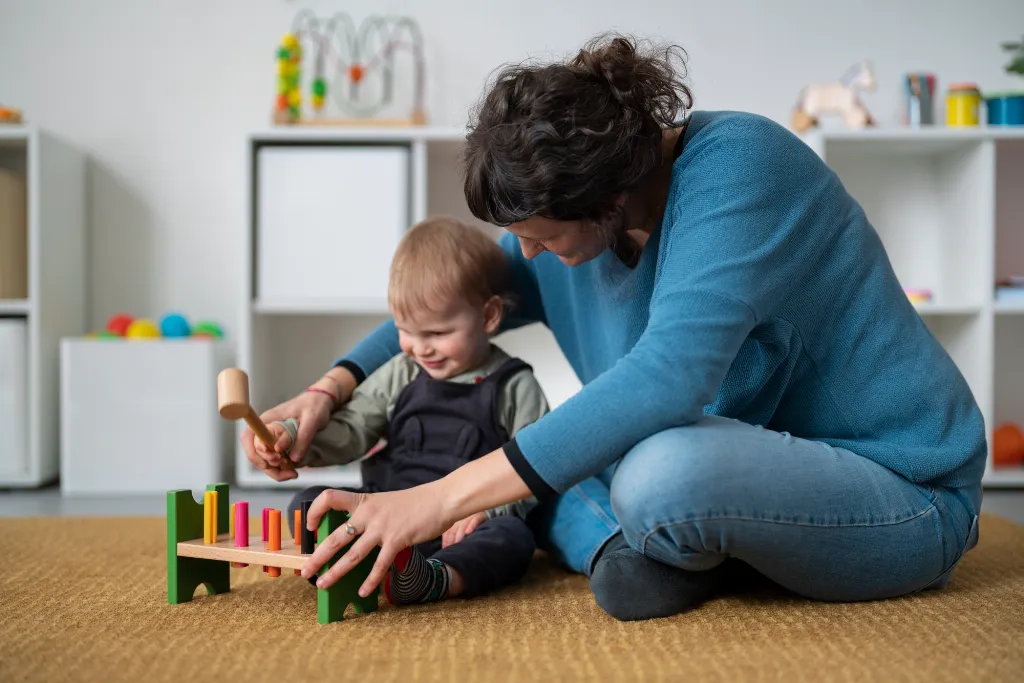
 Starting a #home daycare in #California is a big step, but it can also be a very rewarding one. Families need safe, local care they can trust. Children need a calm place where they can learn, play, and follow a steady routine. When you open a home daycare, you can help meet both of those needs.
A well-run program does more than watch children. It supports early learning, helps parents keep working, and gives children a safe place to grow. It also lets you build a small business you can be proud of.
The most important part is doing it the right way. That means learning the rules, making a strong #safety plan, and staying organized from the start. A simple California guide from ChildCareEd can help you begin: How to Open A Home Daycare In California
What legal steps do you need to start a home daycare in California?
California calls this type of program a Family Child Care Home, or FCCH. Before you open, you need to choose the size of your program and complete the basic licensing steps.
Here is the simple path most new providers follow:
-
Learn the rules for a small or large Family Child Care Home
-
Attend the required orientation
-
Complete the application packet
-
Pay the needed fees
-
Finish background checks and clearances
-
Prepare for the home inspection
It helps to start by learning the difference between a small and large FCCH. The size of your license affects how many children you may care for at one time.
After that, attend the required orientation. This step helps you understand the forms, the process, and what the licensing office expects. Then complete your application packet and gather the documents you need.
You should also keep copies of everything in one folder. This includes forms, receipts, notes, and deadlines. Staying organized early can save you a lot of stress later.
How do you prepare your home to meet licensing and safety rules?
Your home does not need to look perfect, but it does need to be safe, clean, and ready for children.
Start by walking through your home one room at a time. Look for anything that could hurt a child. Then fix those problems before your inspection.
Focus on these safety steps first:
-
Lock up medicine, cleaning products, and sharp items
-
Cover outlets
-
Secure heavy furniture
-
Check smoke detectors
-
Keep a working fire extinguisher
-
Make safe play, nap, and meal areas
-
Keep walkways clear
-
Make outdoor spaces safe and fenced if needed
It also helps to create simple activity areas. You might have one space for quiet reading, one for art, one for blocks, and one for nap time. Clear spaces make your home easier to use and easier to inspect.
ChildCareEd has a helpful step-by-step article with setup tips here: How do I start a home daycare step-by-step?
You can also use this helpful ChildCareEd checklist resource as you plan your setup: How To Start a Home Daycare Buy Now $0.00
If you rent your home, talk to your landlord early. It is better to ask questions before you spend money on supplies or changes.
What training do you need before you open?
Training is one of the most important parts of getting ready. It helps you protect children and feel more confident each day.
Before opening, many California providers need training in pediatric first aid, CPR, and preventive health and safety topics. These courses help you respond to emergencies, lower risks, and understand safe care practices.
Here are ChildCareEd training options that fit this topic well:
-
California Childcare Training page: Approved Trainings in California
-
Child Care Health and Safety: Health and Safety Orientation
 Buy Now
 $55.00$45.00
These links can help you find training that supports your licensing and daily care needs.
You should also keep all training certificates in one place. During inspections or renewal time, it is much easier when your paperwork is ready.
A simple training folder should include:
-
Course certificates
-
CPR and first aid proof
-
Health screening records
-
Background check notes
-
Renewal dates
This step matters for #licensing and for peace of mind.
How do you set rates, write policies, and enroll families?
Once your home is safe and your training is underway, you can begin building the family side of your program.
A strong parent handbook is one of the best tools you can have. It helps families know what to expect, and it helps you stay fair and consistent.
Your handbook should explain:
-
Hours of care
-
Tuition and payment rules
-
Late pickup fees
-
Sick child rules
-
Holidays and closures
-
Drop-off and pick-up rules
-
Behavior guidance
-
Emergency plans
Keep your language simple. Families should be able to read your policies quickly and understand them right away.
You also need good enrollment forms. Be sure to collect:
-
Emergency contacts
-
Child health information
-
Allergy details
-
Immunization records
-
Signed policy forms
-
Authorized pickup names
When setting rates, start by listing your costs. Think about food, supplies, toys, insurance, utilities, and your time. Then look at local rates in your area. Your price should be fair to families and fair to you.
Do not forget to put payment rules in writing. This can help prevent problems later.
How do you stay compliant and run your program well each day?
A good home daycare runs on simple systems and steady routines. Children do better when each day feels calm and predictable.
A daily routine might include:
-
Arrival and greeting
-
Free play
-
Learning activity
-
Snack or meal
-
Outdoor play
-
Nap or quiet time
-
Afternoon activity
-
Pickup
Routines help children feel safe. They also help you manage time, behavior, and supervision.
It is also very important to keep up with records and ratios. Do not enroll more children than your license allows. Count carefully and follow the rules every day.
Keep these records up to date:
-
Attendance
-
Incident reports
-
Training certificates
-
Payment records
-
Emergency forms
-
Inspection notes
A weekly filing habit can save you time and stress. Try setting one day each week for paperwork. Small tasks are easier when they do not pile up.
What common mistakes should new providers avoid?
Many new providers make the same mistakes at first. The good news is that most of them are easy to avoid with a little planning.
Watch out for these common problems:
-
Waiting too long to start paperwork
-
Missing training or renewal dates
-
Over-enrolling children
-
Using unsafe secondhand items
-
Forgetting to write clear policies
-
Letting records pile up
A calendar, a checklist, and one filing system can make a big difference. #families notice when a provider is prepared, clear, and organized.
What is the easiest way to get started now?
Start with one step at a time.
Here is a simple checklist:
-
Learn California FCCH rules
-
Attend orientation
-
Complete the application
-
Finish required checks and training
-
Make your home safe
-
Write your handbook and forms
-
Prepare for inspection
-
Enroll families carefully
Useful ChildCareEd links for this topic:
-
Main California article:How to Open A Home Daycare In California
-
Related article: How do I start a home daycare step-by-step?
-
Resource: A step-by-step checklist Buy Now $0.00
Opening a home daycare in California takes planning, but you do not have to do everything at once. Stay organized, keep learning, and focus on safety first. When you build your program step by step, you can create a trusted space that helps children and families every day.
- CDA Home Visitor Subject Area 3 Part 3 Birth to 5
- CDA Home Visitor Subject Area 2 Part 3 Birth to 5
- Birth to Five CDA Credential with Portfolio Review
- CDA Family Child Care Credential with Portfolio Review
- Pediatric RSV First Aid & CPR/AED
- Potty Training Made Simple
- Equity in Action with Head Start
- Creating Environments that Nurture Growth and Community
- Texas Director Credential
- CDA Home Visitor Subject Area 7 Part 1 Birth to 5
- How to Apply for Daycare Licensing in California
- ¿Cómo solicito la licencia para una guardería en California?
- Regulaciones de Licenciamiento de Cuidado Infantil en California para Centros y Hogares de Cuidado Infantil Familiar
- Lista para Abrir una Guardería en Casa en Dakota del Norte: Cómo Empezar
- Lista para Guardería en Casa en California: Cómo Iniciar una Guardería en el Hogar
- Cómo Trabajar en el Cuidado Infantil en California: Requisitos y Pasos
- In-Home Daycare Requirements in California
- Daycare Teacher Certification Requirements in California
- What should new daycare providers in California know before opening their first child care program?
- How to Become a Licensed Childcare Provider in California
- Starting an In-Home Daycare in California: Requirements and Tips
- Home Daycare Guide: How to Start Caring for Children in Your Home
- California Home Daycare Licensing Standards
- How to Get a Home Daycare License
- How Many Kids Can You Watch Without a License in California?
- California Home Daycare Standards: What Providers Need to Know
- California Child Care Ratios and Group Sizes by Age: Home Daycare Guide
- How to Get a License for a Home-Based Daycare
- How to Open a Daycare in California: Small Home, Large Home, or Child Care Center?
- Title 22 Home Daycare Ratios: How Age Mix Changes Your California Capacity
