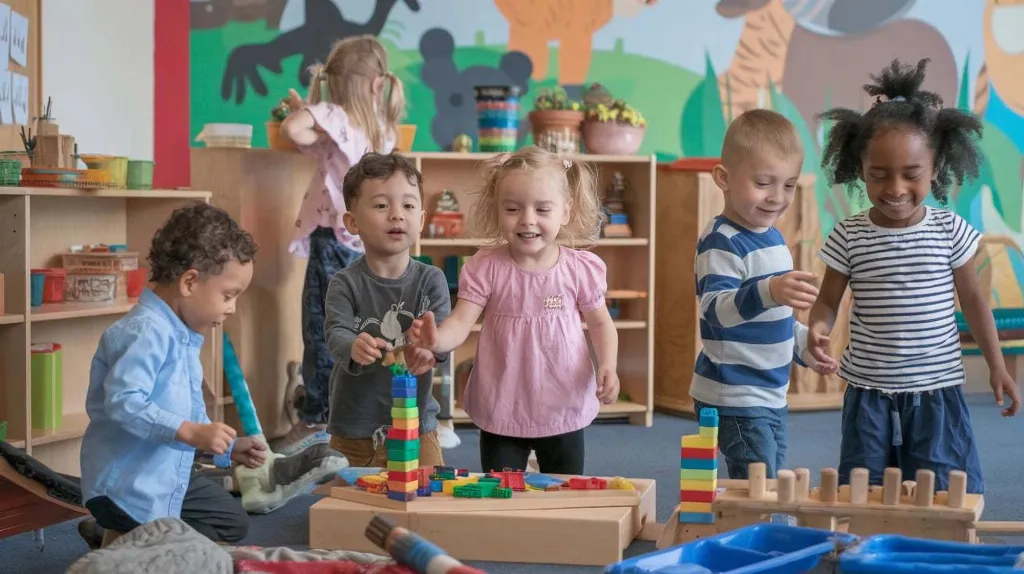
 Running a daycare or in-home program can feel big — but you do important work. This short guide helps #California child care leaders follow the rules and keep children safe. It explains the basics of #licensing, shows daily #safety steps, points to needed #training, and offers ways to work with #families. For details and forms, the links below point to useful ChildCareEd tools and checklists.
Why do California minimum standards matter for my program?
1) They protect children and your business. California's minimum standards (often called Title 22) set the minimum health, safety, and staffing rules that licensed centers and family homes must follow. For a clear overview see What Is Title 22 in California Childcare?.
2) They build trust with families. When you follow written rules and keep records, families feel safer. Use ready-made policies and forms from ChildCareEd to show families your plan and to stay organized, like the Medication Administration Template Buy Now $0.00 and emergency forms such as Emergency Form for Daycare.
3) They guide daily practice. State rules cover topics such as supervision ratios, safe sleep, cleanliness, and medicine. National standards like Caring for Our Children are helpful when you want best-practice detail.
What are the key rules I must follow every day?
Below are the most common and important rules that apply day-to-day. For complete legal text and more examples, see Understanding Title 22 Rules for California Child Care.
- 👶 Ratios and supervision
- Infants (0–2): 1 adult : 4 children
- Preschool (2–6): 1 adult : 12 children
- School-age (6–14): 1 adult : 15 children
- 📏 Space and safety
- Indoor activity space rules and outdoor play space rules are measured by licensed capacity — keep floor plans and play area notes ready. See Title 22 summary at What Is Title 22.
- ⚕️ Health and illness rules
- Post emergency plans, follow exclusion rules for sick children, and maintain up-to-date immunization records.
- 🩺 First aid & CPR
- Ensure staff have current Pediatric First Aid/CPR; ChildCareEd offers both in-person and blended courses: In-Person First Aid & CPR Buy Now $95.00 and Blended Buy Now
$85.00$80.00.
- Ensure staff have current Pediatric First Aid/CPR; ChildCareEd offers both in-person and blended courses: In-Person First Aid & CPR Buy Now $95.00 and Blended Buy Now
- 🗂 Records and policies
- Keep child files, staff files, attendance, medication logs, and emergency forms. Use templates like the Accident/Injury Form Buy Now $0.00 and the Medication Template Buy Now $0.00.
Short tip: Post your room capacity and staff assignments where everyone can see them. That simple step helps you follow ratios and reduces stress during transitions.
How do I prepare for licensing, inspections, and paperwork?
Start the right way: take orientation and gather documents before you apply. ChildCareEd's step-by-step guides such as How to Start the Child Care Licensing Process and How to Apply for Daycare Licensing in California walk you through the forms and pre-licensing steps.
Paperwork checklist:
- 📝 Application forms and floor plan (use the family home LIC packet if you run a home). See Family Child Care Home License: Application & Instructions Buy Now $0.00.
- 🔎 Live Scan fingerprints and background checks for all adults on site.
- 📚 Training certificates for Pediatric First Aid/CPR and Preventive Health & Safety.
- 📁 Organized files: child files, staff files, emergency forms, drill logs, and policies—use a Provider Toolkit as described in Provider Toolkit.
Inspections: Licensing visits may be unannounced. LPAs look for safety hazards, expired certificates, missing immunizations, and ratio violations. Keep digital backups and a visible training calendar. state requirements vary - check your state licensing agency.
Quick pre-inspection routine (do weekly):
- ✅ Count children and staff; post the written plan.
- ✅ Scan staff certificates and note expirations.
- ✅ Walk the playground and check gates and first aid kit.
How do I keep staff trained, safe, and up to date?
Required training basics: many California providers must have 16 hours of health & safety training and current Pediatric First Aid/CPR. ChildCareEd explains required trainings in Basic Health & Safety Training and offers courses that meet state needs.
Mandatory reporting and abuse/neglect courses: all staff must know how to spot and report abuse. See Mandatory Reporting Training and related abuse/neglect resources at California providers Child Abuse and Neglect requirements.
Track training simply:
- 📂 Keep a staff training binder with copies of certificates and renewal dates.
- 📅 Use a calendar with 30- and 7-day reminders for renewals.
- 💻 Use online platforms that give instant certificates (ChildCareEd has self-paced options and a Group Admin dashboard).
Common mistakes and how to avoid them:
- ❗ Missing or expired CPR/First Aid — fix: set firm renewal reminders and assign one staff member to monitor dates.
- ⚠️ Counting non-supervising staff in ratios — fix: train every staff on who can be included and post roles.
- 🧾 Disorganized child files — fix: use enrollment checklists and keep emergency forms in the classroom go-bag; see Emergency Form for Daycare.
Conclusion: Quick checklist and FAQs
Quick action checklist:
- ✅ Read the Title 22 summary: What Is Title 22.
- ✅ Finish required trainings (First Aid/CPR and health & safety).
- ✅ Organize staff files, child files, and emergency plans using templates like the Medication Template Buy Now $0.00 and accident forms.
- ✅ Do a weekly safety walk and a monthly file check.
FAQ:
- Q: Do I always follow Title 5? A: No — Title 5 applies when you accept some state funds. Otherwise follow Title 22. See the Title 22 overview at What Is Title 22.
- Q: Can online courses count for licensing? A: Many do. Use approved trainings like those at ChildCareEd and confirm with your licensing analyst.
- Q: Who needs Live Scan fingerprints? A: Typically all staff and adults in the home; start fingerprinting early as results can take time. See the application guide at How to Apply for Daycare Licensing in California.
- Q: What if I’m unsure about a rule? A: Ask your local licensing analyst — state requirements vary - check your state licensing agency.
Thank you for the work you do. Use the linked ChildCareEd templates and courses to make paperwork smaller and safety stronger. Small systems — one checklist, one binder, one trained staff at a time — keep children safe and your program thriving.
- ¿Cómo solicito la licencia para una guardería en California?
- Regulaciones de Licenciamiento de Cuidado Infantil en California para Centros y Hogares de Cuidado Infantil Familiar
- Lista para Abrir una Guardería en Casa en Georgia: Cómo Empezar
- Lista para Guardería en Casa en California: Cómo Iniciar una Guardería en el Hogar
- Lista para Guardería en Casa en Texas: Cómo Iniciar una Guardería en el Hogar
- Cómo Trabajar en el Cuidado Infantil en California: Requisitos y Pasos
- Capacitación Previa al Servicio para Proveedores de Cuidado Infantil en California
- In-Home Daycare Requirements in California
- What Is a CCRC in Child Care? A Guide for Families and Providers
- How did a backyard pool change water safety at California family child care homes?
- How Many Kids Can You Watch Without a License in Virginia?
- California Child Care Ratios and Group Sizes by Age: Daycare Center Guide
- California Child Care Ratios and Group Sizes by Age: Home Daycare Guide
- How to Become a Childcare Worker in California: Requirements and Steps
- LIC 279A vs. LIC 279: Which California Family Child Care Form Do You Need?
- What Do You Need to Open a Daycare at Home? Start With Your House, Not the Toys
- How to Open a Daycare in California: Small Home, Large Home, or Child Care Center?
- Do You Need a Childcare License to Watch Kids in Your Home?
- Rule 407 Licensing Standards: How to Find the Illinois Day Care Rule You Need Fast
- Title 22 Home Daycare Ratios: How Age Mix Changes Your California Capacity
