 Everyday caregivers and directors need simple, strong ways to teach adult #FirstAid #CPR #training #safety #providers skills. This short guide shows easy activities you can use in staff meetings, trainings, or during new-hire orientation. It also tells why these activities work and how to avoid common mistakes. State requirements vary - check your state licensing agency.
What hands-on activities teach adult CPR and choking skills?
Here are clear, hands-on activities that teach life-saving actions. Use them in order so learners practice step by step.
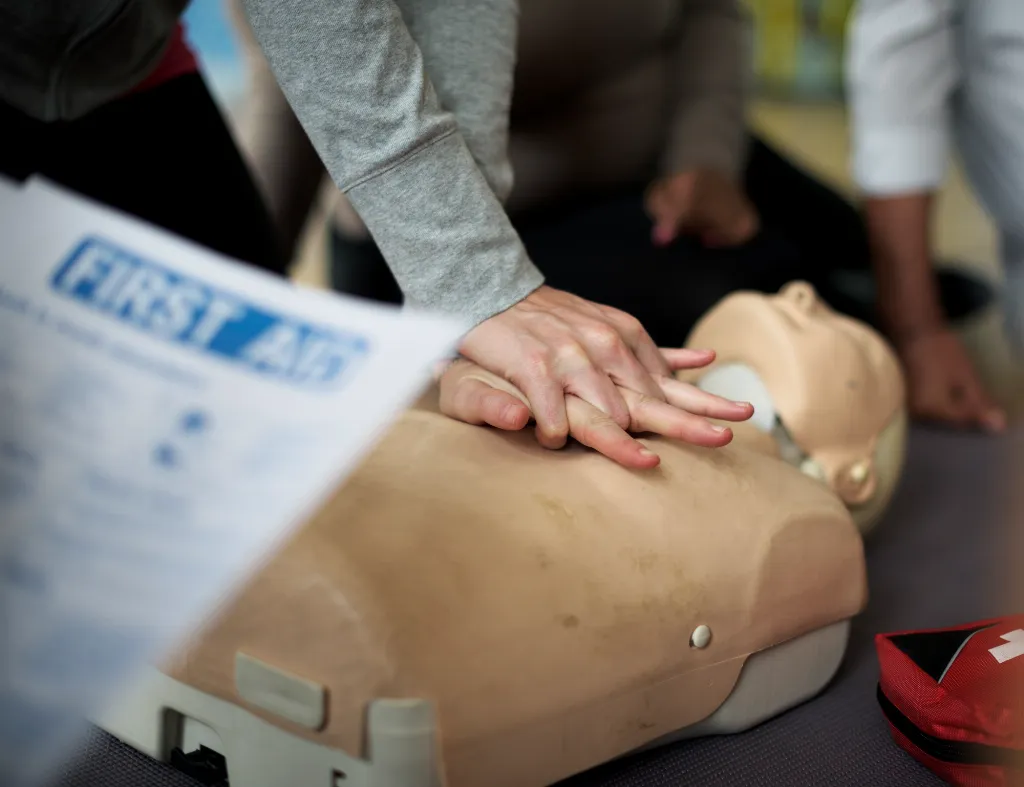
🔹 Practice compressions on a manikin: Use an adult CPR manikin so staff learn proper depth and rate. See options like the Prestan manikin for skills practice.
🟣 Do single-skill drills: 2 minutes of compressions,2 rescue breaths. Repeat several times. This follows the blended training model many centers use; ChildCareEd explains the blended format in Preparing for your First Aid & CPR Training.
🔸 Choking practice: Have staff practice back blows and abdominal thrusts on a training manikin or with clear demo steps. Pair learners so one practices and one times and coaches.
⚪ Teach AED basics: Show how to turn it on, place pads, and follow prompts. Use photos or a training AED if available.
🔹 Quick video + skills check: Have staff watch a short clip, then immediately practice the moves for better memory.
Cite a local class or run an on-site skills check. ChildCareEd offers blended and in-person classes that match childcare needs—see Adult Only CPR AED and First Aid Buy Now $85.00$80.00 and Pediatric Blended First Aid & CPR/AED Buy Now $85.00$80.00.
How can simulation and scenario practice make first aid stick?
Simulation helps adults connect skill to real work. When a training looks like real life, learners remember it better. Use these steps to build strong simulations.
Create short scenarios (3–5 minutes each) Example:
- A child with a deep cut on the playground or an adult who collapses at a field trip.
Have one person play the responder, one call 911, and one act as the observer.
Use moulage or props:
- Small fake blood or a bandage can make the scene feel real.
Stanford explains moulage and simulation tools that increase realism in medical training (Stanford simulation resources).
Practice teamwork:
- Scenarios should include handing off tasks (who calls 911, who gets the AED, who comforts the child).
This builds clear roles for your team.
Repeat with feedback:
- After each run, give 2 positive notes and 1 place to improve. Adults learn fast from short, kind feedback.
Rotate roles. Let everyone practice leading, supporting, and observing. Observers can use a simple checklist to note steps missed.
Why simulation helps: It teaches problem solving, not just steps. For more ideas on training tools and manikins, see the resources page about manikins and training supplies like the Prestan manikin.
What low-tech and classroom activities help adults learn first aid?
You don’t need fancy gear for good learning. Low-tech activities help groups learn together and are great for staff meetings.
🟡 First aid kit scavenger hunt: Put items in a kit and have teams list uses. This helps staff know what goes where. ChildCareEd has a guide for building kits: Building a Comprehensive First Aid Kit. The Red Cross also lists kit basics (Make a First Aid Kit).
🔸 Role-play with scripts: Give short scripts for common calls—bleeding, burns, allergic reaction. Practice saying exact steps and phone words for 911.
🔹 Quick quizzes and true/false games: Use quiz rounds to reinforce steps and local rules. Keep them short and fun.
⚪ Chart the steps: Have staff write one-line checklists for CPR, choking, and bleeding. Post the charts in the staff room.
🟣 Teach-and-coach pairs: One staff member teaches a small skill to a partner, then switches. Teaching helps the teacher learn better.
For lesson ideas and classroom activities, see ChildCareEd’s Fun Ways to Teach First Aid Buy Now $0.00.
How do I run a training session that meets licensing and center needs?
Good training fits your staff, your schedule, and your rules. Follow these steps to plan and avoid common mistakes.
🔸 Check required topics and who needs certification state requirements vary - check your state licensing agency. Use ChildCareEd’s training lists to match staff needs (Workforce Qualifications & Training Buy Now $0.00).
🔹 Choose blended or in-person: Blended learning pairs online lessons with a hands-on skills check. Read how to prepare staff in Preparing for your First Aid & CPR Training. ChildCareEd offers both blended and in-person classes that work for centers (Adult Only, Pediatric Blended).
⚪ Schedule short practice sessions: 20–30 minutes monthly keeps skills fresh. Adults learn by doing and repeating, which fits adult learning principles (Adult learning principles).
🔸 Keep records: Document who trained, date, and certificate copies. This helps with licensing checks and staff turnover.
🟣 Common mistakes and how to avoid them:
- Waiting too long between practices — fix with short monthly drills.
- Too much lecture — add more hands-on practice.
- No feedback — use quick warm, specific feedback after each drill.
If you need full course materials, ChildCareEd offers instructor-led classes and ready-made lesson ideas to save time and keep quality high.
Conclusion and FAQs
Conclusion: Simple, repeated practice builds confident staff. Mix hands-on manikin drills, short scenarios, and low-tech games. Keep practice short and on the schedule. Use official classes when staff need certification. For more ideas and printable resources, visit ChildCareEd’s resources pages (Adult First Aid Only - Blended, Adult Only CPR AED and First Aid).
FAQ:
Q: How often should staff practice? A: Short drills monthly and a full skills check every 6–12 months. Keep certificates current.
Q: Do we need training for infants and children? A: If you care for kids, yes. Use pediatric classes like the ChildCareEd pediatric blended course (Pediatric Blended First Aid & CPR/AED).
Q: Can we run training in‑house? A: Yes. Use a certified instructor or a recognized blended program. ChildCareEd’s instructor-led or blended options can help.
Q: What should a first aid kit include? A: Follow the ChildCareEd kit guide and Red Cross list for basic supplies (ChildCareEd kit guide, Red Cross kit).
Q: Where do I find training that meets licensing? A: Look for programs approved for childcare licensing. ChildCareEd notes many approvals and state coverage in their program descriptions.
Stay practical, keep practice short and regular, and build confidence through clear feedback and simple scenarios. Your team will thank you — and so will the children in your care.
- Adult/Child/Infant CPR AED and Adult First Aid Blended
- Basic Life Support (BLS) In-Person Healthcare Providers
- Adult Only CPR AED and Adult First Aid Blended
- Pediatric Blended First Aid & CPR/AED Adult, Child, Infant
- Pediatric RSV First Aid & CPR/AED
- Pediatric In-Person First Aid & CPR/AED Adult, Child, Infant
- Adult First Aid Only - Blended
- Texas Director Credential
- Pediatric and Adult First Aid and CPR Certification
- Preparing for your First Aid & CPR Training
- CDA Certification en Español: Recursos y Consejos para Educadores Bilingües
- ¿Cómo puedo usar escenarios de juego de roles de primeros auxilios en mi aula?
- ¿Cómo pueden los equipos de cuidado infantil practicar habilidades rápidas de primeros auxilios en situaciones reales?
- ¿Cómo puedo enseñar habilidades de primeros auxilios con escenarios de juego de roles?
- ¿Cómo solicito la licencia para una guardería en California?
- Regulaciones de Licenciamiento de Cuidado Infantil en California para Centros y Hogares de Cuidado Infantil Familiar
- Lista para Guardería en Casa en Illinois: Cómo Iniciar una Guardería en el Hogar
- Lista para Guardería en Casa en Texas: Cómo Iniciar una Guardería en el Hogar
- Daycare Jobs in Georgia: How Old Do You Have to Be?
- Superhero Activities for Preschoolers: Play, Create, and Learn
- California Home Daycare Licensing Standards
- Connecting Generations: Activities for Preschoolers and Seniors
- Why Do the Best Kids' Movies Work for Grown-Ups Too?
- First Week of Preschool Lesson Plans: 5 Days of Easy Activities and Routines
- Pediatric First Aid for Teachers: Are Your Skills Still Fresh When an Emergency Happens?
- Help or Step Back? First Aid Scenarios That Teach Students Their Safety Limits
- Texas Home Daycare Minimum Standards: Which Rules Apply to Your Type of Home?
