Feeding infants and toddlers involves understanding each child’s needs, planning safe routines, and communicating with families. ChildCareEd’s CDA Infants/Toddlers: Smart Nutrition & Feeding  Buy Now $24.00 course helps educators explore young children’s nutritional needs and develop age-appropriate feeding schedules. This guide brings those priorities into everyday care with practical ideas for feeding routines, food safety, bottle cleaning, family partnerships, and calm mealtimes. Use it to help staff coordinate care and respond thoughtfully to children’s changing needs. Review your state licensing requirements and each child’s individual feeding plan as you develop your program’s procedures.
What are the basic nutrition needs and feeding schedules for infants and toddlers?
2. When to start solids: Most babies are ready near 6 months when they can sit with support and hold their head up. Offer iron-rich purees and soft foods first. For safe timing and textures, see From Bottles to Bites and CDC guidance on complementary foods (CDC Foods & Drinks for 6–24 months).
3. Typical routine: Follow feeding cues, but a simple schedule to aim for is: 1) infants feed every 2–3 hours; 2) older infants and toddlers usually move to 3 meals + 2–3 snacks per day. For amounts and timing see the CDC page on how much and how often to feed.
4. Track and share: Keep a short log (time, amount, notes). Numbered notes help staff and families stay on the same plan. Include any medical or cultural feeding preferences. state requirements vary - check your state licensing agency.
How can we keep mealtimes safe and prevent choking or allergy reactions?
2. Prepare food safely:
- 🍽️ Cut round foods (grapes, cherry tomatoes, hot dogs) into tiny pieces or mash them.
- 🔪 Cook hard veggies until soft and slice into small bites for toddlers.
- 🛑 Avoid whole nuts, large chunks, hard candy, and honey for children under 1 year.
3. Allergy steps:
- 🩺 Keep an allergy list in the kitchen and classroom.
- 📋 Read labels every time you serve packaged food.
- 🚫 Stop shared food when a child has a serious allergy; post action plans where staff can see them.
4. Be ready: Train staff in choking response and pediatric first aid. Keep emergency meds and plans posted.
Common mistakes and how to avoid them:
- ❌ Serving large, round pieces. Fix: cut or mash. (See CDC choking info.)
- ❌ Letting children eat while walking or lying down. Fix: make mealtime calm and seated.
- ❌ Changing staff routines. Fix: use a short checklist so everyone follows the same steps.
How should we prepare, store, and clean bottles, formula, and pump parts?
1. Clean after every use: Take bottles apart, rinse, and wash in hot soapy water or a dishwasher. Let parts air-dry. The CDC and ChildCareEd give exact steps; see ChildCareEd cleaning tips and CDC pump cleaning resources (CDC Breastfeeding Guidance).
2. Sanitize when needed: For very young, premature, or medically fragile babies, sanitize by boiling or using a dishwasher sanitizing cycle.
3. Formula and milk safety:
- 🍼 Use ready-to-feed formula if possible. Label and date all expressed milk and prepared bottles.
- 🧊 Store times: Follow recommended limits—use prepared formula and breast milk within the safe windows. Throw away leftover milk after a feeding.
- ⚠️ Never microwave bottles. Warm safely in warm water and test before feeding.
4. Pump parts: Wash after each use and sanitize daily for high-risk infants. Keep spare parts and a checklist so staff do not skip steps.
How do we support responsive feeding, family-style meals, and work with families?
1. Practice responsive feeding: Watch hunger and fullness signs. Use short prompts like: “Are you still hungry?” Let children decide #howmuch to eat. ChildCareEd explains cues and responsive steps in its infant feeding guides (see feeding cues).
2. Try family-style safely:
- 🍽️ Start with one meal a week and train staff.
- 👧👦 Use child-sized bowls and utensils; adults sit and model serving and polite talk.
- 🔒 Keep allergy-safe equipment and cut food small for toddlers.
Family-style helps self-regulation, motor skills, and social language. For details see ChildCareEd’s article on family-style meals (Family-Style Meals).
3. Engage families:
- 📣 Send one short note about what you’re trying and why.
- 🍎 Offer a simple take-home taste or a 2-step recipe and ask families to share their favorites (see family engagement tips). For programs sharing recipes, consider seasonal, low-sugar ideas families can try at home; our roundup of festive, low-sugar toddler recipes offers simple, child-tested options: festive, low-sugar toddler recipes.
- 🤝 Respect culture and preferences; invite recipes and food traditions.
4. Track progress with small steps: pick 1 goal (e.g., try family-style once) and measure one simple outcome each week. state requirements vary - check your state licensing agency.
Conclusion and FAQ
Conclusion: 1) Keep feeding plans clear and written. 2) Make safety routine: watch, cut foods, post allergy plans, train staff. 3) Clean and store bottles per guidance. 4) Use responsive feeding and try family-style when safe. Small, steady steps help staff, children, and families.
FAQ:
- Q: When should solids start? A: Around 6 months when baby shows readiness signs. See CDC and ChildCareEd guides.
- Q: How often do infants eat? A: Typically every 2–3 hours; older infants/toddlers move to regular meals plus snacks.
- Q: Can we do family-style with toddlers? A: Yes if foods are cut safely and staff supervise. See ChildCareEd family-style article.
- Q: Where do staff get more training? A: ChildCareEd courses like "The First Year: Feeding Infants" and "Nutrition Essentials for Child Care Providers" are helpful.
Key takeaways: Be consistent, keep children #safe, work with families, and celebrate small wins. Your steady care shapes healthy habits for life.
1. Start with milk: For 0–6 months, breastmilk or formula is the main food. Offer feeding on cue and keep a written plan for each child. See practical steps in the ChildCareEd feeding guide. #infants #toddlers #nutrition1. Supervise and seat: Always watch children while they eat. Keep infants upright in a safe seat. The CDC lists ways to avoid choking and what foods to skip; see Choking Hazards.
- CDA Infants/Toddlers: Abuse and Neglect Reporting Requisites
- CDA: Special Needs: Understanding the Whole Child
- 45-Hour Infant and Toddler Curriculum
- CDA Infants/Toddlers: Classroom Setup
- Texas Director Credential
- CDA Infants/Toddlers: Brain Development and Gene Expression
- CDA Infants/Toddlers: Stages of Development
- CDA: Stand With Respect and Professionalism
- CDA Infants/Toddlers: Smart Nutrition & Feeding
- The First Year: Feeding Infants
- National Nutrition Month #HealthConscious #LivingHealth
- Recursos en Español sobre el Sueño Seguro del Bebé
- How can Michigan daycares teach healthy eating habits to toddlers?
- What Does the Free School Meals Debate Mean for Child Nutrition in North Dakota?
- How Can Child Care Providers Support Infant Brain Development?
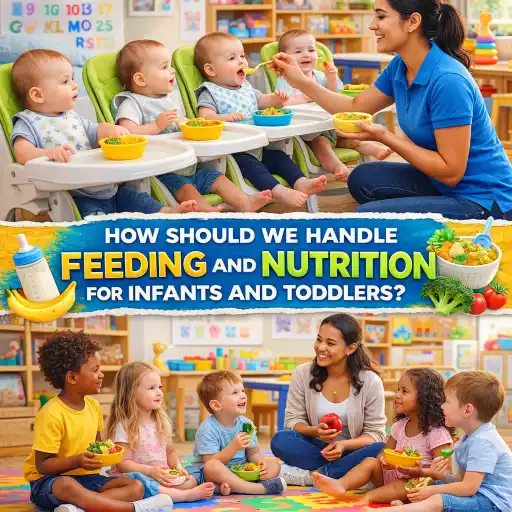
- How should we handle feeding and nutrition for infants and toddlers?
- How can Georgia infant and toddler classrooms use the Watermelon Wake-Up Call to prevent choking?
- Snack Time in Daycare: Healthy Foods and Safety Tips
- How can child care programs handle picky eaters without mealtime battles?
- How Can Child Care Providers Introduce Simple Routines to Infants and Toddlers?
- How can child care programs ensure safe food preparation and mealtimes?
- How can child care providers support children with feeding difficulties?
- How can child care programs build healthy eating habits that last?
- Infant Classroom Schedule: A Flexible Daily Routine for Feeding, Naps, Play, and Care
- Mixed-Age Daycare Schedule: How to Plan a Day for Different Age Groups
- Daycare Infant Room Schedule: How Do You Manage 6 Babies on 6 Different Routines?
- Nursery Snack Ideas by Age: What Can Babies, Toddlers, and Preschoolers Safely Eat?
- How Can Child Care Providers Support Safe, Responsive Infant Feeding?
- How Can Child Care Providers Strengthen Food Safety Practices?
- What Should Be Included in an Infant Daily Schedule?
