Good meal plans help children grow, learn, and stay healthy. This short guide is for child care providers and directors in #NorthDakota who plan meals, follow rules, and work with families. You will find clear steps, easy tools, and links to helpful resources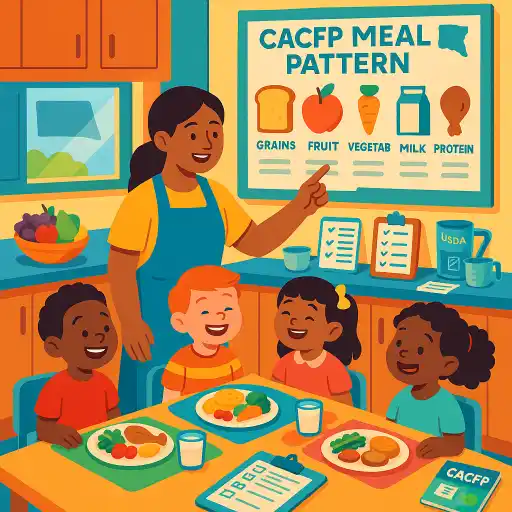 from ChildCareEd and North Dakota agencies. Remember: state requirements vary - check your state licensing agency.
Why does good nutrition and meal planning matter for our program?
2. Rules keep everyone safe: Following standards like Caring for Our Children helps you meet health and safety expectations.
3. Money and support: Joining the Child and Adult Care Food Program (CACFP) can bring reimbursement and menu guidance to your center.
4. Families trust programs that plan well. Involving families builds better habits at home and in care. See ideas from ChildCareEd.
Why it matters: Good menus are simple, repeatable, and flexible. They make shopping easier, save time, and keep children safe from allergies and food-related sickness.
How do we join CACFP and get help in North Dakota?
- 📞 Contact the State Agency: The North Dakota Department of Public Instruction (NDDPI) runs CACFP in the state. They explain rules and forms.
- 📝 Work with a sponsor if you are a family child care; see local sponsors like SENDCAA and other sponsors in North Dakota.
- ✅ Attend training and complete applications. Sponsors and NDDPI offer training on menu planning, recordkeeping, and monitoring visits.
- 📊 Keep daily menus and attendance records. Use templates like the Sample Weekly Menu Buy Now $0.00 and the Meal/Menu Planner Template Buy Now $0.00.
Tip: Many sponsors provide forms and checklists. See SENDCAA CACFP Forms for sample meal count sheets and handbooks.
What simple steps make menu planning easier and CACFP-compliant?
2. Follow food groups and portions: Aim for fruits, vegetables, whole grains, proteins, and dairy. Learn MyPlate ideas in the course On My Plate  Buy Now $24.00.
3. Use templates and shopping lists:
- 🧾 Use the weekly planner template Buy Now $0.00.
- 📦 Make a grocery list by week to reduce waste and save money.
4. Check nutrition rules: CACFP meal patterns set what counts as a reimbursable meal. Link your menu to those patterns and keep records.
5. Sanitation and storage: Follow safe food handling and storage. University guidance, like UND sanitation rules and local public health, helps keep food safe.
How do we handle infants, allergies, and food safety at mealtimes?
1. Infants need special care: For 0–6 months, breastmilk or formula is the main food. Introduce solids around 6 months. See Nutrition Guidelines for Infants and practical feeding tips in How should providers handle feeding?
- 🧴 Clean and label bottles and pump parts. Follow CDC-style cleaning and store milk safely.
- 🍯 Avoid honey for infants under 1 year. Delay cow's milk until the age recommended by guidance.
2. Prevent choking and manage allergies:
- 🔪 Cut foods like grapes and hot dogs into small pieces. Remove choking hazards.
- ⚠️ Keep an allergy list in the kitchen and classroom and post action plans.
- 🩺 Train staff in first aid and epinephrine use when required.
3. Cleaning and storage:
- 🧼 Wash dishes and sanitize work areas between meals.
- 🥶 Refrigerate leftovers and dated items. Follow safe times for prepared formula and breastmilk.
How can we use family-style meals, involve families, and avoid common mistakes?
1. Why family-style works: It teaches self-help, social skills, and listening to hunger cues. Read ideas in Family-Style Meals.
2. Steps to start family-style safely:
- 👩🏫 Train staff on supervision, serving steps, and responsive language.
- 🍽️ Use child-sized tools, scoops, and pitchers. Keep separate items for children with allergies.
- 🔪 Prepare age-safe pieces and avoid round, hard, or sticky foods for toddlers.
3. Involve families:
- 📣 Send short notes or photos about the new routine and a simple home activity from ChildCareEd family engagement.
- 👨👩👧👦 Invite recipes and cultural foods so menus feel familiar. For holiday and seasonal menus, consider adding festive, low-sugar toddler recipes to family nights — see toddler-friendly holiday recipes that limit added sugars.
4. Common mistakes and how to avoid them:
- ❌ Mistake: No written menus. Fix: Use a planner and post menus weekly.
- ❌ Mistake: Inconsistent portion sizes. Fix: Train staff and use standard measures.
- ❌ Mistake: Skipping allergy checks. Fix: Read labels every time and update forms.
Conclusion and FAQ
1. Quick to-do list for tomorrow:
- 📝 Post a 1-week menu using the ChildCareEd planner.
- 📞 Call your CACFP sponsor or NDDPI for next steps.
- 👩🏫 Hold a 10-minute staff huddle on safe serving and allergies.
2. Helpful links: North Dakota CACFP guide, sample menu Buy Now $0.00, and family engagement tips here.
FAQ (short answers):
- Q: Do we have to follow CACFP? A: Only if you enroll, but CACFP guidance helps make healthy, reimbursable meals.
- Q: Where do I find menu templates? A: ChildCareEd has free templates like the Weekly Planner Buy Now $0.00.
- Q: How often are monitoring visits? A: Sponsors and the state do scheduled reviews; keep records ready.
- Q: Who trains staff on nutrition? A: Sponsors, NDDPI, and ChildCareEd courses such as Nutrition Essentials Buy Now $16.00.
Use small steps and the links in this guide to build menu plans that protect children and support families. Your work matters: healthy meals help kids learn, grow, and thrive.
1. Healthy food fuels learning: Children who eat well have more energy, fewer sick days, and better focus. 1. Use a 4-week rotating menu: It saves time and keeps meals balanced. ChildCareEd offers a Sample Weekly Buy Now $0.00Menu Buy Now $0.00. 1. Check eligibility: Many centers and family homes qualify. For details, see North Dakota and the CACFP.- North Dakota and the Child and Adult Care Food Program
- CDA Certification en Español: Recursos y Consejos para Educadores Bilingües
- North Dakota Child Care Rule Updates: How to Participate and How to Prepare Your Program
- Lista para Abrir una Guardería en Casa en Dakota del Norte: Cómo Empezar
- Cómo Ser Maestra de Preescolar en Dakota del Norte
- Capacitación Previa al Servicio para Proveedores de Cuidado Infantil en Dakota del Norte
- Las Mejores Ideas de Excursiones para Guarderías en Dakota del Norte
- Child Care Resource Center in North Dakota: What Is It and How Can It Help?
- How can North Dakota childcare programs plan healthy meals and follow CACFP?
- How does ChildCareEd support family childcare providers in small North Dakota towns?
- How can North Dakota childcare providers build trust with skeptical parents?
- How Do I Become a Child Care Director in North Dakota?
- What Does the Free School Meals Debate Mean for Child Nutrition in North Dakota?
- How can North Dakota child care programs make the most of CACFP for healthy meal planning?
- How can North Dakota providers stretch food costs with CACFP?
- How can SUN Meals and CACFP keep North Dakota children fed all summer?
- How can my North Dakota program make the most of food programs like CACFP?
- How can North Dakota fill the gap for school-age children before and after school?
- How do I open a licensed group child care home in North Dakota?
- How Can Simple Cooking Activities Teach Skills in North Dakota Child Care Programs?
