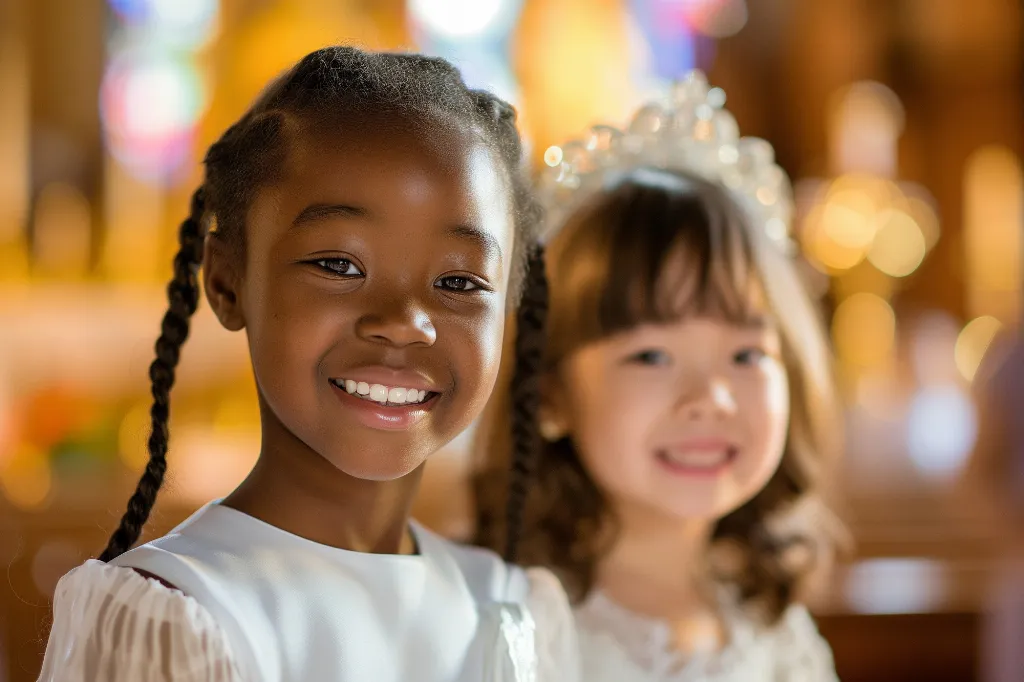
 Culture touches every part of early care. It shapes how children speak, play, feel, and learn. Children bring their home language, family routines, values, and traditions with them into the classroom. When teachers understand and respect those parts of a child’s life, children often feel safer, more confident, and more ready to learn. Your draft centers on that message and explains that children do best when their home ways are valued in the program.
Culture also helps children build identity. Family stories, food, music, and the way adults talk about feelings all shape how children see themselves. It can also shape how they join a group, solve problems, and respond to learning. Your draft also notes that some families may value independence, while others may focus more on cooperation. Both can be strengths in the classroom.
When programs connect learning to children’s real lives, children often show stronger social skills, better behavior, and more joy in learning. Inclusive early education can also build belonging and help reduce inequality. #Culture #Inclusion #ChildDevelopment
How does culture show up in children’s learning and behavior?
Culture often shows up in small, everyday ways. Your draft points to how children talk, play, solve problems, and express feelings. These behaviors may look different from one child to another, but different does not mean wrong. It simply gives teachers more information about the child and family.
You may notice culture in:
- the kinds of play children choose
- the way children join group activities
- how children speak with adults
- how openly children show emotions
- how children solve problems or ask for help
For example, one child may watch quietly before joining in. Another may speak up right away. One child may be encouraged to share feelings openly, while another may be taught to stay calm and quiet. These are not classroom problems by themselves. They are clues that can help teachers respond better.
A strong first step is to ask families about routines, language, and expectations at home. Then observe patterns across several days instead of making quick judgments.
How can teachers make the classroom more culturally responsive?
A culturally responsive classroom helps children see their home life reflected in the program. Your draft recommends simple, practical steps that teachers can use every day.
Helpful ideas include:
- display family photos
- add labels in children’s home languages
- use books and images that show different cultures and family types
- invite families to share songs, foods, stories, or traditions
- learn simple greetings in home languages
- explain classroom routines respectfully when they differ from home routines
These steps help children and families feel welcome. They also give teachers better tools for planning activities that connect with children’s real lives.
A useful ChildCareEd resource for this topic is Culture in Our Classroom Buy Now $0.00, which encourages children to share their backgrounds and practice respect, listening, and kindness.
How do family partnerships support learning?
Family partnerships are one of the strongest parts of culturally responsive care. Your draft explains that teachers should work with families, not just around them. That means asking families about their routines, inviting them to share ideas, and using that information in the classroom.
Programs can build stronger partnerships by:
- asking open questions
- listening without judgment
- using interpreters or bilingual staff when needed
- sharing progress in simple ways
- making room for family voices in planning
When families feel respected, they are more likely to trust the program. That trust helps children too.
A related ChildCareEd article that fits this topic well is How Can Culture Affect A Child’s Development?. It explains that culture shapes how children learn, think, and behave, and it connects that idea to more inclusive classroom practice.
What ChildCareEd courses can help staff learn more?
Staff training can help programs move from good intentions to everyday practice. Your draft mentions cultural competence, planning, and reflection as important parts of staff growth.
Two ChildCareEd courses that fit this topic well are:
- Strength in Differences: Cultural Diversity
- From Play to Planning: Building Culturally Competent, Child-Centered Curriculum
These courses are a strong match because ChildCareEd says they help educators promote cultural diversity, support inclusion, and build child-centered curriculum in culturally competent ways.
Another helpful option is Cultures in the Classroom, which ChildCareEd says helps providers celebrate culture and diversity in the classroom and foster acceptance among children.
What common mistakes should caregivers avoid?
Your draft points out several common mistakes that can make cultural support weaker instead of stronger.
These include:
- assuming one cultural rule fits every family
- using only the program language and ignoring the home language
- treating culture like a once-a-year event
- not training staff on bias and reflection
These mistakes can usually be avoided with simple changes. Teachers can ask more questions, use home language supports, include culture in everyday routines, and give staff time to reflect and learn.
A helpful related ChildCareEd article here is Culturally Sensitive Classrooms, which shares practical ideas for creating classrooms that are welcoming and inclusive for all children.
What are the best next steps for a program?
Your draft ends with a simple action plan, and that is a strong way to begin.
A program can start by:
- adding one family photo to the room
- putting up one label in a home language
- asking one family to share a song or story
- planning one short staff discussion on culture and learning
- choosing one training course for the team
These steps are small, but they can lead to meaningful change over time.
What is the main takeaway?
Culture is not extra. It is part of how children learn, behave, and build identity. When teachers listen to families, respect home language, and make classrooms more welcoming, children often feel safer and more ready to learn. Your draft makes this message clear: honoring culture helps children, strengthens family ties, and supports inclusion across the program.
Helpful ChildCareEd links for this topic
Related Courses
- Strength in Differences: Cultural Diversity
- From Play to Planning: Building Culturally Competent, Child-Centered Curriculum
Related Resource
Related Article
- 45 Hour Child Growth and Development
- Roots & Resilience: Understanding What Shapes a Child
- CDA Subject Area 8
- 24 Hour Texas Pre-Service
- Texas Director Credential
- CDA Infants/Toddlers: Brain Development and Gene Expression
- CDA Infants/Toddlers: Stages of Development
- 45 hour Growth and Development Birth-age 12 ONLINE
- CDA Home Visitor Subject Area 8 Part 1 Birth to 5
- CDA Council's Early Educators Leadership Conference
- Tiny Tots, Big Learning: Crafting Curriculums for the Littlest Learners!
- CDA Certification en Español: Recursos y Consejos para Educadores Bilingües
- Can Continuing Education in North Dakota Directly Impact Child Outcomes?
- 🍑 ¿Qué capacitación requiere DECAL cada año para el personal de cuidado infantil en Georgia?
- How can New York childcare workers help children build a strong sense of identity in a big city?
- How Culture Shapes a Child’s Holistic Development
- How can we build strong professional development for early educators?
- How Family Background Influences Babies’ and Children’s Development
- How can childcare programs meaningfully explore Japanese culture with young children?
- How can child care programs support immigrant and multilingual families?
- How can I create classroom traditions that children remember for years?
- How Can You Tell If an Activity Is Developmentally Appropriate?
- What Is the Difference Between Early Childhood Education and Child Development?
- How Can Developmentally Appropriate Practice Guide High-Quality Care and Learning?
- How Can Child Care Providers Support Preschool Development?
- What Is Developmentally Appropriate Practice—and What Does It Look Like?
- How Can Daycare Leaders Foster a Positive Work Culture Among Teaching Staff?
- How Can You Correct a Mistake in a Family Update Without Damaging Trust?
