Running a tornado drill with very young children can feel hard. This guide helps Michigan child care leaders and teachers plan drills that keep kids safe and calm. Use short steps, familiar words, and quick practice. State requirements vary - check your state licensing agency. We use simple routines you can teach and repeat. Pair preparedness actions with local advocacy — see Advocacy and Preparedness: The keys to protecting our Children for practical strategies programs can use to influence policy and improve readiness. Use these tips to protect #tornado #toddlers #preschoolers #drill #safety.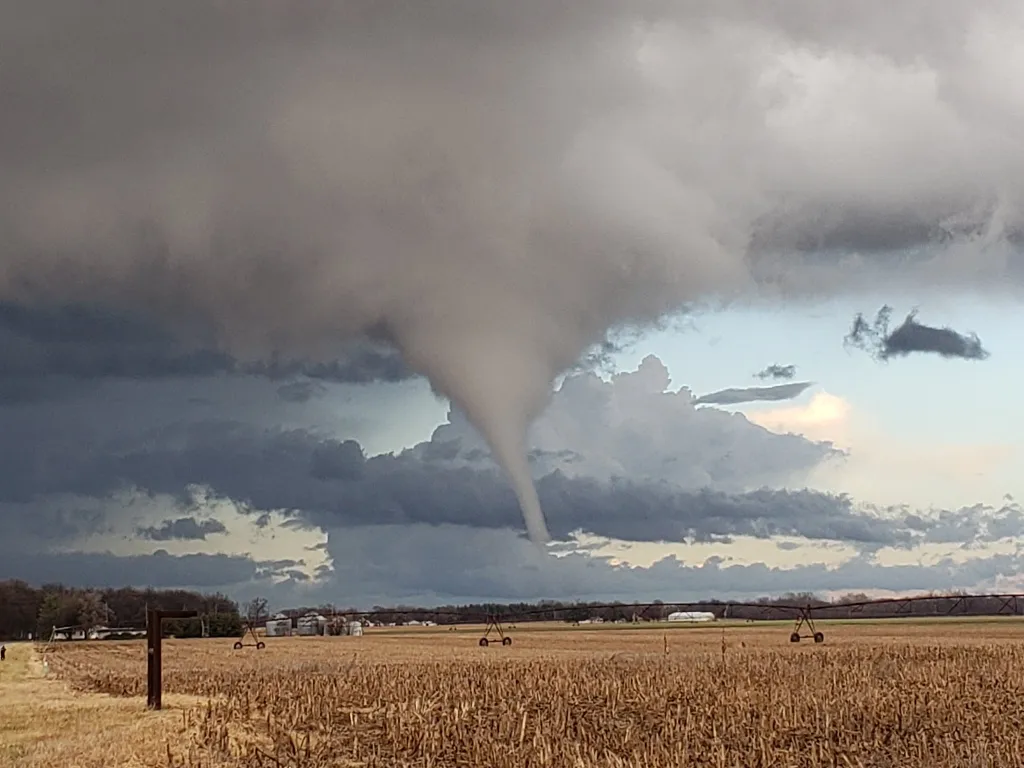
Why should we practice tornado drills in our program?
1. Children learn habits when adults stay calm and steady. Calm practice lowers fear and raises safety. See ideas from ChildCareEd on why preparedness matters in child care in Emergency Preparedness in Child Care.
2. Families trust programs that are ready and can explain plans quickly. Share your plan with families before drills and after real events. ChildCareEd suggests clear family messages in From Tornadoes to Lockdowns.
3. Practicing builds staff confidence. Train roles and use a checklist so everyone knows what to do. ChildCareEd training, such as Emergency and Disaster Preparedness  Buy Now
 $55.00$45.00, helps staff learn duties.
4. Know local alerts and warnings. Use NOAA weather radio or Wireless Emergency Alerts as CDC recommends — see CDC Tornado Safety.
Keep it short and simple. Young children need 2–3 minute practices more than long drills. Document drills: date, time, who practiced, and notes.
How do I plan a drill that toddlers and preschoolers understand?
1. Use calm, tiny words. Say: "We practice going to our cozy spot." Avoid scary words. Offer a comfort item during practice.
- 🙂 Practice with a song or short cue so kids know the signal.
- 🎒 Prepare a go-kit: class roster, meds, flashlight, comfort items. ChildCareEd lists go-kit ideas in From Tornadoes to Lockdowns.
- 🧑🏫 Assign roles: who leads each group, who checks attendance, who grabs the kit.
2. Use play and books. Read a short weather story and then practice. The Red Cross "Prepare with Pedro" has K–3 resources you can adapt: Prepare with Pedro.
3. Tell families ahead of time and after drills. A quick message reduces surprises. State requirements vary - check your state licensing agency.
Where should we go and what should the staff do during the drill?
1. Numbered steps for staff (post near exits):
- 🔔 Hear the cue: lead children calmly.
- 🚶 Walk in line to the safe spot. Use walking ropes or hand-holding for toddlers.
- 📋 Take attendance right away. Use your roster from the go-kit.
- 🧸 Comfort the children: quiet song, soft toy, or a blankie.
- 📣 One staff member communicates with the director and documents the drill.
2. Time the drill. Keep it under 5 minutes. Short drills keep attention and teach muscle memory. ChildCareEd’s drill tips are useful: Creating and Practicing Safety Protocols.
3. Consider SRP language for older preschoolers. The Standard Response Protocol provides clear action words — see SRP guidance.
How do we support children and families after drills or real storms?
1. Talk simply and reassure. Say: "We practiced and we are safe now." The CDC suggests age-appropriate talk and routines — see Before, During, and After an Emergency.
2. Watch for signs of worry: trouble sleeping, clinginess, new fears. If concerns continue, consult a specialist. Resources like the Pyramid Model list help for behavior and coping — see Helping Children and Families Cope.
3. Document and improve:
- 📅 Record each drill: who, when, what worked.
- 🛠️ Fix problems: stuck doors, missing supplies, or unclear roles.
- 🔁 Practice again after updates.
4. Communicate with families: brief note with what happened, how children were supported, and tips for home practice. ChildCareEd suggests clear family messages in Emergency Preparedness Plans.
5. When to get extra help: repeated panic that does not ease, hurting self or others, or big changes in behavior. Consider mental health support and document patterns first.
Common mistakes — how to avoid pitfalls?
- ❌ Surprising families with unannounced drills. ✅ Tell them ahead of and after.
- ❌ Using scary language. ✅ Use calm, short phrases and play-based teaching.
- ❌ Long drills that lose attention. ✅ Keep drills very short for young children.
- ❌ No assigned staff roles. ✅ Post roles and practice them — see ChildCareEd staff role tips in From Tornadoes to Lockdowns.
Quick FAQ for busy directors
- Q: How often? A: Drill monthly during tornado season and short refreshers other months. ChildCareEd recommends regular practice (training Buy Now
$55.00$45.00). - Q: What if a child is very scared? A: Offer choices, a trusted adult, and a comfort item. Pause and give extra practice in small groups.
- Q: Who reunites children after a real event? A: Follow your written reunification plan and ID checks. ChildCareEd provides reunification guidance in From Tornadoes to Lockdowns.
- Q: What alerts should we use? A: NOAA weather radio, Wireless Emergency Alerts, and local county warnings (CDC: Tornado Safety).
Conclusion
1. Plan: pick safe rooms and post roles.
2. Practice: short, calm drills with simple routines.
3. Support: reassure children, tell families, and fix problems after drills.
Use ChildCareEd resources for templates and staff courses, CDC and Red Cross for tornado facts, and local alerts for real-time warnings. You are doing important work keeping your #toddlers and #preschoolers safe during tornado season in Michigan. State requirements vary - check your state licensing agency.
Why it matters:1. Pick one short routine. Example: "Listen → Walk → Huddle." Repeat it always. ChildCareEd recommends simple routines in How can we talk about tornado drills.1. Choose safe spots: interior rooms on the lowest floor, no windows, away from doors. CDC and Red Cross list good shelter places — see CDC Tornado Safety and Red Cross Tornado Tips.- 45 Hour Child Growth and Development
- How To Keep A Healthy Class for Infants/Toddlers
- 45 Hours Director-Administration ONLINE
- 45 Hour Preschool Methods and Materials
- CPR & AED Adult, Child, Infant - Blended
- Pediatric RSV First Aid & CPR/AED
- Texas Director Credential Renewal
- Texas Director Credential
- 45 hour Growth and Development Birth-age 12 ONLINE
- Recursos en Español sobre el Sueño Seguro del Bebé
- Capacitación en Salud y Seguridad Preventiva en Línea para Proveedores de Cuidado Infantil
- Illinois Licensing Standards for Child Care: A Guide for Day Care Centers and Day Care Homes
- Proporciones de Cuidado Infantil y Tamaños de Grupo por Edad en Virginia (Guía Rápida para Centros y Hogares)
- Lista para Guardería en Casa en Illinois: Cómo Iniciar una Guardería en el Hogar
- Lista para Guardería en Casa en Texas: Cómo Iniciar una Guardería en el Hogar
- In-Home Daycare Requirements in Illinois
- Celebrando la amistad en el cuidado infantil durante el Día de los Mejores Amigos
- How can we talk about tornado drills so Oklahoma preschoolers learn without fear?
- How can Michigan child care programs stay safe during severe weather with drills, shelter plans, and smart safety steps?
- How do I run a calm, safe tornado drill with toddlers and preschoolers in Michigan?
- How can Michigan providers help children stay calm during severe weather?
- Cómo simplificar la capacitación para sus empleados de daycare
- One Year After the Enderlin Tornado: How Can North Dakota Child Care Programs Be Better Prepared?
- Daycare Storm Safety: When to Shelter, Close, or Evacuate
- How can Michigan providers keep kids safe around the Great Lakes and backyard pools?
- How can Oklahoma providers turn tornado shelter drills into calm, child-friendly routines for toddlers?
- How do I write an emergency preparedness plan that meets Michigan licensing rules?
- How can we run fire and weather drills with young children safely and calmly?
- Weather Alerts and Child Care: How to Protect Children During Unsafe Conditions
