Everyday moments — arrival, snack, play, and clean-up — are rich opportunities to build children’s word knowledge and confidence. Short, warm exchanges add up: they give children context for new words, repeated practice hearing and using them, and a safe place to try language. Practical strategies from ChildCareEd emphasize talk during routines, interactive read-alouds, and playful language practice as core tools; see Simple Ways to Build Language Skills With Preschoolers Every Day and related training like Building Vocabulary  Buy Now $16.00.
Why it matters: early #vocabulary predicts later reading and classroom success, and everyday conversations are low-cost, high-impact ways to support learning. Research and practice resources — from the CDC to state literacy guidance — show that talk, story, and play in real routines build the language base children need for school. State requirements vary - check your state licensing agency.
1) How can everyday conversations actually teach new words?
- 📚 Name and describe in the moment: "You are pouring milk — the cup is cold." This ties words to actions and objects (how-can-we-build-early-literacy-skills).
- 🗣️ Follow the child’s lead and add one phrase: child: "truck" → adult: "Yes — a big red truck. It’s moving fast." Repeat across contexts to deepen learning (Promoting Language Development).
- 🎯 Pick 1–2 target words per day/week and weave them into routines and play; keep visuals or objects nearby so children touch and say the words (Building Vocabulary Buy Now $16.00).
Small, frequent #conversations beat occasional lessons: the repetition and meaningful context are what make words stick. Use gestures, props, and photos to support comprehension and memory (see dialogic reading guidance at Reading Aloud in Child Care).
2) What daily routines are best for intentional vocabulary teaching?
Routines are predictable, repeated, and low-pressure — ideal for teaching words. Try these numbered routines and quick scripts:
- 😊 Morning greeting (30–60 seconds): "Good morning, Ana! I see your backpack. Your backpack is blue."
- 🍽️ Snack talk (1–2 minutes): "We have apples and cheese. Which is crunchy?"
- 📦 Center labels: add simple labels and objects so print and words meet hands-on play (classroom supports). To deepen this practice, review ChildCareEd's guidance on Understanding Print Knowledge in Preschool to learn how to teach print conventions and letter awareness through labels and everyday routines.
- 📚 Transition read or rhyme: teach a short rhyme; repeat it across the week to build sound awareness and #readalouds skills (Boosting Language Through Play).
Why this works: routines provide multiple short "serve and return" interactions; each back-and-forth strengthens connections between words, meaning, and memory. Keep target words few and concrete, and bring them into different centers (blocks, dramatic play, art) to encourage transfer.
3) How do read-alouds and play deepen vocabulary beyond single words?
- 📘 Before reading: pick 1–2 new words to introduce with simple examples and gestures (best practices).
- 🎭 During reading: pause for quick prompts — "What do you think happens next?" — and let children respond; use dialogic reading to show them how to tell the story back (Story Times/Dialogic Reading).
- 🧩 After reading: act it out, retell in 3 steps, or place props in centers so children use book words in play (repeat and extend across days).
Evidence: books contain many words children don’t hear in everyday talk and provide concentrated exposure; reading aloud builds both vocabulary breadth and the ability to use words in context (Scholastic). Pair read-alouds with play to move words from hearing to doing.
4) How can we support multilingual children and involve families effectively?
- 🤝 Invite families to share favorite books, songs, or words and post simple bilingual labels in the classroom (family-language supports Buy Now $16.00).
- 🖼️ Use visuals, gestures, and objects so children can show understanding while building new vocabulary in English and their home language (Massachusetts literacy guidance).
- 📣 Encourage families to read one short page nightly or sing one song; share simple home activities and celebrate progress together (Talk, Read, and Sing resources Buy Now $0.00).
Research shows supporting the home language strengthens overall language and later English learning. Keep communication respectful and practical; share examples of what you observe and simple next steps. State requirements vary - check your state licensing agency.
5) How do I track progress and avoid common pitfalls?
Tracking can be light-touch yet meaningful. Use these steps and avoid common mistakes:
- 🔍 Set 2–3 measurable targets (e.g., 3 new words/week, one retell per child per week).
- 📝 Record quick notes or a photo in a simple weekly log and share highlights with families.
- 📆 Review monthly: celebrate gains and adjust targets or refer if growth stalls.
Common mistakes and fixes (quick list):
- ❌ Teaching too many words at once → ✅ Keep 1–2 targets and repeat them.
- ❌ Passive read-alouds → ✅ Use dialogic reading: ask, wait, expand.
- ❌ Keeping literacy only at circle time → ✅ Scatter labels, books, and talk across centers.
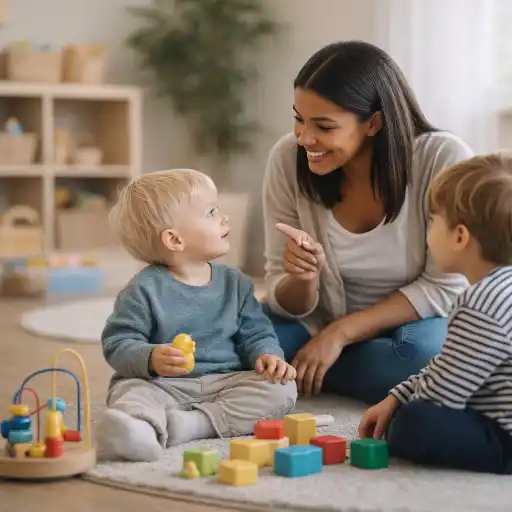
If you worry about a child’s progress, begin with a friendly family conversation, use brief screens, and refer to specialists when needed. Early action is powerful.
Conclusion
Everyday #conversations are the practical engine for building #vocabulary in your #preschool program. Keep moves small, consistent, and playful: name and describe in the moment, choose one or two words to teach and recycle them across routines, make read-alouds interactive, and partner with #families to extend learning at home. For ready-made lessons and deeper training, see ChildCareEd’s courses on Building Vocabulary Buy Now $16.00 and Language Development in Early Childhood Buy Now $16.00. You already do the most important work — talk often, make it joyful, and celebrate each small step forward.
Quick FAQ
- Q: How long should a vocabulary moment take? A: 30–90 seconds; many short moments beat one long lesson.
- Q: How many new words per week? A: 1–5 target words depending on age; fewer is better for deeper learning (resources).
- Q: What if children won’t answer? A: Offer choices, model phrases, use visuals, and give extra wait time.
- Q: Where to get more training? A: ChildCareEd courses and local early intervention resources; remember, state requirements vary - check your state licensing agency.
- Understanding Print Knowledge in Preschool
- CDA Home Visitor Subject Area 3 Part 3 Birth to 5
- CDA Home Visitor Subject Area 2 Part 3 Birth to 5
- Language and Literacy Foundations in Pre-K
- Pediatric RSV First Aid & CPR/AED
- CDA Bridge Bundle: Family Child Care without Portfolio Review
- CDA Bridge Bundle: Infant/Toddler without Portfolio Review
- CDA Bridge Bundle: Preschool without Portfolio Review
- Building Vocabulary
- Read Across America Day
- How to Foster Early Literacy Skills
- 👶 ¿Cuáles son las proporciones y grupos requeridos en Dakota del Norte? 🏫
- Curso de Comunicación de 9 Horas de Maryland
- How Do Early Language Skills Affect a Child's Success in School?
- How can everyday conversation in child care encourage early language development?
- Can we build early literacy skills through play in high-quality child care?
- How can child care programs build strong readers before kindergarten?
- How can we build strong vocabulary through everyday conversations in child care?
- How Can I Use Everyday Materials for Meaningful STEM Exploration in My Preschool Classroom?
- How Can Child Care Providers Support Language Development in Young Children?
- How Can Emergent Readers Support Vocabulary Growth?
- How Do Fruits vs. Vegetables Sorting Mats Build Healthy Eating Habits?
- How Can Bilingual Printables Help Spanish-Speaking Families Feel Included?
- How Can Teachers Build Early Literacy Without Screens or Worksheets?
- How Can Familiar Real-Life Processes Help Preschoolers Learn Sequence Words?
- How Can You Teach a New Word So Children Use It Beyond the Activity?
- What Questions Keep a Preschool Science Conversation Going?
- What Should You Do When a Toddler Invents Their Own Names for Classroom Objects?
- How Can Home-Language Words Enrich Shared Reading?
