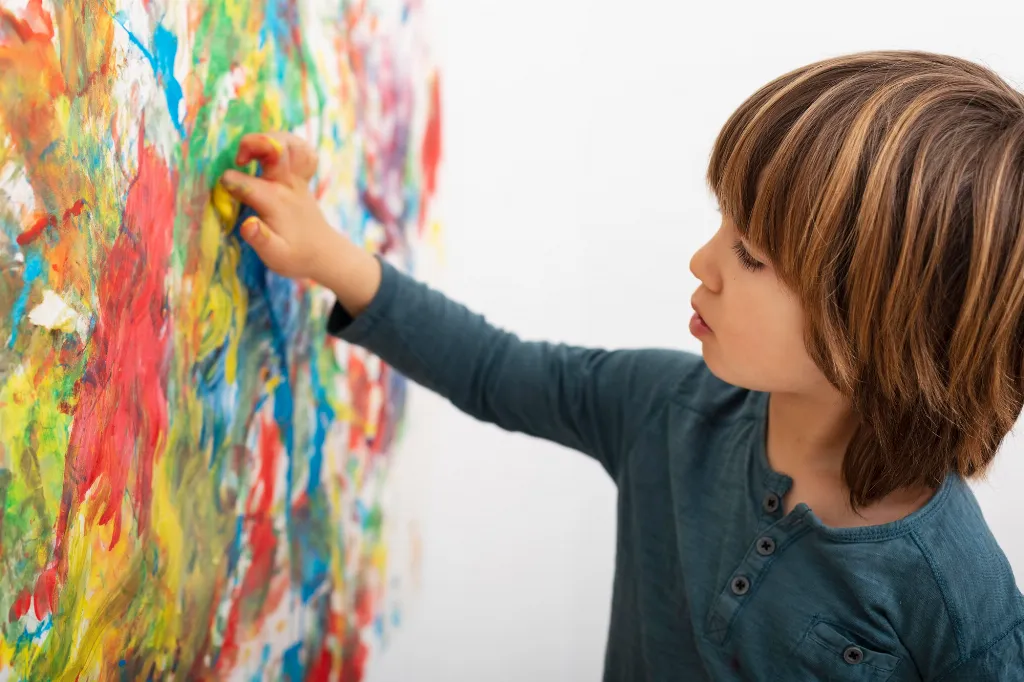
 Teaching #colors can still be fun and meaningful even when a child can’t see them. The key is to turn color into something your child can feel, hear, and connect to real life. When you use touch, sound, and feelings, you’re helping your child build a strong “color picture” in their mind using the senses they rely on most. #inclusion #parenttips
Why it matters:
-
Kids learn faster when they use more than one sense.
-
Multi-sensory learning supports language and emotional skills.
-
Inclusive strategies help children with visual or sensory differences join in with confidence.
For a simple overview of how children learn through senses, see this ChildCareEd article: https://www.childcareed.com/a/my-five-senses.html
Note: State requirements vary—check your state licensing agency before using food, scented items, messy play, or special equipment in a child care setting.
How do I explain colors without sight (in a way kids understand)?
Start with this kid-friendly idea:
“Colors are like clues.”
Some clues feel warm or cool. Some sound loud or soft. Some match a feeling, like calm or excited.
Use short, simple phrases like:
-
“Blue can feel cool and calm.”
-
“Red can feel warm and fast.”
-
“Yellow can feel bright and happy.”
You’re not trying to be “perfect.” You’re giving your child a playful way to talk about colors using the world they can experience.
How can I use touch to teach colors?
Touch makes color learning active. It’s also great for children who learn best by doing.
Try these easy touch ideas (3–10 minutes each):
1) Make a color sensory bin (one color at a time)
Fill a bin with safe items in one main color (or one texture theme):
-
fabric scraps, big pom-poms, soft sponges, chunky blocks
Ask: -
“Can you find all the blue things?”
-
“Which one feels smooth? Which one feels bumpy?”
2) Use “texture color cards”
Make simple cards (or use heavy paper) and add one texture to each “color.”
Examples:
-
Red = felt (soft)
-
Blue = bubble wrap (bumpy)
-
Yellow = craft foam (squishy)
Then play matching games:
-
“Find something that matches the bumpy card.”
-
“This bumpy card is blue in our game.”
3) Playdough color match (fine motor + color words)
Give playdough in 2–3 colors. Keep it simple.
Say:
-
“Roll the green ball.”
-
“Press the yellow one.”
Talk while they work: -
“Yellow and squishy.” “Green and smooth.”
4) Mystery touch bag
Put objects in a bag. Your child feels one and you give clues:
-
“This feels cold and smooth. That can match ‘blue’ in our color game.”
-
“This feels warm and rough. That can match ‘orange’ or ‘brown.’”
Tips for success:
-
Keep it short and repeat the same color across a few days.
-
Use color words + texture words together (“red and soft”).
-
Watch for choking hazards (avoid small loose pieces).
-
If your child dislikes certain textures, offer choices.
How can sound and music help children learn colors?
Sound gives color a “memory hook.” Kids remember songs and sound patterns very well.
Try these sound-based color games:
1) Color song + movement
Pick one color and a simple rhythm.
Example:
-
“Blue, blue, blue” (clap-clap-clap)
-
“Red, red, red” (stomp-stomp-stomp)
Keep it playful and repeatable.
2) One sound per color (instrument match)
Assign a sound to each color:
-
Red = drum (strong)
-
Blue = bell (soft)
-
Yellow = shaker (bright)
Then call:
-
“Blue!” (child rings bell)
-
“Red!” (child taps drum)
3) Sound scavenger hunt
Hide noisemakers in bags or boxes labeled by color (or texture label).
Your child shakes and matches:
-
“I hear the loud shaker—does that match our ‘yellow’ sound?”
Make it work:
-
Use the same sound for the same color for several days.
-
Keep songs under 1 minute for toddlers/preschoolers.
-
Invite families to repeat the same song at home for consistency. #sound
How do feelings and emotions help children learn colors?
Linking colors to feelings helps kids remember color words in real situations. It also supports social-emotional learning.
Try these gentle ideas:
1) Make a simple “color-feelings” chart
Keep it basic (and flexible):
-
Blue = calm
-
Red = big energy (or mad)
-
Yellow = happy
Say:
-
“Your body looks like big energy. That’s our red feeling.”
2) Use a calm-down color cue
When a child is upset, don’t lecture. Use a quick routine:
-
“Let’s find our blue calm.”
-
Take 3 slow breaths together.
3) Draw feelings with colors
Give paper and crayons/markers. Ask:
-
“What color matches how you feel today?”
Then follow up with: -
“Tell me about your choice.”
No wrong answers. This builds language and trust. #feelings
Family tip: Ask families if any colors have cultural or personal meanings. That keeps your approach respectful and child-centered. #families
What daily routines help color learning stick?
Short routines are better than long lessons. These ideas fit home and child care settings.
Easy routines to repeat:
-
Morning color check (2 minutes): “Pick a color for how you feel today.”
-
Color cleanup game: “Let’s put away all the green toys first.”
-
Color story moment: Read a short book and hunt for one color idea (or one texture/sound match).
-
Color of the day: Repeat one color word during snack, play, and cleanup.
Simple safety reminders:
-
Check choking risks (especially sensory bins).
-
Watch allergies (food, scented materials).
-
Offer alternatives for children who dislike messy play (gloves, tools, dry materials).
-
Remember: state rules vary—follow your licensing guidance.
What common mistakes should I avoid?
These fixes make a big difference fast:
-
Mistake: Teaching too many colors at once
Fix: Stick with 1–2 colors for a whole week. -
Mistake: Switching the “color clue” every day
Fix: Keep the same sound/texture for several days so the link gets strong. -
Mistake: Turning it into a test
Fix: Use curiosity: “Tell me why you chose that color.” -
Mistake: Activities take too long
Fix: Keep it 3–10 minutes and end on success.
Which ChildCareEd trainings can help adults teach colors through play and emotions?
If you’re a parent, caregiver, or program leader, these courses support play-based learning and emotional development (great for multi-sensory color work):
-
Role of Play in Learning: https://www.childcareed.com/courses-role-of-play-in-learning.html
-
Opportunity for Growth: Emotional Development: https://www.childcareed.com/courses-opportunity-for-growth-emotional-development.html
-
Effective Approaches for Autism and Inclusion: https://www.childcareed.com/courses-effective-approaches-for-autism-and-inclusion-4074.html
What printable resource can I use right away?
Here’s a ready-to-use ChildCareEd resource that works well for matching and early color concepts (and you can adapt it with textures or sound cues):
https://www.childcareed.com/r-00480-penguin-color-match-activity-preschool-literacy.html Buy Now $0.00
Practical FAQ
How often should we do color activities?
2–3 times per week for 5–10 minutes works well, plus tiny daily routines.
What if my child isn’t interested?
Switch the sense. Try sound if they dislike messy touch, or try feelings if they love talking.
Is this okay for kids with visual impairments?
Yes. Real objects, textures, and sound cues make color language accessible and meaningful.
Can families do this at home easily?
Yes—use clothing, towels, music, and short routines. Small repeated steps work best.
- Creating the Natural Outdoor Classroom
- CDA Home Visitor Subject Area 3 Part 3 Birth to 5
- Many Colors, One Canvas: MD ECE Conference
- CDA Family Child Care Credential
- Power of Art: Bldg Self-Esteem & Positive Behavior for ALL Abilities
- Birth to Five CDA Credential with Portfolio Review
- CDA Family Child Care Credential with Portfolio Review
- Texas Director Credential
- 24 Hour Family Child Care Pre-Service Training ONLINE
- Every Moment Matters: Schedules and Transitions
- CDA Certification en Español: Recursos y Consejos para Educadores Bilingües
- ❄️ ¿Qué actividades al aire libre funcionan bien para los niños de Illinois en cada estación? 🌷🍂
- Color Without Vision: Fun Ways to Talk About Colors With Your Child
- ¿Cuál es la Diferencia Entre la Crianza Respetuosa y la Crianza Permisiva?
- Apoyo en Preescolar para Retrasos del Habla: Estrategias Simples que Ayudan
- Consejos de Supervisión Activa para Salones de Preescolar y el Juego al Aire Libre
- Retraso del Habla en la Guardería: Cómo Pueden Ayudar los Proveedores
- How Do Art Activities Support Cognitive Growth in North Dakota Preschoolers?
- How can I teach colors, shapes & numbers through play in Michigan classrooms?
- How Do Art Activities Support Cognitive Growth in North Dakota Preschoolers?
- Crayon Colors and What They Mean in Children’s Art
- Art Exploration for Kids: Colors, Textures, and Creativity
- How Can Fun Bingo Games Teach Colors, Shapes, and Animals to Preschoolers?
- Should I Teach My Blind Child Colors? Why Do Color Words Still Matter?
- How Can Color Bingo Reinforce Vocabulary and Visual Discrimination?
- How Can Halloween Fine-Motor Activities Be Fun Without Being Scary?
- How Do Wearable Crafts Support Fine-Motor Skills and Classroom Celebration?
- How Do Color-Matching Activities Support Early Classification Skills?
- How Can Dinosaur Coloring Become a Science and Language Experience?
- How Do Color-Word Activities Support Reading Automaticity?
