Creating an inclusive space helps every child feel safe, welcome, and ready to learn. This guide is for child care providers and directors who want practical, friendly steps to include children with different needs. You will find easy actions, links to helpful training, and tips for working with families. You will see five key words repeated: #inclusion #children #educators #classroom #families. Remember: state requirements vary - check your state licensing agency.
What small changes make a classroom more inclusive?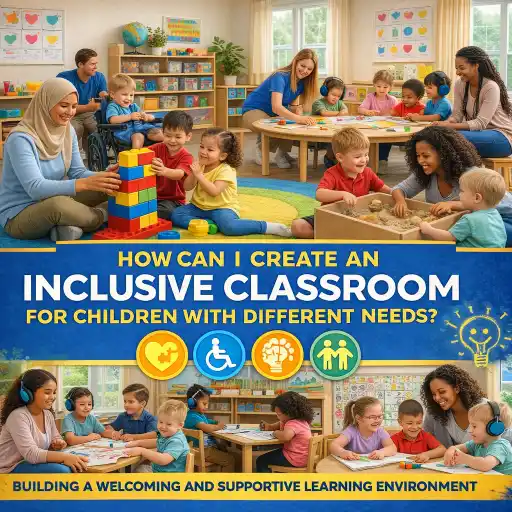
- 🟢 Clear spaces and labels
1) Use pictures and words for centers so children know where to go. 2) Put materials on low shelves for easy reach. See practical room ideas at ChildCareEd's classroom tips.
- 🔵 Sensory supports
1) Create a calm corner with soft light and a few fidgets. 2) Offer headphones, heavy-work toys, or movement breaks for kids who need them. For more on sensory planning see the Indiana Resource Center sensory tips.
- 🟣 Visual routines and choices
1) Post a simple picture schedule for daily routines. 2) Give 2 choices for activities (quiet table or active spot). Use Universal Design for Learning (UDL) ideas from ChildCareEd's UDL guide to plan options.
- 🔸 Tool adaptations
1) Offer thicker crayons, adapted scissors, or choice boards so more children can join. ChildCareEd explains adaptations in special needs training.
Try 1–3 of these steps first. Watch how children respond and keep what helps. Small starts build big change.
Why does inclusion matter for children and your program?
- 🙂 Social and emotional growth
1) Children learn kindness and #empathy when they play with peers who are different. 2) Inclusion helps children build friendships and confidence.
- 📘 Better learning for all
1) When children feel safe and welcome, they are ready to learn. 2) Research shows inclusive settings help both children with and without special needs—see OECD findings on inclusive early childhood reports.
- 🤝 Strong family trust and community ties
1) Families feel respected when their culture and needs are included. 2) Partnering with families makes services stronger—ChildCareEd highlights family partnerships in Creating Inclusive Classrooms.
Why it matters for you: inclusion improves behavior, lowers stress, and makes your program a place families want to join.
How do we teach and support children with different needs each day?
- 🎯 Plan for UDL
1) Offer multiple ways to engage (song, hands-on, movement). 2) Give options to show learning (drawing, talking, building). See UDL starter.
- 📚 Use visuals and short steps
1) Break tasks into 1–3 picture steps. 2) Use emotion charts and choice boards so children understand expectations.
- 🧩 Teach skills, not punish behavior
1) Use positive behavior supports. 2) Create simple support plans: note when behaviors happen, teach the replacement skill, and celebrate small wins. ChildCareEd's behavior supports are helpful: Supporting Challenging Behaviors.
- 🔁 Track and adjust
1) Keep short notes on what works for each child. 2) Share strategies at staff meetings and with families.
For children with specific needs (like ADHD), use proven classroom strategies such as clear expectations, breaks, and organizational help—see the CDC classroom guidance.
How can we partner with families and avoid common mistakes?
Families are key partners. Avoid common pitfalls by using simple steps and respectful communication.
- 🤝 Start with listening
1) Ask families: "What helps your child at home?" 2) Set 1–2 shared goals for school.
- 📣 Keep communication short and regular
1) Send a daily note with one success. 2) Offer translated materials or use family interpreters.
- 🧩 Invite specialists and learn together
1) With permission, coordinate with therapists and schools. 2) Use trainings like Supporting Social Learning Buy Now $35.00 or Inclusive Montessori
 Buy Now $16.00 to grow staff skills.
 - ❌ Common mistakes and fixes
1) Mistake: Expecting children to change to fit the room. Fix: Change the environment or task instead. 2) Mistake: Leaving families out. Fix: Invite one family to co-plan a small event. 3) Mistake: Too many visuals at once. Fix: Use 1–2 clear images consistently.
Remember: state requirements vary - check your state licensing agency before making big changes. For more practical tools and free resources, see ChildCareEd's Inclusive Lessons resources.
Summary and FAQs
Start small: pick 1–3 actions (visual schedule, calm corner, two choices for an activity). Watch what helps and share wins with your team and families. Use training to build staff confidence—ChildCareEd offers many short courses linked above.
- Q: How fast should I change the classroom? A: Try one change for 1–2 weeks and observe results.
- Q: Who pays for bigger adaptations? A: Check local grants, inclusion funds, or state supports.
- Q: How do I include home languages? A: Greet in the home language, label items, and invite families to share words and songs.
- Q: What if staff feel unsure? A: Start with one strategy, practice together, and take a short course such as Mastering Inclusive Education.
Thank you for doing this important work. Your steady, kind steps make your #classroom a place where every child and family belongs.
Start with simple, low-cost changes that help many children join in. Small changes add up fast.Daily teaching is about clear routines, choice, and gentle support. Use these numbered steps to plan your day.Inclusion is good for children and for the whole program. Here are a few strong reasons:- Building Equity: Inclusionary Practices in Preschool
- Planning for Every Child: Responsive Strategies in Action
- Bienvenido! Welcoming All Families
- A Better Space for All
- Classroom Setup for Child Care
- Effective Approaches for Autism and Inclusion
- Equity in Action with Head Start
- Texas Director Credential
- Access for All: Inclusion and the ADA
- Environments That Inspire Independence and Exploration
- The power of Imagination: How to add it to your classroom
- 💛🧩 ¿Cómo puedo hacer que mi enseñanza sea inclusiva para los niños con autismo?
- How can DC classrooms welcome every child and make inclusion real?
- Canciones, juegos y preguntas de círculo para niños
- After-School Activities for Kids: Calm, Creative, and Active Ideas for Every Energy Level
- Made by Me! Labor Day Crafts for Preschoolers That Celebrate Hard Work
- Animal Relay Race for Kids: 10 Wild Ways to Race Without Running
- Labor Day Crafts for School-Age Kids That Go Beyond Coloring Pages
- Rosh Hashanah Kindergarten Lesson Plans: 5 Days of Apples, Kindness, and New Beginnings
- Adapt the Activity, Not the Child: Simple Ways to Include Children With Special Needs
- How Can Child Care Providers Create Sensory-Friendly Learning Spaces for All Children?
- How Can We Celebrate Every Family and Create a Classroom Where Everyone Is Represented?
- How Can Child Care Providers Teach Young Children About Fairness and Equity?
- What Can Providers Say When Families Compare Their Child With Another Child?
- Can Every Toddler Reach and Recognize Their Own Storage Space?
- How Can You Plan a Food-Learning Activity for Children with Different Dietary Needs?
- How Do You Include Children With Different Abilities in Everyday Classroom Activities?
- How Can You Adapt Toddler Classroom Jobs for Different Abilities?
- How Can Teachers Help Young Children Understand Similarities and Differences?
