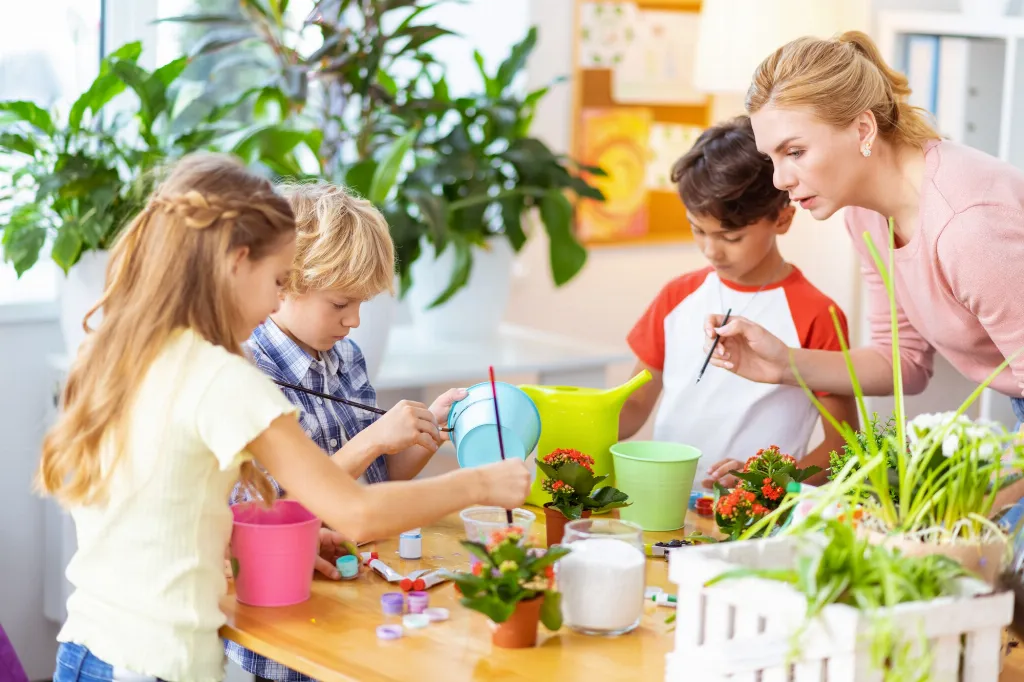
 Classroom gardens are a joyful way to teach, play, and care for the world. A small pot, a window box, or a raised bed can become a living classroom where children plant seeds, watch growth, and learn together.
Gardens help with hands-on science, #garden care routines, and rich #children-led play. They also invite #learning in the #outdoor air and through #sensory discovery. For practical steps, see How to Build a Classroom Garden from ChildCareEd.
How do we start a safe, simple classroom garden?
Starting small keeps it doable. Follow these steps:
- Plan your space: 1) Indoor pots or 2) outdoor beds. Pick a sunny spot or use grow lights. Learn simple planning in How to Build a Classroom Garden.
- Gather supplies: soil, child-sized tools, labels, and seeds. 🌱
- Choose easy plants: herbs (basil, mint), sunflowers, lettuce, marigolds. The Safe and Unsafe Plants guide helps pick non-poisonous choices.
- Check rules: get director and family buy-in, note allergies, and remember state requirements vary - check your state licensing agency.
- Make routines: assign watering days, create a simple care chart, and keep a growth journal for children to draw and count.
What learning can a garden support in my program?
Gardens connect to many goals. Use these activity ideas and link each to a learning aim:
- 🌿 Plant & Observe: Plant seeds in clear cups to watch roots and shoots. Count days to sprout (math) and draw weekly (science, art). See ideas at Garden-based learning.
- 🎨 Nature Art: Make leaf rubbings, seed mosaics, and flower collages to build vocabulary and fine motor skills.
- 🥗 Tiny Chefs: Harvest herbs or lettuce and make simple snacks to teach nutrition (CDC and Farm-to-ECE links support healthy eating).
- 🔬 Sensory Stations: Soil touch, smell herbs, and use magnifiers to notice insects—sensory play connects to the Herb Society's sensory garden tips at Herb Society.
- 📚 Curriculum links: Document photos, child quotes, and measurements for assessment and family sharing. For more curriculum ideas see Ground Education.
How do we keep the garden running, funded, and supported?
Long-term success comes from shared ownership. Try this checklist:
- 👩🌾 Staffing: Train staff and share simple roles. Use short in-house demos or ChildCareEd trainings like Creating the Natural Outdoor Classroom ideas.
- 💧 Routines: Make a watering chart, a weeding plan, and a winter plan (seed-starting indoors).
- 🤝 Partnerships: Reach out to local extension offices, botanical gardens, and parent volunteers. Grants like the Illinois Schoolyard Habitat Action Grant or local green grants can help buy materials.
- ♻️ Compost & Sustainability: Start small compost or worm bins. Check local programs and EPA resources for guidance.
- 📸 Documentation: Keep photos and short notes for funders, families, and licensing reports.
What common mistakes happen and how can we avoid them?
Here are pitfalls and quick fixes:
- ❌ Over-planting: Start with 1–3 pots or a single raised bed. Too much space means too much to maintain.
- 💦 No watering plan: Fix with a clear chart and rotate child and staff responsibilities.
- 🌱 Unsafe plant choices: Use ChildCareEd's plant safety article (Safe Plants) and the Herb Society lists to avoid poisonous plants.
- 📑 No documentation: Take photos, keep a growth chart, and share short stories with families—this supports grants and shows learning to inspectors.
- 🧯 Using chemicals near children: Keep all garden chemicals locked away; prefer child-safe organic methods.
Frequently Asked Questions
- Q: Do we need a lot of space? A: No—containers and window boxes work well. See How to Build a Classroom Garden.
- Q: How do we handle pests? A: Use observation and child-safe, organic methods. Teach pest study as science.
- Q: Can infants be part of garden learning? A: Yes—sensory touches and supervised outdoor time work; follow your licensing rules.
- Q: Where to find lesson plans? A: ChildCareEd, Ground Education, and Pre-K resources like Pre-K Printable Fun have great ideas.
Conclusion
Classroom gardens are flexible, low-cost, and powerful. Start small, keep routines simple, and link garden tasks to learning goals. Involve staff, families, and community partners. Celebrate harvests and children’s stories—these moments build pride, curiosity, and lifelong respect for nature. For more step-by-step tips, see How to Build a Classroom Garden and ChildCareEd's outdoor classroom resources.
Grow with your #garden. Watch your #children bloom as they learn through #learning in the #outdoor world and rich #sensory play.
- The Best Promotion is Play
- Birth to Five CDA Credential with Portfolio Review
- CDA: Creating the Outdoor Classroom
- Classroom Setup for Child Care
- Potty Training Made Simple
- Wellness in Action: Teaching Healthy Habits to Children
- CDA: Curriculum Alignment & Materials
- Children at the Wheel ONLINE
- Getting on the Right Path to Teaching
- Today Is Earth Day!
- National Eat Your Vegetables Day June 17
- ¿Cómo afecta la dopamina a los niños: señales, efectos e influencias diarias?
- Proporciones de Cuidado Infantil y Tamaños de Grupo por Edad en Virginia (Guía Rápida para Centros y Hogares)
- Actividades de Otoño Fáciles para Preescolares esta Temporada
- Cómo Ser Maestra de Preescolar en Dakota del Norte
- Capacitación Previa al Servicio para Proveedores de Cuidado Infantil en Dakota del Norte
- How can New York early childhood programs use garden-based learning?
- Summer Field Trips for Daycares in Nevada
- Growing and Learning: Classroom Gardens for Kids
- How can you turn summer days into learning moments at your Minnesota program?
- How can we build a Minnesota summer program that keeps school-agers engaged?
- How can outdoor learning help young children grow and learn?
- Connecting Generations: Activities for Preschoolers and Seniors
- How can I plant a classroom garden with preschoolers?
- How Can Child Care Programs Teach Sustainability Simply to Young Children?
- How Can Early Childhood Programs Implement Practical Sustainability Practices?
- Why Is Outdoor Learning Growing in Early Childhood?
- ¿Todos los niños deben participar en el tiempo de círculo?
