This short guide helps child care providers and directors bring the #Everglades to life for young learners. You will get easy ideas for teaching about #nature, strong safety steps for water and sun, simple activities that stir #curiosity, and ways to include families and staff. Why it matters: children learn with all their senses. Time outside builds language, movement, calm, and science thinking. The Everglades offer unique plants and animals that make lessons memorable — but being outside also means we must plan carefully for #safety.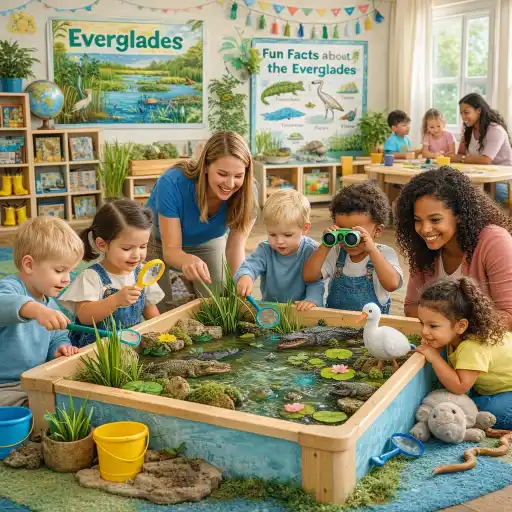
Use local resources and training to feel ready. ChildCareEd offers practical courses like Creating the Natural Outdoor Classroom and planning tips in Field Trip Ideas in Florida. These short trainings help staff bring nature-based learning into daily routines.
1) How do I keep children safe in the Everglades while we teach about nature?
Safety must come first. Follow clear steps and share them with staff and families. State requirements vary - check your state licensing agency.
- 👀 Active supervision: Assign adults to small groups and use touch supervision for water play. The CDC explains outdoor play safety and close supervision for water activities in early care settings — see CDC Outdoor Play and Safety.
- 🩹 Pre-trip checks: Do a hazard map and daily walk-through for trails, parking, fences, sharp plants, or standing water. Use the Hazard Mapping Buy Now $0.00 guide to record risks.
- 🌞 Sun and bug protection: Bring shade, hats, sunscreen (per policy; sunscreen rules for children older than 6 months), and EPA-approved insect repellent choices. The CDC and KidsHealth offer clear sun and insect tips linked in training resources.
- 🛟 Water layers of protection: Use barriers, life jackets, and a designated water watcher. ChildCareEd's water and playground safety resources and the American Red Cross water-safety guidance explain layers like fencing, life jackets, and swim lessons — see Water Safety for Toddlers and Red Cross Water Safety.
- 📋 Emergency readiness: Carry a first-aid kit, up-to-date meds/permissions, cell or radio, and written evacuation/meeting plans. Keep ratios and CPR-trained staff on site.
Tip: Make a 1-page checklist staff can carry. Regular practice builds calm and confidence.
2) What playful activities spark curiosity about the Everglades for toddlers and preschoolers?
Keep activities simple, repeatable, and sensory. Use the outdoors as the lesson — not just the backdrop. ChildCareEd's Creating the Natural Outdoor Classroom has many activity ideas you can adapt for the Everglades.
- 🔎 Scavenger hunt (short & guided): Give picture cards and ask for 3 safe finds (leaf, smooth rock, feather). Count and describe items to build language and math skills.
- 🌱 Mini gardens and planters: Use pots to grow native grasses or simple flowers. Children water, observe growth, and learn life-cycle words.
- 🎨 Nature art and sensory bins: Use leaves, sand, shells, and safe mud for collage, stamping, and texture walks. These support fine motor and vocabulary. For a portable, low-mess sensory option that supports creativity and fine-motor exploration, try a simple DIY moon sand recipe to use in sensory bins and tactile invitations.
- 📖 Story spot and observation journal: Sit quietly for 3–5 minutes, listen, then draw or tell what you heard. This builds listening, words, and science habits (notice, ask, test).
- 🪶 Bird- and bug-watch: Use simple binoculars or photos. Turn sightings into one new word a day. For older preschoolers, try a short citizen-science prompt like counting birds.
Why it works: These ideas use play, hands-on materials, and repeated routines — shown to support attention and language in early years (see ChildCareEd outdoor learning resources like Why Outdoor Learning Matters).
3) How do I plan and run an Everglades field trip with little children?
Field trips need clear steps. Use a simple planning checklist and test the route first. ChildCareEd's Field Trip Ideas page includes planning tips and site suggestions in Florida like parks, visitor centers, and guided programs — see Field Trip Ideas in Florida.
- 📅 Before the trip: 1) Visit and scout the site. 2) Send home permission slips that note sunscreen, repellent, and medical needs. 3) Confirm staff ratios and transportation safety.
- 🧰 Pack list: water, shade tarps, hats, sunscreen, insect repellent (parent permission), first-aid, spare clothes, group list with emergency contacts, and a phone or radio. The CDC and Red Cross provide water and sun safety reminders useful for pack lists.
- 🧭 During the trip: Assign numbered buddies and small groups. Use counting checks on arrival, mid-trip, and before departure. Keep activities short (15–30 minutes) and age-appropriate.
- 🗣️ Use local guides when possible: Park rangers and vetted local outfitters can lead safe, enriching programs. Read safety tips for Everglades visits and park rules (for example, guidelines in local Everglades visitor pages and articles like Everglades Safety Tips).
- 📸 After the trip: Share photos and 1–2 learning words with families. Make a simple display or storybook to keep learning alive back in the classroom.
4) How can staff and families stay involved and how do we avoid common mistakes?
Successful nature teaching is a team sport. Train staff, invite families, and measure small wins.
- 👩🏫 Staff training: Offer short trainings on supervision, risk/benefit planning, and activity facilitation. ChildCareEd courses like Creating the Natural Outdoor Classroom help staff gain confidence and practical ideas.
- 📣 Family engagement: 1) Send a quick note after trips with one photo and one new word. 2) Invite families to a short nature morning or planting day so they see the learning firsthand.
- ✅ Measure learning with simple signs: Track 2–3 small indicators weekly — new words used, calmer transitions after outdoor play, or a child watering plants independently. Keep one photo per week as evidence for families and licensing.
- ⚠️ Common mistakes and fixes:
- 🚫 Mistake: Too many activities at once — Fix: Pick one clear goal per outing.
- 🚫 Mistake: Skipping daily hazard checks — Fix: Use a 3-minute checklist each morning.
- 🚫 Mistake: Staff distraction during water play — Fix: Assign a dedicated water watcher and remove phones from the supervising adult.
FAQ (short):
- How long should outdoor learning be? Even two 20–30 minute blocks daily help young children.
- What about bad weather? Move activities indoors or adjust timing; keep some nature items in the classroom season table.
- Where to get more training? See ChildCareEd courses and resources (links above).
Conclusion
Teaching about the #Everglades can be safe, simple, and powerful. Start with one routine, one safety checklist, and one small activity. Use short staff training (like Creating the Natural Outdoor Classroom) and ChildCareEd planning pages (for example, Field Trip Ideas in Florida) to build your confidence. When you plan well, children get to grow their #curiosity, learn science habits, and practice safe outdoor play. Share your small wins with families and celebrate curiosity. Happy exploring!
- 45 Hour Child Growth and Development
- 45 Hour Preschool Methods and Materials
- 45 Hour Infant and Toddler Methods and Materials
- CDA Bridge Bundle: Family Child Care without Portfolio Review
- Sensitive Periods in Montessori: Guiding Natural Learning
- Texas Director Credential
- Wellness in Action: Teaching Healthy Habits to Children
- Raising Peaceful Learners: The Montessori Advantage
- CDA Certification en Español: Recursos y Consejos para Educadores Bilingües
- 🔍 ¿Qué ves cuando observas a un niño aprender?
- 🤯 ¿Por qué este niño está teniendo un comportamiento difícil de repente?
- Recursos en Español sobre el Sueño Seguro del Bebé
- 10 Ejemplos de Cómo la Cultura Influye en el Desarrollo Infantil
- Capacitación en Salud y Seguridad Preventiva en Línea para Proveedores de Cuidado Infantil
- Normas de Licenciamiento de Cuidado Infantil en Virginia para Centros Diurnos Infantiles y Hogares Diurnos Familiares
- Proporciones de Cuidado Infantil y Tamaños de Grupo por Edad en Nueva Jersey (Guía Rápida para Centros y Hogares)
- Proporciones de Cuidado Infantil y Tamaños de Grupo por Edad en Virginia (Guía Rápida para Centros y Hogares)
- Lista para Abrir una Guardería en Casa en Dakota del Norte: Cómo Empezar
- Cómo Celebrar el Día Nacional del Kindergarten
- Apoyo en Preescolar para Retrasos del Habla: Estrategias Simples que Ayudan
- Retraso del Habla en la Guardería: Cómo Pueden Ayudar los Proveedores
- Cómo Trabajar en el Cuidado Infantil en Carolina del Norte: Requisitos y Pasos
- Cómo Ser Maestra de Preescolar en Dakota del Norte
- Cómo Ser Maestra de Preescolar en Illinois
- Celebrando la amistad en el cuidado infantil durante el Día de los Mejores Amigos
- How can childcare programs teach young children about the Everglades safely while growing curiosity?
- Canciones, juegos y preguntas de círculo para niños
