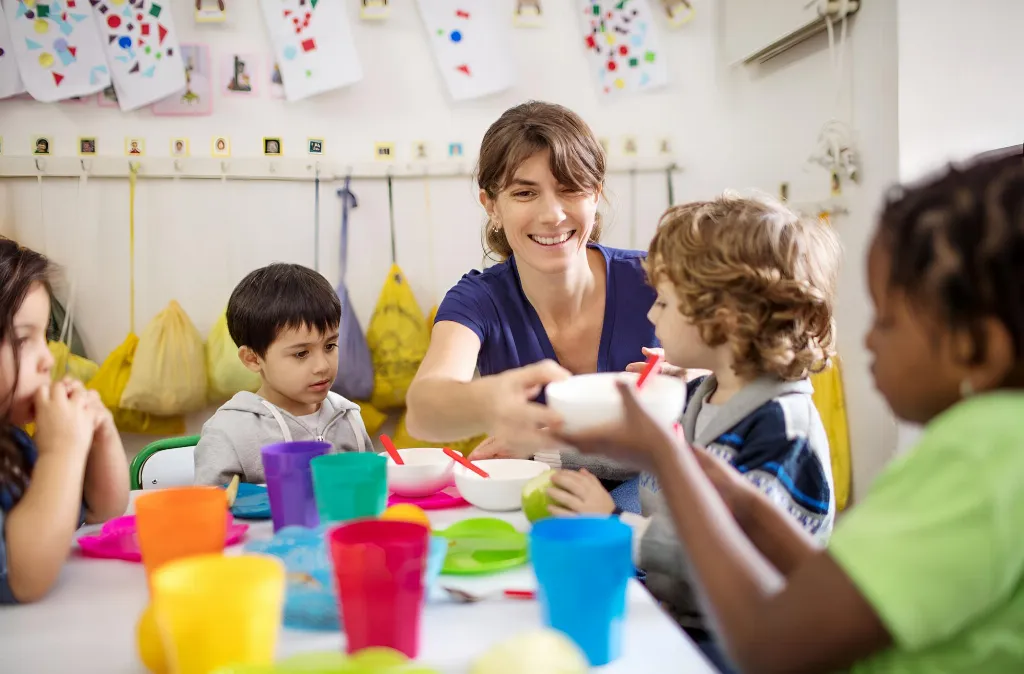
 Bringing young children and older adults together is simple and powerful. This article helps child care providers and directors plan short, safe, and meaningful visits so your #preschoolers and #seniors can learn from each other. You will find easy activity ideas, planning steps, safety tips, and ways to measure success.
Use what fits your classroom or family child care setting — and remember state requirements vary - check your state licensing agency.
What simple activities help preschoolers and seniors connect?4
Here are easy, low-prep activities that work well for small groups. Pick 2–3 stations and rotate groups so visits stay calm and focused.
- 🎨 Arts & Keepsakes: Make handprint cards, simple collages, or decorated bookmarks. These make great keepsakes and support fine motor skills. See ideas in Bridging Generations.
- 📚 Reading Buddies: A senior reads while a child follows the pictures or retells the story. Use short books and comfy chairs — a calm, strong activity recommended in intergenerational reading guides.
- 🍪 Baking or Snack Assembly: Simple, no-heat recipes (fruit cups, sandwich stacking) let seniors share family recipes and counting practice. ChildCareEd shows cooking ideas that support language and measuring skills: Intergenerational Activities for Kids.
- 🌱 Gardening: Plant seeds in small pots. Gardening teaches science, patience, and care. Grants and community programs support gardens — see ideas like the Growing the Future grants.
- 🧩 Games, Music & Memory: Easy board games, sing-alongs, or simple memory prompts let everyone join. Music-based activities can be especially joyful for adults and children (see research summaries on intergenerational benefits at Legacy Project).
Why these work: 1) They are hands-on and sensory, 2) they are flexible for different ability levels, and 3) they create a natural chance to talk and listen. Use the ChildCareEd activity pages for ready scripts and station ideas: Senior Citizen Day Ideas.
How do we plan safe, meaningful visits?
Good planning makes visits relaxed and rewarding. Follow these steps so staff, families, and partner groups know their roles.
- 📆 Schedule: 1) Keep visits short (20–45 minutes for preschoolers). 2) Pick a regular time each week or month so relationships build.
- ✉️ Invite & Inform: 1) Send clear invites with arrival time, parking and accessibility notes. 2) Ask about mobility, hearing or vision needs ahead of time.
- 🪑 Roles & Ratio: 1) Assign greeter, station helper, and a float staff. 2) Keep supervision ratios the same as your program policy.
- 🩺 Health & Safety: 1) Check the space, trip hazards, and supplies. 2) Follow handwashing and health rules. For guidance see safety resources and remember state requirements vary - check your state licensing agency. ChildCareEd includes safety tips in its planning pages: Intergenerational Activities for Kids.
- ♿ Accessibility & Comfort: 1) Add extra chairs and a quiet corner. 2) Offer easy roles (reading, sorting, planting) that match abilities. Virginia Tech best practice guides also recommend staff collaboration to match activities to abilities: Best Practices: Collaboration.
Tip: Prepare simple prompts for conversation (e.g., “What did you like to play as a child?”). Short, predictable routines reduce anxiety for both groups.
Why does connecting generations matter?
Short answer: these connections help learning, mood, and #community. Here are three clear reasons to include intergenerational work in your program.
- Learning & Language: 1) One-on-one attention boosts children’s vocabulary and confidence. 2) Storytelling and songs support literacy skills. ChildCareEd reports that intergenerational time helps language and social skills: Intergenerational Activities for Kids.
- Mood & Purpose for Seniors: 1) Older adults often report better mood and a sense of usefulness when they teach or spend time with children. Systematic reviews find positive trends in wellbeing for older participants (see the Campbell review on mental health outcomes): intergenerational outcomes review.
- Stronger Community & Inclusion: 1) Mixing ages reduces ageist thinking and builds empathy in children. 2) Programs can strengthen family engagement and local partnerships. The Legacy Project explains how ties across ages make communities healthier: Benefits of Intergenerational Connections.
Why it matters: These short interactions shape social-emotional learning and offer older adults a chance to share skills and memories. They also model respect across age groups — an important part of your program curriculum.
How do we avoid common mistakes and measure success?
Planning and reflection help you avoid pitfalls and show value to families and partners. Use simple measures and short reflections.
- Common mistakes (and fixes):
- ⚠️ Too-long sessions — Fix: keep visits 20–45 minutes depending on age.
- ⚠️ Overloaded activities — Fix: use 2–3 stations and small groups.
- ⚠️ Skipping accessibility checks — Fix: ask about mobility/vision/hearing needs in advance.
- ⚠️ No documentation — Fix: take a photo or short note (with permission) and collect 1 child quote.
- Simple ways to measure success:
- 📷 Take a photo and write one sentence about what happened.
- 🙂 Use a smile-chart: did kids and seniors leave smiling? (Yes / Some / No)
- 📝 Track a behavior or language goal (e.g., one new word, taking turns).
- 🔁 Reflect: meet with partners after 2–3 sessions and plan next steps. Virginia Tech recommends documenting and reflecting to improve programs: Best Practices: Age-appropriate Activities.
- FAQ — quick answers:
- Q: How long should sessions be? A: 20–45 minutes for preschoolers; adjust for attention and health.
- Q: What if a senior has memory loss? A: Use sensory and music activities; keep interactions short and guided.
- Q: Do I need photo permission? A: Yes. Always get written consent from families and visitors.
- Q: Where can I find ready plans? A: Use ChildCareEd activity pages and templates: Grandparents Day Activities Buy Now $0.00. For seasonal programming and background on the holiday, see ChildCareEd's National Grandparents Day page.
Conclusion
Intergenerational #activities are doable, low-cost, and high-value. Start small: choose one activity, schedule a 20–40 minute visit, invite a local senior or grandfriend, and document one small success. Partner with local senior centers, volunteer groups, or campus programs and use ChildCareEd for ready-made scripts and invites (see Senior Citizen Day Ideas and Bridging Generations).
Your program will grow kinder, more curious children and happier, more connected adults. Celebrate small wins and keep building those cross-age friendships in your #community.
- 45 Hour Child Growth and Development
- TEAM: Together Everyone Achieves More
- Pediatric RSV First Aid & CPR/AED
- Working Together: Teachers & Preschoolers
- CDA: Special Needs: Understanding the Whole Child
- Emergent Learning & Development
- 45-Hour Infant and Toddler Curriculum
- 45 hour Growth and Development Birth-age 12 ONLINE
- CDA Certification en Español: Recursos y Consejos para Educadores Bilingües
- ❤️ ¿Cómo ayudan los educadores a las familias a acceder a los servicios que necesitan?
- ⏰ Cómo puedo facilitar las transiciones y las rutinas diarias en mi aula?
- 🌎 ¿Cómo apoyo a las familias diversas mientras honro su cultura y valores? 💜
- Apoyo en Español para Capacitaciones Grupales Presenciales y por Zoom en Cursos Selectos
- ¿Cuáles son las mejores actividades del Día de la Tierra para niños en casa o en el aula?
- Actividades de Motricidad Gruesa que Desarrollan el Equilibrio, la Coordinación y la Fuerza
- Actividades de Fiesta para Niños de Preescolar y Primaria
- Proporciones de Cuidado Infantil y Tamaños de Grupo por Edad en Maryland (Guía Rápida para Centros y Hogares)
- Cómo Celebrar el Día Nacional del Kindergarten
- Actividades de Otoño Fáciles para Preescolares esta Temporada
- Ejemplos de Crianza Respetuosa vs. Crianza Permisiva
- Intergenerational Activities for Kids: Learning Across Generations
- Calabazas, hojas y manzanas: actividades de otoño para preescolares
- Senior Citizen Day Ideas for Child Care Programs
- Connecting Generations: Activities for Preschoolers and Seniors
- Intergenerational Activities That Bring Children and Seniors Together
- How can I meaningfully involve grandparents in my daycare program?
- How Can Intergenerational Learning Between Children and Older Adults Improve Early Childhood Practice and Community Well‑Being?
- ¿Qué habilidades preceden al recorte y cuándo deben aprender los niños a usar tijeras?
