Building strong bonds with families helps children learn, feel safe, and grow. This short guide is for directors and child care providers. It gives clear steps you can use each day. Remember: state requirements vary - check your state licensing agency.
Why do strong relationships with families matter?
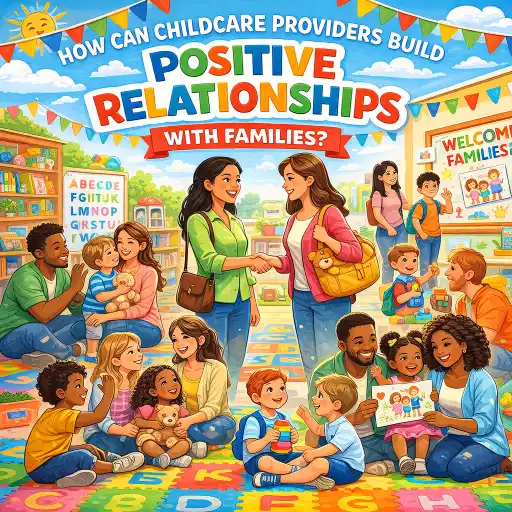
1. Children learn best when adults work together. When teachers and parents share ideas, children get the same help at home and at the center. This helps skills like talking, sharing, and calming down.
2. Trust makes families tell you important things about a child’s needs and routines. That helps you plan work that fits each child.
3. Positive relationships reduce misunderstandings, complaints, and stress for staff. For ideas on why family partnerships help, see How to Build Strong Relationships with Families and the research summaries at Rooted in Relationships. For practical communication and collaboration strategies you can use daily, see Building Strong Relationships with Parents.
Why it matters: strong partnerships lead to better behavior, better learning, and happier kids. Use small daily contacts to build big trust. Those small steps help your #families and your #children thrive.
How can I start and keep good communication with families?
- 😊 Say a warm hello at drop-off and one quick positive note about the child.
- 📣 Ask families how they like to receive messages (text, app, call, or note) and use that way.
2. Use short, regular updates.
- 📝 Send one quick positive message each week and a short weekly snapshot. This simple habit builds #communication and #trust.
- 📞 If there is a concern, follow this order: acknowledge, invite a private talk, listen, and make a clear plan. See tips in How can parent communication strategies reduce complaints? and the CDC guide Learn the Signs. Act Early..
3. Keep records simple.
- ✅ Use brief daily notes for mood, meals, naps, and a learning moment.
- 🗂 Keep incident notes and follow-up logs. Document actions and who you spoke with.
How do I involve and respect diverse families every day?
- 🤝 Ask families about home routines, culture, and languages. Use their answers to plan activities.
- 📚 Invite families to share songs, stories, recipes, or photos.
2. Use small, clear steps to include culture and language.
- 🌍 Label shelves and common items in English and home languages.
- 📖 Add books and dolls that reflect your families. Rotate materials so everyone is seen.
3. Support families with extra needs.
- 🧩 Co-create a short goal sheet with the family and update it together.
- 🔗 Share local resources like developmental checklists from the CDC Learn the Signs. Act Early. and use tools like the Family Engagement Practices Checklist Buy Now $0.00.
These steps show respect and build real #engagement. When families see their culture and language in the classroom, children feel proud and safe.
How do I handle problems and build trust long-term?
1. Use a calm plan when issues arise.
- 🧭 Pause, gather facts, and speak calmly. If a parent posts a complaint, thank them and invite a private call. See practical reply steps in How can parent communication strategies reduce complaints?.
- 🙂 In private, listen, empathize, apologize if needed, and make a clear action plan with next steps and who will do what.
2. Train staff and use consistent routines.
- 📚 Offer short staff trainings on listening and family conferencing. ChildCareEd’s Family Conferencing course is a helpful option.
- 🔁 Role-play tough talks during staff meetings so everyone uses the same calm words.
3. Learn from concerns.
- 🔍 Track topics each month and fix root causes (e.g., pickup confusion, sleeping routines).
- 📣 Tell families the changes you made. Small fixes build big #trust.
Also remember the program culture matters. Leaders who model caring help staff form better family partnerships. For organizational ideas, see research on program context at Improving Family Engagement.
Conclusion
1. Start small: greet families, send short updates, and listen.
2. Be consistent: use simple forms, train staff, and keep follow-up notes.
3. Respect culture and language: invite families to share and use home-language labels.
4. When problems happen: stay calm, meet privately, make a plan, and record actions.
Need more tools? Check ChildCareEd courses like Community and Family Engagement in Childcare  Buy Now $24.00 and the many family resources at ChildCareEd. For health and development guides see the CDC Learn the Signs materials. Building strong family ties takes steady work, but the results help your #children, your #families, and your whole program thrive.
FAQ (short)
- Q: How often should we check in with families? A: At least one short positive contact each week and more if there are concerns.
- Q: Who should lead hard conversations? A: A calm director or a trained staff member with access to records.
- Q: What if a family speaks another language? A: Use interpreters, translated notes, or family-taught words. See multilingual support resources at Roots of Inclusion.
- Q: What about privacy? A: Protect child details and follow your center policy and licensing rules.
- 45 Hour Child Growth and Development
- 45 Hour Preschool Methods and Materials
- Bienvenido! Welcoming All Families
- Pediatric RSV First Aid & CPR/AED
- 45 Hour School Age Methods and Materials
- Texas Director Credential Renewal
- Connections That Count: Building Relationships in Child Care
- Texas Director Credential
- Supporting Social Relationships Among Young Children
- 👶 ¿Cuáles son las proporciones y grupos requeridos en Dakota del Norte? 🏫
- Curso de Comunicación de 9 Horas de Maryland
- How can we build strong teacher-child relationships?
- How can we build strong teacher–child relationships?
- How can we build professional relationships with families?
- How can childcare providers build positive relationships with families?
- Can Florida’s early learning push help infant teachers build stronger family partnerships?
- Talk, Listen, Connect: Build Stronger Child Care Relationships in 9 Hours
- What Makes a Great Home Daycare? 10 Things Parents Notice First
- Child Care Worker Skills and Qualities That Matter Most on a Difficult Day
- How Can Child Care Providers Build Stronger Connections With Families From the First Day?
- How Can Child Care Providers Build Trusting Relationships with Families?
- How Can Child Care Providers Handle Difficult Conversations with Parents About Behavior?
- How Can Child Care Providers Share Small Concerns Before They Become Big Conversations?
- How Can Child Care Providers Build Positive Relationships With Difficult-to-Reach Children?
- How Can Child Care Providers Support Kindergarten Emotions on the First Day of School?
- How Can Child Care Providers Respond When a Child Publicly Names a Favorite Teacher?
