In the #early years of life, children’s #development is profoundly shaped by their interactions with others. Child care settings play a crucial role in nurturing these early social relationships, laying a foundation for emotional well-being, cognitive #growth, and lifelong social competence. Here’s why fostering social relationships  Buy Now $16.00 among young children is essential and how child care providers can create an environment that supports these vital connections. Consider training such as Positive Attention: Interactions & Supervision of Infants & Toddlers Buy Now $24.00 for hands-on strategies that strengthen responsive caregiving. Programs that recruit and support CDA-certified educators often see improved classroom quality and stronger child outcomes.
What is the foundation of social development?
From birth, children are naturally inclined to connect with others. Social interactions provide the context in which children learn to understand and #express emotions, develop #empathy, and acquire communication skills. See How Does Play Support Children’s Physical, Cognitive, and Social Growth? for concrete examples of how play scaffolds these skills. These early relationships are funda #mental for:
- Emotional Regulation: Positive interactions help children learn to manage their emotions, reducing anxiety and building resilience.
- Cognitive Development: Social play enhances problem-solving skills, creativity, and #language-development. Children learn to negotiate, share, and collaborate through play and conversation.
- Self-Concept and Identity: Through interactions, children develop a sense of self and understanding of their place in the world. They learn about social roles, norms, and values.
How do responsive relationships support early childhood development?
Responsive relationships are warm, contingent interactions in which adults notice and respond to children's cues. These interactions influence brain development, support emotional regulation, and form the secure base children use to explore. Practical responsive practices include observing for cues, labeling feelings (“I see you’re frustrated”), giving brief contingent feedback, and providing predictable turn-taking opportunities. Consistent, responsive moments across routines (diapering, transitions, meals) create accumulated learning: children internalize expectations for mutual attention, co-regulation, and reciprocal communication. For concrete strategies and competency-based guidance caregivers can use to strengthen these interactions, see Building Positive Relationships with Children: A Key CDA Competency.
How can providers create a supportive environment?
Child care providers have a unique opportunity to support the social development of young children. Here are key strategies to foster strong social relationships:
How do you promote positive interactions?
- Modeling Behavior: Adults can demonstrate empathy, kindness, and cooperation, setting a standard for children to emulate.
- Encouraging Cooperation: Activities that require teamwork, such as group games or collaborative projects, help children practice sharing, turn-taking, and problem-solving.
How do you cultivate a safe and inclusive space?
- Respectful Atmosphere: Create an environment where every child feels valued and respected. This includes celebrating diversity and promoting inclusivity.
- Conflict Resolution: Teach children simple conflict-resolution skills, such as using “I feel” statements or negotiating solutions, to handle disputes constructively.
How do you support individual needs?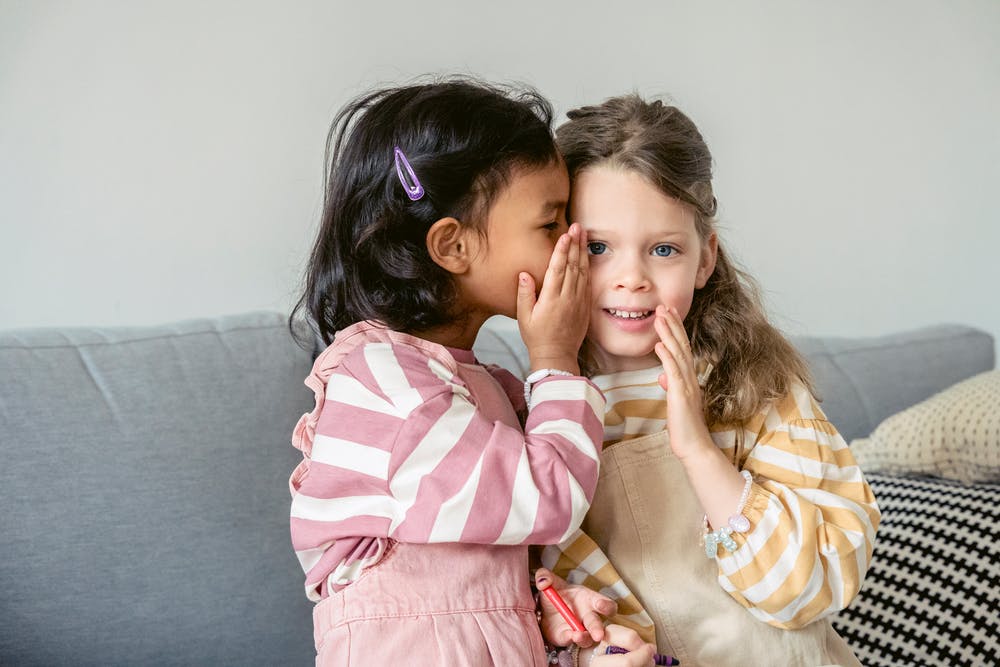
- Understanding Differences: Recognize that each child has unique social and emotional needs. Tailor interactions and support to accommodate shy children, those with special needs, or those who are more outgoing.
- Encouraging Peer Relationships: Organize activities that pair children with different peers, helping them build diverse friendships and social skills.
How can providers support children who struggle with social skills?
Some children need targeted supports to build peer connections. Start with systematic observation across routines to document when a child has difficulty (initiating play, joining groups, reading cues). Use brief, embedded interventions: teach scripted invitations (“Would you like to play blocks?”), rehearse turn-taking through role-play, and prompt joint attention by suggesting shared materials. Collaborate with families to align strategies across home and program; share simple home practice ideas. For guidance on practical parent–provider communication strategies and examples for sharing observations and progress, see How the CDA can help you communicate. For persistent or severe difficulties, document patterns, consult your program’s inclusion or special needs specialist, and consider referral to early intervention or speech/social skills services. Monitor progress with a simple checklist and adjust supports incrementally so the child practices skills in natural contexts.
How can SEL be incorporated into daily routines?
- Structured Activities: Use stories, role-playing, and group discussions to teach empathy, self-awareness, and social skills.
- Daily Practices: Integrate SEL into daily routines, such as circle time or snack breaks, to reinforce these skills naturally and consistently.
Targeted courses such as Staying Positive: Guidance for Preschoolers Buy Now $24.00 and Supporting Children's Independence Buy Now $24.00 provide practical activities, scripts, and routines you can use right away to teach these skills.
What classroom arrangements and routines encourage peer interactions?
Classroom layout and daily rhythms strongly influence peer engagement. Arrange learning centers to invite small-group collaboration (blocks, dramatic play, art) and ensure materials are abundant to reduce competition. Use predictable routines and visual schedules so children know when social activities occur; cueing peers for cooperative tasks (group clean-up, shared snack jobs) creates natural opportunities for turn-taking. Intentionally scaffold transitions with short peer-pairing tasks (e.g., "find a friend to carry the basket"), and rotate buddy pairings to expand social networks. Adults should circulate actively during free play to prompt interactions, model language for invitations, and intervene briefly to support conflict resolution. These environmental and routine strategies make social practice frequent, visible, and teachable. For additional classroom-level strategies and concrete examples of arranging spaces and routines to support social-emotional development, see CDA Insights: Inside The Classroom.
What are the long-term benefits of strong social relationships?
Investing in social relationships in child care settings has profound long-term benefits:
- Academic Success: Children with strong social skills are better equipped to succeed in school. They are more likely to engage in #classroom activities, collaborate with peers, and seek help when needed.
- Mental Health: Positive social experiences in #early-childhood are linked to better #mental- #health outcomes. Children who form secure attachments and have supportive friendships are less likely to experience anxiety or depression.
- Community Engagement: Children who develop strong social skills are more likely to become active, empathetic, and responsible community members.
Supporting social relationships among young children in child care settings is not just about enhancing playtime or making friends; it is about building the essential skills that children need to navigate the complexities of human interactions throughout their lives. By creating nurturing, inclusive, and stimulating environments, child care providers can help every child develop the social competence and emotional resilience that will serve them well into adulthood.
References: Promoting Positive Peer Social Interactions (Vanderbilt CSEFEL); About Children's Mental Health (CDC)
How can providers summarize best practices for fostering social relationships?
In essence, fostering these early relationships is a cornerstone of child development, paving the way for a lifetime of connection, learning, and growth. Prioritize responsive, inclusive practices—consistent routines, scaffolded peer opportunities, and brief embedded teaching moments—to strengthen emotional regulation and peer competence. For program-level strategies and concrete lesson examples, see How can preschool programs teach social-emotional learning effectively? Create a simple, written plan for each classroom that lists daily social goals, routines that support them, and measurable ways to observe progress so staff can adapt strategies efficiently. By integrating these approaches across daily routines, providers help every child develop the social competence and resilience needed to thrive.
- 45 Hour Child Growth and Development
- Language Development in Early Childhood
- Opportunity for Growth: Emotional Development
- CDA Bridge Bundle: Family Child Care without Portfolio Review
- CDA Bridge Bundle: Infant/Toddler without Portfolio Review
- CDA Bridge Bundle: Preschool without Portfolio Review
- Creating Environments that Nurture Growth and Community
- CDA Home Visitor Credential Birth to 5
- Growing the Whole Child: Health, Emotions & Early Learning
- Supporting Social Relationships Among Young Children
- Frosty Fun: Trauma-Informed Play for Resilient Young Learners
- Trauma-Informed Care: Why Your Classroom Isn’t Complete Without a Little Extra Empathy
- CDA Certification en Español: Recursos y Consejos para Educadores Bilingües
- 🔍 ¿Qué ves cuando observas a un niño aprender?
- 🪁¿Cómo puede el juego apoyar de manera poderosa a los niños con autismo?🧩
- 🤯 ¿Por qué este niño está teniendo un comportamiento difícil de repente?
- Cómo Celebrar el Día Nacional del Kindergarten
- Cómo Ayudar a Niños con Retraso del Habla en el Cuidado Infantil
- Apoyo en Preescolar para Retrasos del Habla: Estrategias Simples que Ayudan
- Canciones, juegos y preguntas de círculo para niños
- How Can Child Care Programs Best Support Young Children's Emotional Wellbeing?
- How Do You Explain Ego to a Child Without Making It Sound Like a Bad Thing?
- What Does Compassion Look Like in Child Care? 10 Everyday Moments That Matter
- How Can Kindness Challenges Strengthen Classroom Community?
- How Can Child Care Providers Put Trauma-Informed Practices Into Action?
- How Can Child Care Providers Support a Child Who Struggles to Make Friends?
