The short answer is: yes. The Washington Infant and Early Childhood conference put a clear spotlight on #inclusion and strong #families #partnerships in early care. Speakers and workshops showed practical ideas for infant-toddler care, ways to welcome every child, and steps to bring families into the work of the classroom. Providers left with tools, courses, and community links they can use right away.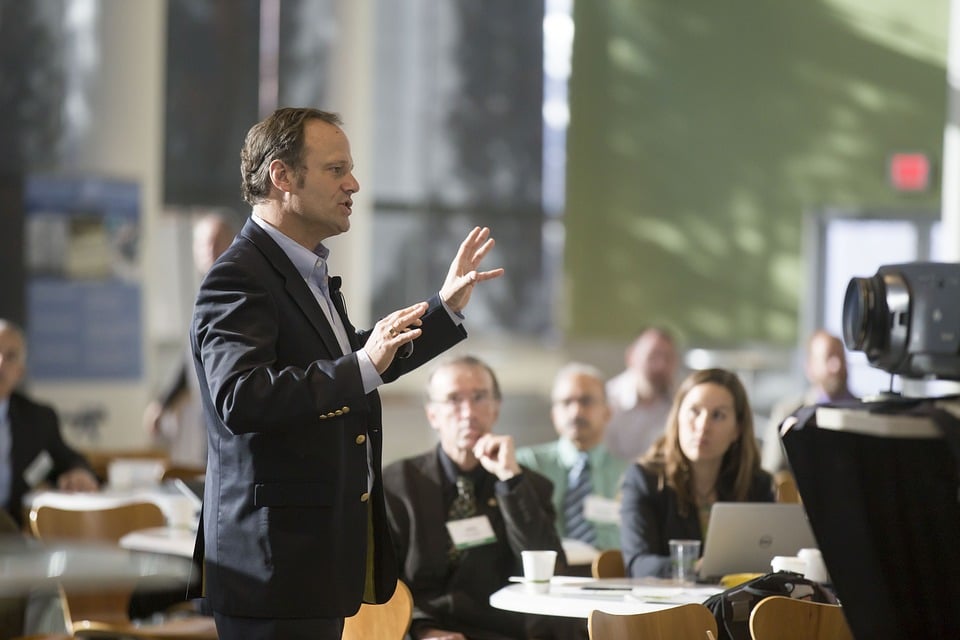
Why this matters: Young children learn best when classrooms match their needs and families are trusted partners. The conference combined hands-on classroom design, caregiver-child relationship work, and family engagement strategies so educators could return to their centers with plans that help children feel safe and seen.
What happened at the conference and who led the talks?
- 🌟 Play and learning with everyday materials — ideas teachers can use the next day, covered in sessions like "Playful Learning with Everyday Materials".
- 👶 The caregiver-child relationship and infant mental health — why attuned adults matter for regulation and bonding.
- 📐 Intentional classroom design to build belonging — how room layout helps relationships.
- 🧩 Inclusion and supports for infants/toddlers with special needs — sessions linked to practical courses such as Special Babies
 Buy Now $16.00 and resources on assistive technology Buy Now $0.00.
 - 🔁 Strength-based behavior strategies like FLIP IT for day-to-day challenges.
Workshops mixed theory with hands-on tools so providers could practice new ideas immediately. ChildCareEd training partnerships and pre-conference materials were highlighted as resources to bring conference learning back to your program (pre-conference form). For teams wanting to continue that learning online, ChildCareEd's online course catalog offers self-paced trainings and CEU options to advance early childhood practice and family partnership strategies.
How did the conference put inclusion and supports for infants and toddlers at the center?
Concrete supports covered at the conference included:
- 🧸 Practical inclusion tools: lessons on adapting materials and daily routines so children with different needs can join play and routines. ChildCareEd’s page on defining inclusion is a good primer.
- 🔧 Assistive tech and adaptations for infants and toddlers — the conference pointed providers to resources like assistive technology Buy Now $0.00 overviews so teams know what tools can help communication and movement.
- 👥 Family partnerships and communication practices — sessions emphasized listening to families and making shared plans; see ChildCareEd’s family engagement guides (Family Engagement Strategies).
- 📈 System strategies: speakers referenced research and state data showing inclusion is growing but uneven—see the Washington JLARC special education review for data and guidance on measuring inclusion (JLARC report).
The National Center for Pyramid Model Innovations (NCPMI) and other evidence-based systems were shared as ongoing supports for social-emotional learning and inclusion. Presenters encouraged using these models with coaching and family partnership so changes last.
What practical steps can providers take now to build family partnerships and stronger inclusion?
- 📬 Use a short pre-conference or intake form. It helps families share what matters most before meetings. ChildCareEd offers a ready-to-use Pre-Conference Form that saves time and centers family voice.
- 🤝 Build two-way routines: greet families by name, send one positive note each week, and ask one question about home life. See tips in How to Build Strong Relationships with Families.
- 🎒 Make the classroom physically welcoming: arrange quiet corners, sensory options, and clear choice areas so children with diverse needs can join. Workshop notes on classroom design in the conference program give ideas.
- 🗣️ Learn and share communication supports: try basic assistive tech, picture routines, or sign language basics. ChildCareEd resources on assistive technology Buy Now $0.00 can guide you.
- 📚 Train and coach: pick one course to do as a team—ChildCareEd has online trainings like Special Babies Buy Now $16.00 and family engagement courses to build shared language and practice.
- 📆 Invite families into curriculum: host a family learning night, ask parents to share songs or stories, and offer flexible meeting times. ChildCareEd’s piece on Partnering with Families has accessible ideas.
Small steps build trust. When families feel heard and classrooms are flexible, children thrive.
What common mistakes should we avoid and how can programs measure success?
Common mistakes (and how to avoid them):
- ❌ Assuming one size fits all. Avoid this by using family input and individual plans. Simple intake forms and daily notes help you learn each child’s routine.
- ❌ Offering one-time training only. Fix: set up coaching or peer practice so new strategies become regular habits.
- ❌ Talking at families instead of with them. Fix: ask questions, use short surveys, and invite decision-making roles for families.
- ❌ Forgetting to track change. Fix: pick 2-3 measures and check them monthly (attendance, family event turnout, social-emotional snapshots).
Ways to measure progress:
- Track family engagement: number of family contacts, surveys returned, and events attended.
- Use classroom data: note how often children join group play, independence in routines, or calming during transitions.
- Monitor inclusion metrics: for older programs, Washington tracks Least Restrictive Environment (LRE) placement data—see the JLARC report for statewide ideas. Local programs can use simpler measures like percent of day spent with peers.
- Use evidence-based tools: social-emotional screening, Pyramid Model checklists (NCPMI), and family feedback forms.
FAQ
- Q: Where can I find short trainings for my team?
A: ChildCareEd offers many online courses and CEU options listed on their Washington course page (ChildCareEd WA courses). Educators working in New York can also consult our piece on strategies for childcare educators in New York for state-specific solutions, licensing guidance, and practical program-level strategies. - Q: How do I involve families who work odd hours?
A: Offer virtual check-ins, short text updates, or flexible meeting times and record key points for parents to read later. - Q: What if I can’t afford assistive tech?
A: Start with low-cost strategies: picture supports, adapted toys, and consistent routines. Look for local lending libraries and state early intervention supports. - Q: Who should I contact about licensing questions?
A: State requirements vary - check your state licensing agency for rules on family involvement, staff ratios, and inclusion supports.
In short: the Washington conference focused clearly on practical inclusion and family partnership steps you can use now. Use the conference tools, ChildCareEd resources, and local data to plan small changes that build belonging every day. For more resources, start with ChildCareEd’s guides on family engagement and Special Babies Buy Now $16.00.
Key words: #inclusion #families #partnerships #earlychildhood #Washington
The conference offered morning and afternoon workshops focused on infant mental health, play, classroom design, and family partnerships. Many sessions were practical and hands-on. Key topics included:The conference used a strengths-based view of inclusion. Presenters described inclusion as giving every child the chance to belong, learn, and play with peers. That matches national ideas about inclusive early childhood from sources like ZERO TO THREE and global guidance from the OECD.Try these simple, numbered actions you can start this week. State requirements vary - check your state licensing agency.- Coaching for Success: Inclusive Strategies to Support Children with Autism
- Many Colors, One Canvas: MD ECE Conference
- Family Connections: Creating Inclusive Relationships
- Bienvenido! Welcoming All Families
- 24 Hour Texas Pre-Service
- Effective Approaches for Autism and Inclusion
- 45-Hour Infant and Toddler Curriculum
- Risk Reduction: Infants and Toddlers in Family Child Care
- Texas Director Credential
- Early Childhood Education Online Courses
- CDA Certification en Español: Recursos y Consejos para Educadores Bilingües
- 🚌 ¿Qué Significan las Regulaciones de Transporte de Illinois para las Excursiones Infantiles? 🚦
- Recursos en Español sobre el Sueño Seguro del Bebé
- Curso de Comunicación de 9 Horas de Maryland
- Cómo usar tu certificación de 90 horas en Maryland para completar tu CDA
- Consejos de Supervisión Activa para Salones de Preescolar y el Juego al Aire Libre
- Retraso del Habla en la Guardería: Cómo Pueden Ayudar los Proveedores
- Cómo Trabajar en el Cuidado Infantil en Carolina del Norte: Requisitos y Pasos
- Cómo Trabajar en el Cuidado Infantil en California: Requisitos y Pasos
- Cómo Ser Maestra de Preescolar en Illinois
- Cómo Ser Maestra de Preescolar en Maryland
- Did Washington’s Infant and Early Childhood Conference Put Inclusion and Family Partnerships in Focus?
- What Did California Educators Take Away from the 2026 CAAEYC Conference in Pasadena?
- What Did Washington’s Early Childhood Conference Teach About Building Inclusive Classrooms?
- Pasadena Playbook: Fresh Classroom Ideas Inspired by California’s 2026 Early Childhood Education Conference
- What Counts as Professional Development for Early Childhood Educators?
- ¿Todos los niños deben participar en el tiempo de círculo?
- How Can Child Care Providers Repair Trust After a Difficult Parent Conference?
