Connections that last start small and grow with care. This article gives easy steps that directors and child care providers in #Georgia can use today to strengthen classrooms through #community and #collaboration with families, colleagues, and local partners. You’ll find clear ideas, simple routines, training options, and common mistakes to avoid. State requirements vary - check your state licensing agency.
Why does community and collaboration matter for Georgia early educators?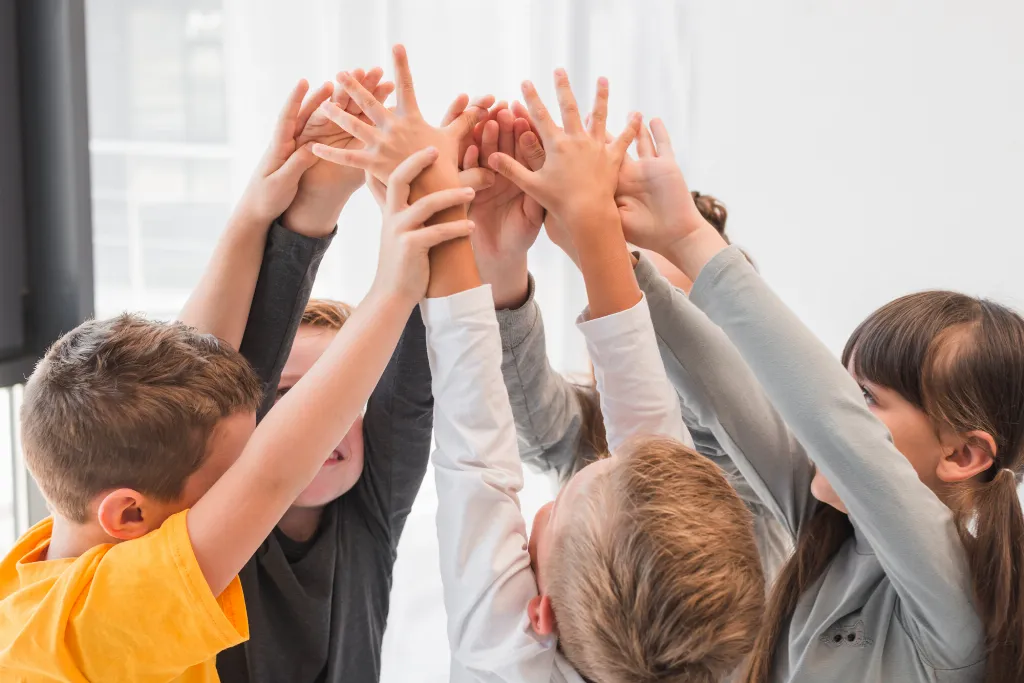
Why this matters: children learn best when they feel they belong. A strong classroom community gives children safety, chances to practice social skills, and more learning time. When teachers, families, and local partners work together, children’s health, learning, and behavior improve. Research and practical programs show big benefits when adults connect and coordinate (see Helping Georgia's Children and family engagement guides like Family Engagement Strategies).
Three quick reasons to focus on community and collaboration:
- Stronger relationships = calmer days and easier transitions for children. (See tips in Building Relationships.)
- Shared supports (health, screening, referrals) help children get what they need early. Example: school–health partnerships shown in Georgia School Based Health Alliance and models like Educare Atlanta (HUD case study).
- Team learning for staff boosts skills and confidence, which helps teachers stay and grow. Professional learning ideas are explored in RAND’s summer PL research and ChildCareEd courses.
When your program centers on trusting relationships, everyone — children, families, and staff — benefits. Keep the goal simple: build trust every day. For practical, developmentally grounded strategies to connect with children across ages, see Building Relationships.
How can I build strong family and community partnerships right now?
Start with small, steady steps. Here are easy actions you can try this week.
- 👋 Greet families by name at drop-off and offer a 1-page welcome sheet. This quick move shows respect and sets a warm tone.
- 📱 Ask each family their preferred way to hear from you (text, app, paper). Use that method. For ideas on meaningful two-way communication, see Beyond the Daily Report.
- 📸 Create a family board or photo space so families see themselves reflected in the room (Helping Georgia's Children).
- 🤝 Invite families to share one thing from home (song, recipe, photo) and make it optional and low pressure (Family Engagement Strategies).
- 🧭 Map local supports and share them: health clinics, early intervention, housing help. Use the free community resources and activities in Resources - Community Partnerships.
- 🎓 Offer short training or coaching for staff about family partnerships. ChildCareEd’s Community Partnerships
 Buy Now $24.00 and Collaboration for the Win Buy Now $16.00 courses are useful starting points.
Tip: Track one simple number each month — for example, one positive contact per family. Small, steady contacts build #trust and stronger ties to your #families.
What daily classroom practices strengthen lasting connections?
Daily routines help children feel safe and help families see the learning happening. Try these classroom habits.
- 🟢 Morning circle or hello ritual every day. Keep it short. Let each child share one word, feeling, or thing they like. This predictable opening builds belonging and language skills. ChildCareEd explains daily rituals in How to Build Community Through Daily Rituals.
- 📚 Share learning stories, not just logistics. Send 1 short learning story each week that names the skill seen (problem solving, sharing). Families value learning-focused notes (see Beyond the Daily Report).
- ⭐ Strengths spotlight. Each day or week, pick one child to highlight a strength and send a quick note home. This builds confidence and family trust.
- 🔁 Visual schedules and choice boards help children and families predict the day. They support children with extra needs and make transitions easier (see inclusion resources at ChildCareEd course list Buy Now $0.00).
- 🧩 Small group spaces and collaborative work areas. Arrange your room so 2–4 children can build or explore together. This arrangement invites peer teaching and shared problem-solving (Helping Georgia's Children).
These daily practices are simple, repeatable, and help your classroom become a true #community where children learn to cooperate and care for each other.
How can professional learning and collaboration make your program stronger—and what mistakes should we avoid?
Professional learning and teamwork make improvements stick. Here’s how to use training and peer support well, plus common mistakes to avoid.
- 📘 Offer focused, job-embedded training. Short online courses and coaching help teachers apply new skills in the classroom. Consider ChildCareEd offerings like Community Partnerships Buy Now $24.00 and Collaboration for the Win Buy Now $16.00. Research shows coaching plus classroom curriculum improves teacher-child interactions (CLASS + Project Approach study).
- 👥 Build a staff learning team. Use short, weekly reflection times (15–30 minutes) to share wins and plan small experiments. Senge and other change studies recommend starting with a few committed staff and growing from there (Processes for Developing Learning Communities).
- 🔁 Use summer or low-pressure times for practice. RAND found summer programs can be "learning labs" where teachers try new strategies with coaching (RAND brief).
Common mistakes — and how to avoid them:
- 🚫 Only sharing logistics with families. Fix: send learning stories and strength notes regularly.
- 🚫 Waiting for problems to start talking. Fix: make regular positive check-ins a routine.
- 🚫 One-size communication for all families. Fix: ask preferences and offer translation when needed (see family inclusion guides at Family Engagement Strategies).
- 🚫 Skipping team reflection. Fix: set a short weekly time to share observations and plan next steps.
When staff learn together and practice new approaches, your program becomes more stable. Training, coaching, and local partners (health, family services) multiply your impact. For community tools and free activities, visit Resources - Community Partnerships.
Conclusion
Connections that last grow from steady, simple steps: warm welcomes, two-way #communication, daily rituals, and team learning. Start with one habit this week — a welcome sheet, a strengths note, or a 10-minute staff reflection. If you want training, explore ChildCareEd courses like Community Partnerships Buy Now $24.00 and Collaboration for the Win Buy Now $16.00. Your work building relationships is the heart of high-quality care. Keep going — small actions add up to strong classrooms, healthier children, and more confident #educators.
- 45 Hour Child Growth and Development
- Professional Presence in Early Childhood
- Beyond the Classroom: Connecting Families to Essential Services
- Easy Steps to Resume and Interview Success
- Early Childhood Education
- CDA Home Visitor Credential Birth to 5
- Texas Director Credential
- Equity-Centered Communication in ECE
- Building Social Foundations
- How Can Childcare Educators Thrive in the Big Apple?
- From Challenges to Triumphs: Strategies for Childcare Educators in New York
- CDA Council's Early Educators Leadership Conference
- CDA Certification en Español: Recursos y Consejos para Educadores Bilingües
- Child Care Resource Center in Georgia: What Is It and How Can It Help?
- New Child Care Regulations in Georgia for 2026
- Connections That Last: Helping Georgia Early Educators Build Stronger Classrooms Through Community and Collaboration
- Can Group Projects Build a Strong Classroom Community?
- National Massachusetts Day for Kids: Explore the Bay State Through Play
- Social Studies Activities for Toddlers: Start With Home, Helpers, and Their Little World
- Training for Preschool Teachers: What Should You Take After You Meet the Minimum Requirements?
- How Can Childcare Providers Strengthen Connections Between Home and Childcare?
- How Can Child Care Providers Build Stronger Connections With Families From the First Day?
- How Can Micro-Moments of Connection Strengthen Relationships During Busy Child Care Days?
- How Can Family Knowledge Shape Meaningful Community Learning Experiences?
- How Can Family Knowledge Shape Meaningful Community Learning Experiences?
