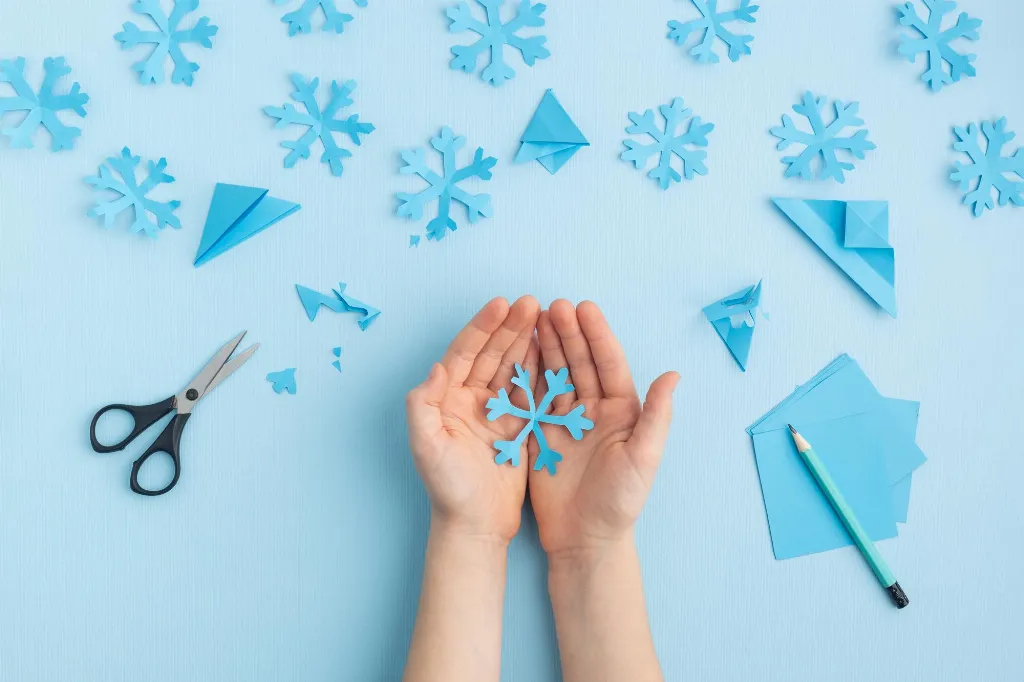
 Why are winter classroom activities so important? ❄️
Winter can be a tricky season in early childhood classrooms. Some days are cold, windy, or snowy. Kids may have less outdoor time, and they may feel extra wiggly inside. That is why winter activities that teach are so helpful.
Good winter activities can help children:
-
Practice key learning skills (math, language, science)
-
Build fine motor strength (hand and finger skills)
-
Learn to work together and take turns
-
Feel calm and happy during long indoor days
With a few simple ideas, winter can become a fun season for learning. #EarlyChildhoodEducation
How do you plan winter activities that teach?
When you plan winter activities, try to connect them to a learning goal. Ask yourself:
-
What skill do I want children to practice?
-
How will I keep it simple and hands-on?
-
Can I use materials I already have?
A strong winter lesson often includes:
-
A short circle time intro (2–5 minutes)
-
A hands-on activity (10–20 minutes)
-
A quick wrap-up (share, clean up, or show work)
Also, choose activities that work for different ages and skill levels. Some children will need help. Others will want a challenge. That is normal!
To help your classroom feel positive during busy winter days, this course is a great support:
Classroom Positivity  Buy Now $24.00
What are easy winter literacy activities that teach? 📚
Winter is a great time for talking, reading, and new vocabulary. Try these simple literacy ideas:
-
Winter word wall
-
Add words like: snow, cold, mitten, ice, warm
-
Use pictures for non-readers
-
-
Story retell with props
-
Use paper snowflakes, cotton “snow,” or mitten cutouts
-
Let children retell a winter story in their own words
-
-
Letter hunt “snowstorm”
-
Write letters on paper “snowballs”
-
Hide them around the room
-
Children find a letter and name it (or match it)
-
Teacher tip: Keep directions short. Model first. Then let children try.
If you want more ideas for indoor days, especially when weather keeps you inside, explore:
Engaging Indoor Activities for Inclement Weather Buy Now $24.00
What winter math activities help children learn numbers and patterns? ⛄
Math can be playful and simple. Use winter themes to practice counting, sorting, and patterns.
Try these winter math activities:
-
Count the “snowflakes”
-
Cut paper snowflakes
-
Write numbers 1–10 (or higher)
-
Children match the number to the correct amount of small pom-poms or buttons
-
-
Mitten matching
-
Draw shapes or numbers on mitten cutouts
-
Children find the matching mitten
-
-
Pattern scarves
-
Use colored paper strips like “scarves”
-
Children make patterns: red-blue-red-blue
-
You can also ask questions like:
-
“Which pile has more?”
-
“What comes next?”
-
“How many do we have in all?”
These questions build real thinking skills. #PreschoolMath
What winter science activities can you do safely in the classroom? 🧊
Children love science when they can touch, watch, and guess what will happen.
Here are simple winter science ideas:
-
Ice melt test
-
Put ice cubes in trays
-
Try “tools” like salt, warm water, or a spoon
-
Ask: “What makes ice melt faster?”
-
-
Winter weather chart
-
Each day, children help mark: sunny, cloudy, snowy, rainy
-
Talk about what they see outside
-
-
Cold vs. warm experiment
-
Place one bottle in warm water and one in cool water
-
Compare which changes faster (like ice melting)
-
Safety note: Avoid very small items with infants and toddlers. Always supervise sensory and science materials closely. For guidance on dressing, supervising, and other cold-weather health considerations specific to infants and toddlers, see our infant and toddler health tips for the chilly season.
How can winter activities build fine motor skills? 🧤
Winter is perfect for “tiny hand” practice. Fine motor work supports writing, self-help skills, and daily tasks like zipping coats.
Try these fine motor winter ideas:
-
Cotton ball snowball pick-up
-
Children use tongs or tweezers to move “snowballs”
-
-
Play dough winter tools
-
Roll “snakes” for scarves
-
Make “buttons” for coats
-
-
Sticker snowflakes
-
Children place small stickers on paper snowflakes
-
For even more fine motor ideas, this ChildCareEd article is a great companion:
10 Fine Motor Activities to Keep Tiny Hands Warm this Winter
What are calm winter sensory activities for busy indoor days? ❄️
Sensory play helps children relax and focus. It can also support language and social skills.
Easy winter sensory ideas:
-
“Snow” sensory bin
-
Use cotton balls, white pom-poms, or shredded paper
-
Add scoops, cups, and small containers
-
-
Frozen toy rescue
-
Freeze small toys in ice (use a big container)
-
Children “rescue” toys with warm water and safe tools
-
-
Winter scent jars
-
Use safe items like cinnamon sticks or orange peels (check allergies first)
-
Children smell and describe
-
When indoor days feel long, having calm centers ready can make your day smoother.
How do you include outdoor learning in winter (even when it’s cold)? 🌲
Outdoor time can still happen in winter, even if it is shorter. Fresh air and movement are important for young children. If you cannot go outside, you can still bring “outdoor learning” ideas inside.
Try these outdoor learning options:
-
Short winter walk
-
Look for footprints, bare trees, or animal signs
-
Keep it brief and well-supervised
-
-
Nature tray indoors
-
Bring in pinecones, sticks, or rocks
-
Let children touch and sort them
-
-
Window observation station
-
Put a small table near a window
-
Add binoculars (toy ones are fine), paper, and crayons
-
If you want to build stronger outdoor learning routines (in any season), this course is a helpful guide:
Creating the Natural Outdoor Classroom Buy Now $16.00
What is a simple weekly plan for winter activities that teach?
Here is an easy way to plan without feeling overwhelmed:
-
Monday: Winter literacy (word wall + story retell)
-
Tuesday: Winter math (counting snowflakes + patterns)
-
Wednesday: Winter science (ice melt test)
-
Thursday: Fine motor (tongs + cotton snowballs)
-
Friday: Sensory + art (snow bin + snowflake collage)
Keep it flexible. If children love an activity, repeat it! Repeating helps learning.
Where can you find a ready-to-use list of winter classroom activities?
If you want a quick list you can use right away, check this ChildCareEd resource:
Winter Classroom Activities Buy Now $0.00
This is helpful when you need:
-
Low-prep ideas
-
Options for different learning areas
-
Activities for cold or stormy days
Want to see a fun activity in action? 🎥
Try this quick Olympics-themed classroom activity video for an easy movement break and lots of smiles:
How can ChildCareEd training support you during winter?
Winter can be busy. Training can give you fresh ideas and help you feel more confident.
Here are three helpful options:
-
https://www.childcareed.com/courses-classroom-positivity-1.html
Buy Now $24.00 -
https://www.childcareed.com/courses-engaging-indoor-activities-for-inclement-weather-1621.html
-
https://www.childcareed.com/courses-creating-the-natural-outdoor-classroom.html
Buy Now $16.00
Want more easy activity ideas all year long?
Follow ChildCareEd on social media for quick tips, activity ideas, and training updates. 👍
Facebook
If you follow today, comment on a winter post with your favorite classroom activity, you might help another teacher, too! #ChildCareTraining
- From Tantrums to Triumphs: Equipping Preschoolers with Self-Regulation Skills
- Moving About the Classroom: Effective Transitions for Everyday
- CDA: Creating the Outdoor Classroom
- Classroom Setup for Child Care
- Creating Environments that Nurture Growth and Community
- CDA: Curriculum Alignment & Materials
- Children at the Wheel ONLINE
- Every Moment Matters: Schedules and Transitions
- Getting on the Right Path to Teaching
- Moving About the Classroom: Effective Transitions for Everyday
- Winter Weather and Indoor Air Quality Tips
- Deck the Halls with Emotional Wellness: Family Traditions That Foster Connection
- The Great Snowman Debate: Montessori vs. Traditional Methods for Building Frosty Friends
- DIY Snow Globes: The Fine Motor Craft That’ll Keep Kids (and Adults) Busy for Hours
- Winter Wonders: Incorporating Seasonal Science in Preschool Curriculum
- Mental Health for Tiny Elves: Supporting Kids Through Winter Blues
- CDA Certification en Español: Recursos y Consejos para Educadores Bilingües
- ❄️ ¿Qué actividades al aire libre funcionan bien para los niños de Illinois en cada estación? 🌷🍂
- ☃️ Frosty Fun in the Classroom: Winter Activities That Teach
- Winter Classroom Activities for Child Care Providers
- ¿Cuáles son las mejores actividades del Día de la Tierra para niños en casa o en el aula?
- Actividades de Motricidad Gruesa que Desarrollan el Equilibrio, la Coordinación y la Fuerza
- 10 Ejemplos de Cómo la Cultura Influye en el Desarrollo Infantil
- Actividades de Fiesta para Niños de Preescolar y Primaria
- Consejos de Supervisión Activa para Salones de Preescolar y el Juego al Aire Libre
- Cómo Ser Maestra de Preescolar en Illinois
- Las Mejores Ideas de Excursiones para Guarderías en Texas
- Canciones, juegos y preguntas de círculo para niños
- How can superhero-themed winter science activities energize your classroom?
