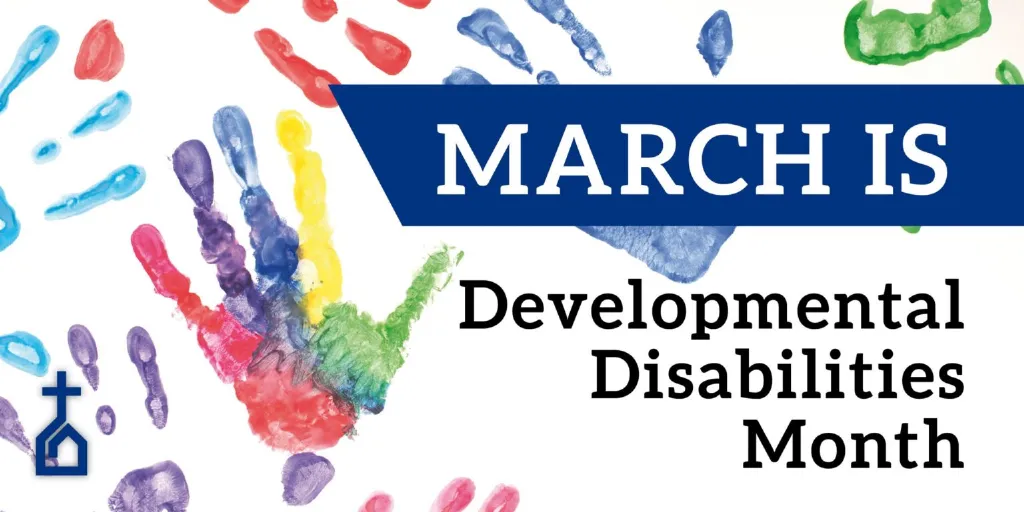
 March is Developmental Disabilities Awareness Month. This is a great time to help children learn that everyone belongs, and everyone can learn in their own way. In childcare, “awareness” should feel warm and safe—not heavy or scary. The goal is simple: build kindness, understanding, and true inclusion in everyday classroom life.
To get easy, ready-to-use ideas, start with this ChildCareEd resource:
Developmental Disabilities Awareness Month Activities Buy Now $0.00
What does “developmental disability” mean in simple words?
A developmental disability is a condition that can affect how a child:
-
moves their body
-
talks and understands language
-
learns new skills
-
behaves or pays attention
-
takes care of daily needs
Some children may need extra support. Others may learn in a different way. The most important message for kids is: “We all learn differently, and we all matter.” #InclusionMatters
How do I talk about disabilities with kids in a respectful way?
Young children notice differences. That is normal. What matters is how we respond.
Try simple, kind phrases like:
-
“Everybody’s brain and body work in their own way.”
-
“Some friends need extra time or extra help.”
-
“We can be helpful and respectful.”
-
“We use kind words in our classroom.”
Avoid:
-
“That’s sad” (This can make children feel ashamed.)
-
“What’s wrong with them?” (Use respectful language.)
-
Sharing private information about a child’s needs
If you want more support on building an inclusive classroom, this ChildCareEd article is a helpful next step:
How to Create an Inclusive Environment
What are inclusion ideas that work in childcare?
Inclusion is not a one-time activity. It is a daily way of teaching and caring. The best inclusion ideas are simple and consistent.
Here are inclusion strategies that work in real classrooms:
-
Use visual schedules (pictures for “snack,” “outside,” “cleanup”)
-
Offer choices (“Do you want crayons or markers?”)
-
Teach classroom helpers (“Who can hold the door?” “Who can pass napkins?”)
-
Use “first/then” language (“First wash hands, then snack.”)
-
Give extra wait time (count quietly to 5 before repeating)
-
Teach peers how to be kind (“Let’s ask, ‘Do you want to play?’”)
These supports help many children—not only children with disabilities. #EarlyChildhood
What activities can I do with infants and toddlers?
For infants and toddlers, inclusion is mostly about relationships, comfort, and predictable routines. Keep activities short and sensory-based.
Infant ideas (birth–12 months):
-
Face-to-face time: Smile, copy baby sounds, and take turns.
-
Sensory baskets: Soft cloth, textured balls, safe shakers.
-
Music moments: Sing the same hello and goodbye songs each day.
Toddler ideas (1–2 years):
-
Feelings pictures: Point to happy/sad/mad faces and name them.
-
Turn-taking games: Roll a ball back and forth. Say, “My turn, your turn.”
-
Simple sign language: Teach signs like “more,” “help,” and “all done.”
Tip: When toddlers struggle, they are not being “bad.” Often they are saying, “This is hard for me.”
What are easy preschool activities for Developmental Disabilities Awareness Month?
Preschoolers love hands-on learning and pretend play. Use activities that teach empathy and problem-solving.
1) “Same and Different” circle time
Show pictures of children doing everyday things (playing, eating, reading). Ask:
-
“What is the same?”
-
“What is different?”
-
“Do we all still belong?” (Yes!)
2) Kindness tool kit
Make a classroom poster called “Ways to Help a Friend.” Add pictures or drawings:
-
“Ask: ‘Do you want to play?’”
-
“Share space.”
-
“Use quiet voice.”
-
“Get a teacher if someone needs help.”
3) Try-it stations (learning in different ways)
Set up small centers where kids try tasks in different ways:
-
Use tongs to pick up pom-poms
-
Use playdough to form letters
-
Use picture cards to tell a story
-
Use headphones in a quiet corner
Say: “People learn in different ways. We can all try our best!” #AllKidsCan
What inclusion ideas work for school-age kids?
School-age children can understand fairness, respect, and helpful actions. They often enjoy being leaders.
Try these simple ideas:
-
“Strengths shout-out” board: Each child writes (or tells you) something they are good at.
-
Team problem-solving: Give a group challenge (build a tower, plan a skit) and assign roles so everyone can join.
-
Buddy choices: Let kids choose how to work (alone, pair, or group).
-
Respect rules: Practice what to do if someone communicates differently:
-
“Look at the person.”
-
“Listen carefully.”
-
“Be patient.”
-
“Ask a teacher if you’re unsure.”
-
What are circle time ideas that help kids understand inclusion?
Circle time is a great place for short messages that build a strong classroom community.
Try a quick routine like this (5–10 minutes):
-
Greeting song
-
One simple message about inclusion
-
A short activity (movement or game)
-
One closing question
Circle time activities:
-
“Different ways to say hello”
Wave, fist bump, sign “hello,” or say hello in another language. -
“Feelings check-in”
Kids point to a feeling card. Teachers model: “I feel calm today.” -
“Quiet, loud, and in-between”
Practice soft voice, normal voice, and whisper voice (great for self-control).
Closing questions to build empathy:
-
“How can we help a friend today?”
-
“What is one kind thing you can do?”
-
“What do you do when something is hard?”
What books should I read for Developmental Disabilities Awareness Month?
Books can help children understand differences in a gentle way. Look for stories that show:
-
children with different abilities as real friends
-
problem-solving and acceptance
-
kind classrooms and supportive adults
Book themes to search for:
-
“Being a good friend”
-
“Different ways to communicate”
-
“Bodies and brains are different”
-
“Neurodiversity for kids”
Before you read, preview the book and ask:
-
Is it respectful?
-
Does it feel hopeful?
-
Does it show the child as capable?
How can teachers get more confident with inclusion?
Inclusion can feel hard when you are busy. Training can help you feel prepared and supported.
Here are ChildCareEd courses that fit this topic well:
-
Understanding developmental disabilities: Understanding Developmental Disabilities
-
Inclusion and ADA basics: Access for All: Inclusion and the ADA
-
Referral to inclusion strategies: Special Needs: From Referral to Inclusion
These trainings can help you use practical tools, support families, and build a classroom where every child can succeed.
How do I include families in a respectful way?
Families are partners. Some families may use different words for disabilities, or may not want their child’s needs discussed publicly. Always protect privacy.
Try:
-
Share general classroom goals: “We practice kindness and helping.”
-
Ask families what supports work at home (simple, respectful questions)
-
Focus on strengths: “Your child loves puzzles and music!”
- Recognize, Respond, Respect: Supporting Diverse Learners
- A Better Space For All
- Implementing the Montessori Curriculum
- Understanding Developmental Disabilities
- Know Me For My Abilities: For Workforce Solutions
- Including All Children and the Americans with Disabilities Act
- Look What I Can Do! Developmental Disabilities Overview
- Access for All: Inclusion and the ADA
- Wellness in Action: Teaching Healthy Habits to Children
- A Great Place for Education Includes All ONLINE
- Labor Day Activities
- Professional Development & Teddy Bear Activities
- Cultivating Literacy, Language, and Cultural Awareness: The Hanukkah Minibook in Early Childhood Education
- Shining a Light on Autism Awareness Month
- ChildCareEd’s Montessori Curriculum Training
- ¿Cómo incluir a niños con necesidades especiales en cuidado infantil? Guía práctica y sencilla
- Actividades de Motricidad Gruesa que Desarrollan el Equilibrio, la Coordinación y la Fuerza
- How can we celebrate diversity and inclusion in California early childhood classrooms?
- How can New York childcare workers serving children with disabilities find specialized online CEU courses?
- Canciones, juegos y preguntas de círculo para niños
- Superhero Theme Activities for Preschool and Child Care
- Foster Parent Annual Training with ChildCareEd
- What Do Superheroes Teach Kids About Kindness and Courage?
- Can Superhero Day Capes and Pretend Play Teach Children to Help Others?
- What are safe, engaging non-candy Halloween ideas for daycares?
- How do I plan developmentally appropriate activities for toddlers?
- How can I teach Black history to young children year-round?
- Special Needs Training for Early Childhood Educators: Which Course Should You Take?
- Can You Open a Daycare Just for Children With Special Needs? Licensing, Training, and Staffing Explained
- How Can Child Care Providers Support Gross Motor Development in Every Child?
