The transition into a new year is not just a time for celebration; it can evoke feelings of anxiety, confusion, and even sadness  Buy Now
 $16.00$11.00 as children grapple with the changes and expectations surrounding them. Child care professionals seeking related learning may consider Early Emotional Wellness Buy Now $16.00 and CDA Subject Area 3 Buy Now $80.00; course acceptance for professional development depends on the applicable state, employer, or registry. Understanding and responding to these emotions helps caregivers support children’s participation in seasonal celebrations without assuming that every child will experience them in the same way.
How Can Caregivers Help Children Regulate Big Feelings?
-
Acknowledge Feelings: Encourage children to recognize that it’s okay to feel a range of emotions. Use precise, developmentally appropriate language to help them identify their feelings, such as saying, "It looks like you’re sad because your toy broke." This validation helps them understand that their emotions are normal and acceptable.
Buy Now $16.00$11.00 -
Teach Coping Mechanisms: Introduce basic coping strategies that children can use when they feel overwhelmed. Techniques such as deep breathing, counting to ten, or taking a break can be beneficial. Practicing these strategies together can reinforce their effectiveness.
-
Model Emotional Regulation: Children learn by observing adults. Demonstrate how to regulate emotions constructively. For instance, if you feel frustrated, name the feeling and describe the strategy you will use to manage it. This models emotional awareness and gives children an observable framework for developing their own regulation skills.
-
Create a Safe Space for Expression: Encourage open communication about feelings. Create an environment where children feel safe to express their emotions without fear of judgment.
Buy Now $24.00 This can be achieved through regular family discussions about feelings and experiences. -
Establish Routines: Consistent routines can provide children with a sense of security, which is essential for emotional regulation. Ensure that they have a predictable schedule, especially during special occasions like New Year’s Eve, to minimize anxiety and emotional upheaval.
-
Recognize Signs of Overwhelm: Be attentive to signs that your child may be struggling with their emotions, such as irritability or withdrawal. Intervene gently by offering support or suggesting a calming activity.
-
Encourage Problem-Solving: After a challenging emotional episode, take the time to discuss what happened. Help your child reflect on their feelings and explore alternative ways to respond in similar situations in the future.
Summary: How Can Adults Make New Year Celebrations Feel Safe and Enjoyable?
Children may respond to celebrations and changes in routine with excitement, uncertainty, or distress. Adults can support them by acknowledging feelings, modeling calm coping, keeping familiar routines, and offering age-appropriate choices. A shorter celebration, a predictable countdown, and a quiet place to pause can help children participate at their own pace. Observe each child’s cues, provide reassurance without dismissing feelings, and connect with families when concerns persist. The goal is not to prevent every difficult emotion, but to help children experience support as they learn to understand and manage their feelings.
What Can Caregivers Do When a Child Seems Overwhelmed?
When a child is crying, whining, or withdrawing, first consider what may be contributing to the response: fatigue, hunger, a difficult transition, sensory overload, or frustration communicating a need. For additional strategies, see how child care providers can manage holiday excitement and big emotions.
Approach calmly, move to the child’s level, and use a brief, reassuring statement such as, “I’m here. You’re upset, and we can take a quiet moment.” Reduce extra demands and stimulation when possible, while maintaining supervision and safety.
Once the child is calmer, name the observed feeling without judgment and offer two manageable choices, such as sitting with a trusted adult or taking a break in a calm space. Avoid demanding an explanation during peak distress; young children may not yet have the language or regulation capacity to describe what is happening. Later, revisit the event briefly and practice a coping strategy together. If intense distress is persistent, interferes with daily participation, or raises safety concerns, document observations and discuss them with the family, following the program’s procedures for appropriate support.
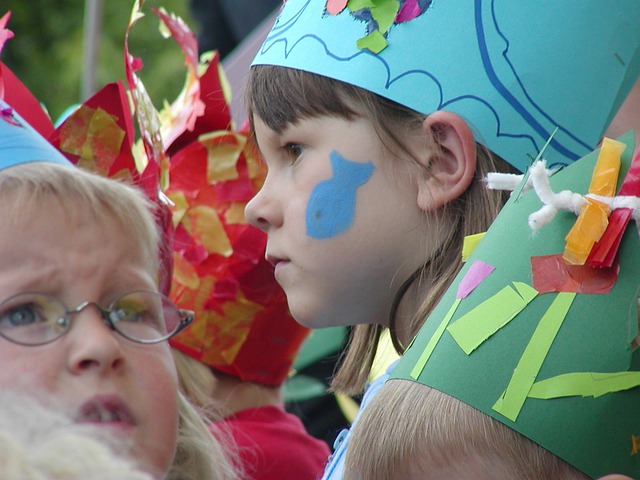 How Can Families Celebrate New Year’s with Young Children?
Here are some developmentally appropriate ideas for celebrating New Year's with children: Adapt each activity to children’s interests, sensory needs, and family traditions; participation should remain optional.
-
Noon Countdown: Host a countdown at noon instead of midnight. This allows children to experience the excitement of the New Year without staying up late. Make it special with party hats, poppers, and sparkling apple cider to toast the occasion. A quiet noon countdown is one option for young children (Easy New Year’s Day Activities for Kids).
-
Crafting Party Hats: Get creative by making colorful party hats together. This activity not only adds to the festive spirit but also allows children to express their creativity and feel involved in the celebration. For another child-friendly seasonal activity, see easy New Year’s Day activities for kids.
-
Family Movie Night: Choose a selection of family-friendly movies and have a cozy movie night. This can be a great way to bond and enjoy each other's company while keeping the atmosphere relaxed and enjoyable.
-
Board Games and Activities: Engage in board games or fun activities that everyone can enjoy. This keeps the energy high and fosters laughter and connection among family members.
-
Fancy Dinner: Prepare a special dinner together as a family. Involve the kids in the cooking process to make it a fun and educational experience, allowing them to feel a sense of accomplishment.
-
New Year’s Resolutions: Sit down as a family and write down New Year’s resolutions. This can be a great way to encourage goal-setting and reflection for the upcoming year, helping children think about their aspirations. Families can also find ideas for traditions that foster connection and emotional wellness.
-
Create a Bucket List: Work together to create a bucket list for the upcoming year. This can help children articulate their hopes and dreams, fostering a sense of excitement and anticipation for the future.
How Can Caregivers Support Children’s Emotional Development?
-
Model Emotional Regulation:
- Children observe adults closely and may imitate their behavior. Demonstrating healthy emotional responses offers children a model for developing their own #regulation skills.
- When experiencing strong emotions, take a moment to acknowledge them. For instance, you might say, "I'm feeling frustrated right now, but I'm going to take a deep breath to calm down." This shows them that it's okay to feel emotions and that there are constructive ways to cope. Buy Now $24.00
- Use a composed, measured tone when discussing emotions, including during challenging moments. This models emotional regulation and reinforces that feelings can be managed constructively.
-
Validate Feelings:
- Let your child know that it’s perfectly normal to feel a range of emotions. Acknowledge their feelings by saying things like, "I can see you’re sad because your toy broke." This validation helps them feel understood and accepted. Caregivers can also explore why co-regulation matters in early childhood.
- Encourage them to express their feelings verbally rather than through behavior. Help them label their emotions as they arise, which can empower them to communicate more effectively.
-
Encourage Communication:
- Foster an open dialogue about feelings. Regularly ask your child how they feel about different situations and encourage them to share their thoughts and experiences.
- Utilize storytelling or role-playing to help them articulate their emotions. This can make it easier for them to express themselves in real-life situations, especially when they encounter strong feelings. For more ideas, see how to build emotional vocabulary through books and play.
-
Teach Coping Strategies:
- Introduce simple coping mechanisms such as deep breathing, counting to ten, or using a "calm-down corner" where they can go to regroup when feeling overwhelmed.
- Practice these strategies together during calm moments so that your child can recall them when they need to manage their emotions effectively. For additional ways to teach emotion naming and management, see how child care providers can teach children to name and manage emotions.
-
Provide Praise and Support:
- Celebrate your child’s efforts to manage their emotions. Positive reinforcement, such as a "praise party," can motivate them to continue using healthy coping strategies.
- After a challenging emotional episode, take time to discuss what happened and explore what they could do differently next time. This reflective practice helps them learn from their experiences and reinforces their emotional growth Buy Now $10.00.
-
Balance Independence and Support:
- Allow your child to work through some emotions independently, but be ready to step in if they are struggling or if their behavior becomes unsafe.
- After a difficult moment, process the event together. Discuss what they felt, how they reacted, and explore alternative responses for the future. This collaborative approach fosters resilience and equips them with tools for emotional regulation. For more coping ideas, read why coping skills are important for preschoolers.
- Health, safety and nutrition
- Curriculum
- Child development
- Website Articles
- Mental Health
- Diversity, Equity, Inclusion
- Child Guidance
- Family Child Care Providers
- Preschool Educators
- CDA
- Child development
- Infant/ Toddler Educators
- Community and Family
- Health, safety and nutrition
- Families
- Social/Emotional
- Content Areas
- Health and Safety
- Child Development
- Montessori
- School-Age Providers
- 45 Hour Child Growth and Development
- Anxiety: Signs & Strategies
- Pediatric RSV First Aid & CPR/AED
- Classroom Setup for Child Care
- CDA Bridge Bundle: Family Child Care without Portfolio Review
- CDA Bridge Bundle: Infant/Toddler without Portfolio Review
- CDA Bridge Bundle: Preschool without Portfolio Review
- Texas Director Credential
- Mental Health in Early Childhood
- Estudio de caso de TDAH
- Preparing Your Child for a New School Year: Social Skills and Independence
- Tiny Hands, Big Dreams: Fostering Creativity in Preschoolers
- Party Hats and Emotional Regulation: Helping Little Ones Navigate Big New Year Feelings
- 📖 ¿Cómo puedo hacer que la hora del cuento sea la parte más poderosa de mi día?
- 🍼📋 ¿Qué necesitas para trabajar en el cuidado infantil en Texas?
- 👧 ¿Cómo iniciar y abrir una guardería en Texas? Lo que necesitas saber
- Cómo Abrir Una Quardería En Casa Sin Dinero?
- ¿Cómo incluir a niños con necesidades especiales en cuidado infantil? Guía práctica y sencilla
- ¿Cómo explicar los colores a un niño ciego? Actividades con tacto, sonido y emociones
- ¿Cuál es la diferencia entre un certificado CDA y la credencial CDA?
- Actividades de Fiesta para Niños de Preescolar y Primaria
- Normas de Licenciamiento de Cuidado Infantil en Virginia para Centros Diurnos Infantiles y Hogares Diurnos Familiares
- Horas de Capacitación Anual para Proveedores de Cuidado Infantil en Maryland
- Lista para Abrir una Guardería en Casa en Dakota del Norte: Cómo Empezar
- Cómo Trabajar en el Cuidado Infantil en Virginia: Requisitos y Pasos
- Capacitación Previa al Servicio para Proveedores de Cuidado Infantil en Texas
- Celebrando la amistad en el cuidado infantil durante el Día de los Mejores Amigos
- How can child care providers manage holiday excitement and big emotions in young children?
- How can child care providers teach children to name and manage emotions?
