A bite can happen in seconds, leaving children hurt and adults worried about what to do next. Learn practical ways to understand the behavior, protect children, and teach safer alternatives; for focused professional learning, explore Ouch! Biting & Hitting Hurts Buy Now $35.00, a course on why these behaviors occur and how to guide children positively.
Why does toddler biting happen, and why does it matter?
Biting is upsetting, but it is often a developmental form of communication—not evidence that a child is “bad” or intentionally cruel. Toddlers are still developing language, impulse control, and emotional regulation. When words or problem-solving skills are not yet available, biting may be a fast response to frustration, excitement, fear, or a desire for a toy or more space. As NAEYC’s guidance on understanding and responding to children who bite explains, children may also bite while teething, exploring cause and effect, seeking oral sensory input, imitating others, or trying to communicate a need such as hunger or fatigue.
Understanding the possible purpose of a bite helps staff choose a useful response. A child who bites during crowded block play may need more space and adult support with turn-taking; a teething child may benefit from an approved, safe oral alternative. The aim is not to excuse harm but to keep everyone safe while teaching a replacement skill. That distinction supports both #safety and the child’s developing #communication.
It matters because the response affects the injured child, the child who bit, the families, and the classroom climate. Calm and predictable adult guidance models regulation and helps preserve trust. Shaming, yelling, or labeling a child as a “biter” can increase distress without teaching what to do instead. Biting is common in early childhood, but each incident still calls for attentive care and a thoughtful plan.
How can we identify what is triggering the biting?
Look for patterns rather than relying on assumptions about motive. Record objective details for each incident: what was happening just before the bite, the child’s behavior, what followed, the time and setting, and which adults were nearby. A simple ABC record—antecedent, behavior, consequence—can help the team notice whether incidents cluster around transitions, crowded play areas, fatigue, hunger, shared materials, or particular social situations. UNC’s Biting in Child Care resource recommends observing triggers and adjusting the setting as part of prevention.
Use the notes to ask practical questions: Was the child waiting, crowded, overwhelmed, or trying to get a toy? Did an adult notice early cues such as tense body language, grabbing, or escalating vocalizations? Is teething, sensory seeking, a routine change, or limited access to words a possible factor? Families may have useful context about sleep, health, or recent changes, so approach them as partners rather than sources of blame.
- Note observable facts, not interpretations such as “wanted attention.”
- Review patterns with the team regularly and update the plan when evidence changes.
- Protect confidentiality in written notes and conversations with families.
- Use observations to adjust supervision, space, materials, or timing—not simply to assign fault.
Patterns are clues, not diagnoses. A record can help staff test whether a change—such as duplicating a popular toy or shortening a wait—reduces risk. This observation-based approach turns a difficult moment into a source of information for individualized #prevention.
What should staff do immediately when a bite occurs?
Move promptly, stay composed, and make the area safe. Separate the children gently if needed, then attend to the injured child and follow your program’s first-aid and incident procedures. Offer calm reassurance, check the injury, and provide appropriate care. If skin is broken, follow health and safety protocols and seek medical guidance in line with program procedures.
Set a brief, clear limit for the child who bit: “You bit. Biting hurts. I won’t let you bite.” Acknowledge the feeling without approving the action: “You were frustrated. I can help.” When the child is calm and receptive, model a replacement such as “Help,” “Stop,” or “My turn.” Toddlers may not be able to process a long explanation during a stressful moment, so save practice and reflection for a calmer time.
- 🩹 Comfort and assess the injured child, and follow first-aid and documentation policies.
- Use short, neutral language and supervise both children closely.
- Do not shame, threaten, bite back, or force the children to reconcile or play together.
- Document the facts and notify families privately, protecting the other child’s identity.
Keep the adult response consistent across the team. State requirements vary - check your state licensing agency, along with program policies, for incident reporting, family notification, and health procedures. Clear steps help staff stay focused on care, dignity, and learning during a stressful moment.
How can classrooms prevent biting and teach safer alternatives?
Prevention combines responsive supervision, a supportive environment, and intentional teaching. Once staff recognize higher-risk moments, position adults close enough to intervene early. Reduce crowding in busy centers, offer duplicates of popular materials, use small groups when helpful, and make transitions more predictable with visual cues, songs, or warnings. If observations suggest teething or oral sensory needs, consult families and follow program policy before offering safe, age-appropriate alternatives.
Teach useful words, gestures, or visual cues when children are calm. Short phrases such as “Help,” “Stop,” “Move back,” and “My turn” can be practiced in play with puppets, books, and brief role-play. Model how to ask for a turn or seek an adult, then notice and describe the child’s attempt: “You said ‘help’ when you wanted the truck.”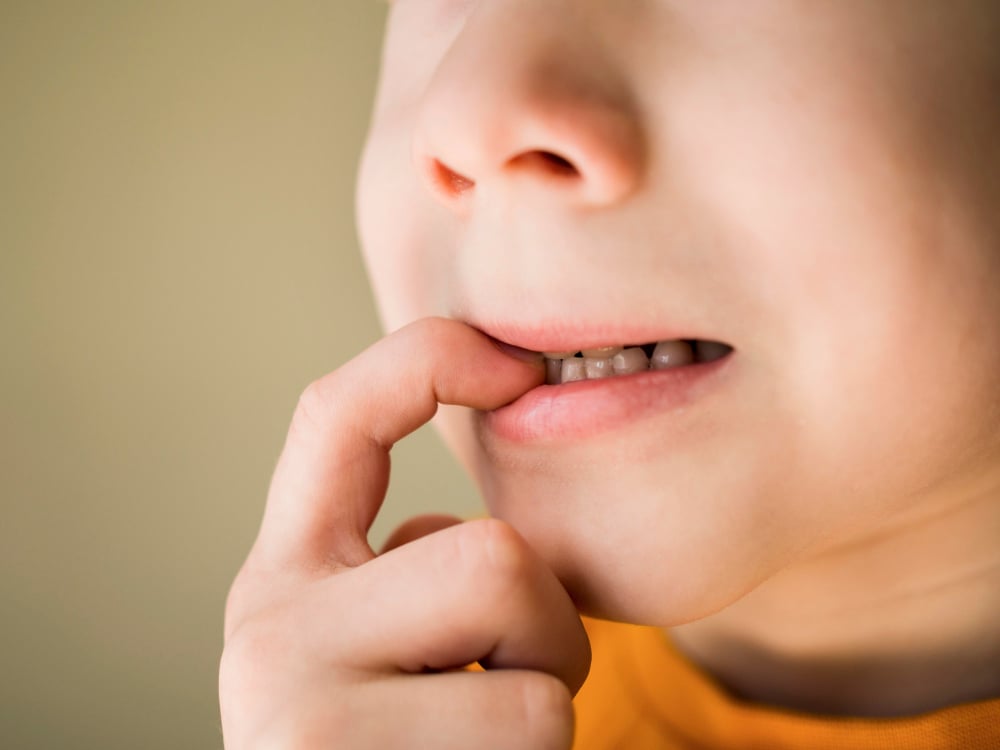
- Plan targeted supervision for the places and times identified in your observations.
- Make routines predictable and ensure play areas have enough space and materials.
- Teach one replacement skill at a time, and practice it repeatedly during calm moments.
- Reinforce gentle interactions and appropriate requests with specific, warm feedback.
Prevention is not a guarantee that no bite will ever happen; toddlers act quickly, and skills take practice. Still, consistent environmental adjustments and repeated coaching give children more ways to meet their needs safely. These small steps can make the classroom feel more manageable for educators and more secure for children.
How should we partner with families and know when to seek more support?
Families may feel worried, embarrassed, or protective after a biting incident. Communicate promptly, privately, and without blame. Share what was observed, what care was provided, what staff did to keep children safe, and what the team will try next. Do not identify the other child. Invite families to share relevant context and agree on a small, realistic plan that can be reviewed together. The ChildCareEd guidance on talking with families about biting and hitting offers practical ideas for factual, respectful communication.
For recurring incidents, decide who will implement each prevention step, which replacement skill adults will teach, and when the team will review progress. Include the director and relevant specialists according to program procedures. Consider additional consultation when biting is frequent, severe, repeatedly causes injury, or persists despite a consistent, thoughtful plan. A pediatric or developmental professional can help families assess whether further support would be useful; educators should describe observations rather than diagnose.
Avoid common pitfalls: labeling the child, relying on punishment, giving a long lecture in the moment, or expecting a child to “just stop” without teaching another way to communicate. Keep documentation factual, follow confidentiality rules, and review health and licensing procedures. State requirements vary - check your state licensing agency.
What are the main takeaways for responding to toddler biting?
Toddler biting is often a signal of a developmental need, communication gap, discomfort, or challenging situation. Providers cannot always prevent every incident, but they can respond in ways that protect children and teach skills. First, care for the child who was hurt and set a calm, clear boundary. Then observe for patterns, adjust the environment, and practice a simple alternative during calm moments.
Strong responses are consistent across staff and respectful toward families. Share facts without blame, protect children’s privacy, document objectively, and make a short plan with specific steps and a review date. Seek additional support when incidents are persistent or serious, and follow program health procedures and state guidance.
The central question—why do toddlers bite, and how should providers respond?—has a practical answer: look for the need behind the behavior, keep everyone safe, and teach a safer way to communicate. With patience, observation, and steady support, providers can help toddlers build skills while maintaining a caring classroom for all.
For deeper, focused learning, explore these English-language ChildCareEd courses:
- Ouch! Biting & Hitting Hurts Buy Now $35.00 — strategies for understanding and positively responding to biting and hitting.
- Mysteries of Challenging Behavior Solved
 Buy Now
 $24.00$18.00 — explores causes of challenging behavior, including biting, and classroom guidance approaches. - Turning Behavior Around for Toddlers and Preschoolers Buy Now $25.00 — strategies for supporting young children when challenging behaviors arise.
- Viewing Guidance in a Positive Light Buy Now $24.00 — developmentally appropriate positive guidance and social-emotional support.
- Ouch! Biting & Hitting Hurts (course details) Buy Now $35.00 — review the course information and consider whether it fits your team’s learning goals.
- 45 Hour Child Growth and Development
- Moving About the Classroom: Effective Transitions for Everyday
- CDA Home Visitor Subject Area 3 Part 3 Birth to 5
- 45 Hour Preschool Methods and Materials
- The ABCs of Behavior: Turning Challenges into Learning Opportunities
- 45 Hour Infant and Toddler Methods and Materials
- Pediatric RSV First Aid & CPR/AED
- Ouch! Biting & Hitting Hurts
- Texas Director Credential
- Ouch! Biting & Hitting Hurts
- 😤💬 “What Should I Say to a Child Who Just Bit Someone?
- 🚨 Reporte Obligatorio en Nevada
- Biting in Child Care: Causes, Prevention, and Provider Strategies
- Recursos en Español sobre el Sueño Seguro del Bebé
- Capacitación en Salud y Seguridad Preventiva en Línea para Proveedores de Cuidado Infantil
- Proporciones de Cuidado Infantil y Tamaños de Grupo por Edad en Virginia (Guía Rápida para Centros y Hogares)
- Lista para Guardería en Casa en Texas: Cómo Iniciar una Guardería en el Hogar
- Retraso del Habla en la Guardería: Cómo Pueden Ayudar los Proveedores
- Capacitación Previa al Servicio para Proveedores de Cuidado Infantil en Dakota del Norte
- Positive Ways to Respond When Children Bite
- Biting Behavior in Early Childhood: Causes and Solutions
- How Can North Dakota Providers Respond to Toddler Biting Without Shaming?
- Cómo simplificar la capacitación para sus empleados de daycare
- How should Michigan child care providers manage toddler biting incidents?
- How can child care programs support toddlers through biting and hitting phases?
- Why Do Toddlers Bite and How Should Child Care Providers Respond?
- What Should Child Care Providers Do When a Child Keeps Hitting, Biting, or Pushing?
- How Can Providers Handle Biting in the Toddler Classroom?
- How Should Child Care Providers Respond to and Document Biting Incidents?
- Why Do Toddlers Bite, and How Should Child Care Providers Respond?
