Biting in toddler groups is hard for everyone. This article helps North Dakota child care providers and directors respond to toddler #biting without shaming. You will get simple steps to use right away, prevention ideas, and tips for talking with families. Keep calm: small, steady actions teach more than big reactions. Remember: state requirements vary - check your state licensing agency.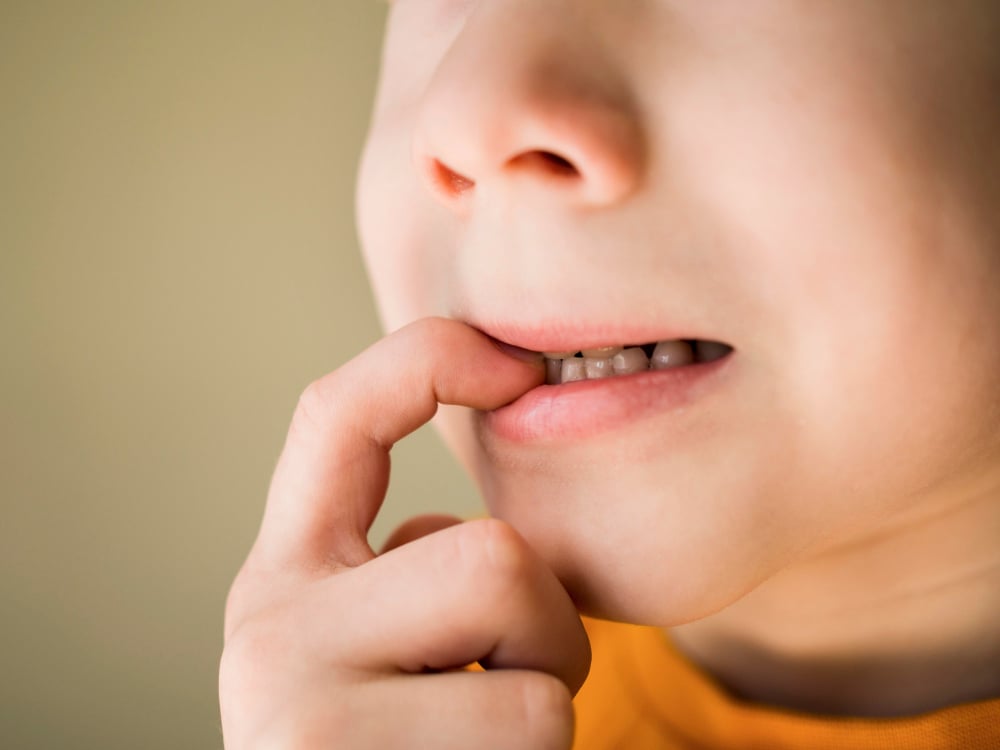
Why it matters:
- Children can be hurt, so #safety matters.
- How staff respond teaches children new skills instead of labeling them.
- Families watch your response — clear, kind plans build trust and protect the program's reputation.
How should we respond in the moment so the child learns and no one is shamed?
When a bite happens, follow a short, calm routine. This keeps the room safe and gives a teaching moment without shame. ChildCareEd’s guides show the same steps as good practice: comfort, one short sentence, teach an alternative, document, and tell families with facts only (see Positive Ways to Respond When Children Bite) and What Should I Say to a Child Who Just Bit Someone?. For a concise, practical overview of strategies to manage biting and support emotional development in childcare settings, see How To Handle Children Who Bite.
- 🩹 Comfort the child who was bitten first: clean the area, offer a hug or a cool cloth, and stay calm. For wound care and reporting see the sample Accident/Injury Report Buy Now $0.00 and CDC health steps (MRSA guidance).
- 🗣️ With the child who bit, use 1–2 short sentences: “You bit. Biting hurts.” Keep your voice calm, not angry. This follows the no-shame approach in Managing Challenging Behavior Without Shame.
- 👋 Name the feeling and give the right next step: “You were mad. Use your words: ‘My turn’ or ask a teacher.” Practice the phrase right after the moment when the child is calmer.
- 📄 Document only facts (who, what, where, when). Do not shame or use blaming language in notes shared with families. See documentation tips in How can I talk to parents about biting and hitting.
Short scripts and calm actions help children learn. Avoid long lectures, threats, or public shaming — these make the child more upset and hide the learning opportunity. Use these simple actions every time so children get the same message from every adult.
What prevention steps can our North Dakota classroom use to lower biting?
Prevention is the best tool. Use observation, classroom changes, teaching, and safe oral options. Many ChildCareEd resources share these same prevention ideas (Biting in Child Care, Why Do Toddlers Bite).
- 🔍 Observe and record patterns for 1–2 weeks: note time, place, peers involved, and what led up to the bite (ABC: Antecedent-Behavior-Consequence). This helps pick the right fix.
- 🧩 Change the environment: add duplicate toys, lower crowding at popular centers, and create clear play zones. Shorten wait times and give extra toys at transition spots.
- 🗣️ Teach one replacement skill at a time: e.g., “Say ‘My turn’,” “Ask for help,” or “Use gentle hands.” Role-play during calm times and use books and songs to practice words.
- 🦷 Offer oral options: teething rings, chewy toys, or cold washcloths for children who seek oral input. Check your program and state rules for allowed items.
- 👀 Increase active supervision at hot spots and times (snack, transitions, block area). Your close presence lets you redirect before a bite.
These prevention moves match North Dakota guidance to de-escalate biting and hitting; see the North Dakota-focused tips at How can North Dakota providers de-escalate biting, hitting & tantrums. Small room changes and short scripts across staff reduce repeats a lot. Add the hashtags to staff notes for quick reminders: #toddlers #prevention.
How should we include families and follow rules without blaming anyone?
Families are partners. Use facts, show care, and invite teamwork.
- 📋 Tell families the facts privately and calmly: time, place, what you did to care for both children, and the short plan. Example: “Today at 10:05 during blocks, your child bit another child. We cleaned the area, comforted both children, and practiced saying ‘My turn.’”
- 🤝 Offer a simple team plan: 2 prevention steps, 1 replacement skill to teach, who will do each step, and a 3–7 day check-in.
- 📈 Track and share progress: keep neutral notes and avoid naming other children in messages. Use the Accident/Injury Report sample for facts (Accident/Injury Report Buy Now $0.00).
- 📞 Ask for help when needed: if biting is frequent, causes injury, or does not improve, involve your director, a mental health consultant, or suggest a pediatric or PCIT referral. For therapy ideas see Parent-Child Interaction Therapy info (PCIT summary).
Keep the tone strengths-based: name a strength, give the fact, and offer the short plan. State requirements vary - check your state licensing agency for reporting rules.
When should we seek extra help, what are common mistakes, and what questions do staff often ask?
Most biting is a phase and improves with consistent plans. Ask for extra help when safety or progress stalls. Avoid these common mistakes and use the FAQ below to guide staff and families.
Common mistakes (how to avoid pitfalls):
- ❌ Yelling or shaming the child — instead: use a short, calm limit and teach later when calm (see no-shame toolkit).
- ❌ Long lectures in the moment — instead: 1–2 short sentences and teach replacement skills during calm times.
- ❌ Ignoring patterns — instead: use ABC notes and change the room or schedule when needed.
- ❌ Sharing names publicly — instead: report facts without naming other children to protect privacy.
When to get extra help:
- Frequent biting despite consistent team plans.
- Bites that break skin or cause serious injury — follow health steps and consult medical guidance (see CDC MRSA).
- No improvement after several weeks of consistent prevention and teaching.
FAQ (short answers):
- Q: Should we always tell the biting child’s family right away? A: Yes. Give facts, show care, and share the short plan. See family talk tips.
- Q: Is biting normal? A: Often for young #toddlers. It usually drops as language grows (Understanding Why Toddlers Bite).
- Q: Do we need to close the room for cleaning after a bite? A: No, routine cleaning is usually enough. Follow health guidance and your licensing rules (CDC MRSA).
- Q: When do we refer families for therapy? A: If biting is frequent, severe, or not improving, suggest a meeting and possible referral to PCIT or a mental health consultant (PCIT info).
Use these five quick reminders in staff huddles: #biting #toddlers #prevention #communication #safety. For staff training and printable tools, see ChildCareEd’s course Ouch! Biting & Hitting Hurts  Buy Now $24.00 and free resources like Understanding Biting and Hitting.
Conclusion
Responding without shame means: keep children safe, use one short sentence, teach alternatives during calm times, change the room to prevent repeats, and work with families kindly. Track patterns, avoid blaming language, and ask for help when bites are frequent or severe. You are not alone — small consistent steps help children learn gentle ways to share feelings. State requirements vary - check your state licensing agency.
- CDA Home Visitor Subject Area 3 Part 3 Birth to 5
- How To Keep A Healthy Class: Six Tips for Germ Control
- CDA Infant/Toddler Credential
- Birth to Five CDA Credential with Portfolio Review
- 45 Hour Infant and Toddler Methods and Materials
- CDA Bridge Bundle: Infant/Toddler without Portfolio Review
- CDA Bridge Bundle: Infant/Toddler
- 45-Hour Infant and Toddler Curriculum
- Texas Director Credential
- Keeping Them Safe: Infants & Toddlers
- 😤💬 ¿Qué Le Digo a un Niño que Acaba de Morder a Otro?
- ⏰📘 ¿Cuáles son los requisitos de capacitación anual en el cuidado infantil en Dakota del Norte?
- 🚀¿Cómo Se Orientan Rápido los Nuevos Empleados en el Cuidado Infantil de Dakota del Norte?
- 👶 ¿Cuáles son las proporciones y grupos requeridos en Dakota del Norte? 🏫
- Proporciones de Cuidado Infantil y Tamaños de Grupo por Edad en Virginia (Guía Rápida para Centros y Hogares)
- ¿Cuál es la Diferencia Entre la Crianza Respetuosa y la Crianza Permisiva?
- Lista para Abrir una Guardería en Casa en Dakota del Norte: Cómo Empezar
- Cómo Trabajar en el Cuidado Infantil en Carolina del Norte: Requisitos y Pasos
- Cómo Ser Maestra de Preescolar en Dakota del Norte
- Capacitación Previa al Servicio para Proveedores de Cuidado Infantil en Dakota del Norte
- Las Mejores Ideas de Excursiones para Guarderías en Dakota del Norte
- What is the Infant & Toddler Bonus and how can ND providers use it to improve care?
- How can North Dakota providers de-escalate biting, hitting & tantrums in child care?
- How Can North Dakota Providers Respond to Toddler Biting Without Shaming?
- Canciones, juegos y preguntas de círculo para niños
- Why Do Toddlers Bite and How Should Child Care Providers Respond?
- How Can Providers Handle Biting in the Toddler Classroom?
- Why Do Toddlers Bite, and How Should Child Care Providers Respond?
- How Can Strong Relationships Help Reduce Biting and Hitting?
