Biting and hitting are common but challenging toddler behaviors that require calm, consistent, and developmentally appropriate responses. Because toddlers may not yet have the language, impulse control, or emotional regulation skills to communicate frustration effectively, these behaviors often signal an unmet need rather than intentional aggression. This article gives child care directors and providers practical, research-informed strategies for identifying triggers, arranging environments to reduce conflict, maintaining close supervision, responding safely in the moment, teaching replacement skills, documenting patterns objectively, and partnering respectfully with families. To strengthen staff practice, explore ChildCareEd’s self-paced online course Ouch! Biting & Hitting Hurts  Buy Now $24.00, which addresses the developmental reasons behind biting and hitting, positive guidance techniques, and effective responses to common behavior challenges. For a broader framework on how understanding child development informs prevention and management of challenging behaviors across age groups, see The Key to Managing Challenging Behaviors. Programs can also use ChildCareEd’s How Should Child Care Providers Respond to Biting, Hitting, and Aggressive Behavior? for practical steps staff can follow during and after an incident. Consistent prevention, communication, and skill-building can protect children while helping toddlers develop safer ways to express their needs.
Why it matters
1) Safety: a single bite or hit can cause physical and emotional harm — immediate, calm action protects children and staff. 2) Learning: your response becomes the child’s lesson. Calm, short limits plus teaching build skills; shaming does not. For background on typical causes and development, see Understanding Why Toddlers Bite and the free overview Are Biting and Hitting Normal?.
Why do toddlers bite and hit?
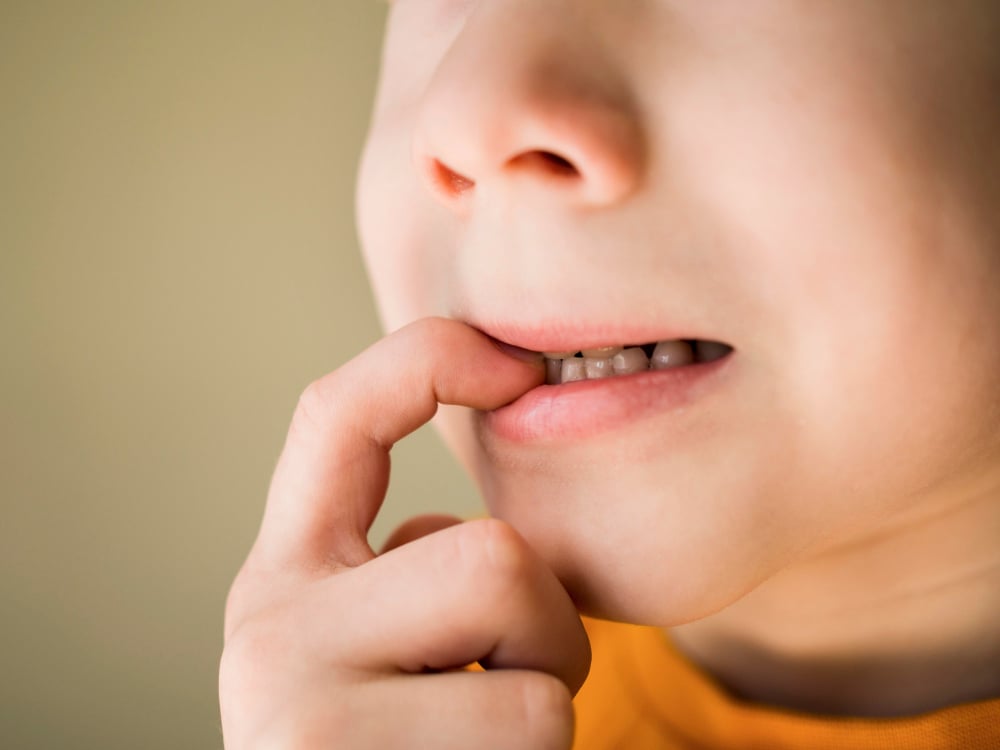
- Exploration/teething (oral sensory needs) — see Why Do Toddlers Bite?.
- Limited language — they may mean “Mine,” “Stop,” or “Help.”
- Big emotions (frustration, excitement, overstimulation) — rapid reactions happen before self-control develops; see KidsHealth.
- Attention, imitation, or sensory-seeking.
- Environmental triggers — crowding, transitions, or scarce materials.
Observation and simple data (when, where, who) quickly reveal which function is likely at work. For program-level framing and evidence-based structure, review the CSEFEL briefs and the Pyramid Model.
What should I do in the moment to keep children safe?
- 🩹 Comfort the child who was hurt first: check, clean, and stay close.
- 🗣️ Stand near the child who bit or hit and use one short sentence: “You bit. Biting hurts.” or “Hands are for gentle touch. Hitting hurts.” See quick phrasing in What Should I Say to a Child Who Just Bit Someone?.
- 🤲 Name the feeling and offer an alternative: “You were mad. Use your words or tell me ‘help.’”
- 🧾 Document facts (time, place, what you did) and follow health/reporting steps if skin is broken. For neutral family language, see Positive Ways to Respond.
- ➡️ Redirect back to play or move to a nearby calm spot for co-regulation (not isolation).
Keep your voice calm and brief — toddlers don’t learn from long lectures. Use the same short script across staff so the child hears a consistent message. For hitting-specific moment steps, consult How to Handle Hitting in Toddlers.
How can I prevent future incidents and teach replacement skills?
- 🔍 Observe & track patterns (ABC: Antecedent-Behavior-Consequence). Data tells you when to add support — see Biting in Child Care.
- 🧩 Change the environment: more duplicates of popular toys, clear play areas, fewer children at high-risk centers (blocks, water tables).
- 🗣️ Teach one replacement skill at a time (e.g., “my turn,” “help,” “gentle hands”) and practice during calm routines and role-play — guidance in What Really Works.
- 🦷 Offer oral alternatives for sensory/teething children: teething rings, chewy tubes, cold washcloths (supervised).
- 👀 Increase active supervision during identified high-risk windows and use proximity to redirect before a bite or hit happens.
- 🤝 Use consistent language across staff and families; short scripts help learning.
Train staff in classroom-wide supports and evidence-based approaches like the CSEFEL strategies and the Pyramid Model. ChildCareEd’s free pack and the Ouch! Biting & Hitting Hurts resources include practical templates and calming tools.
How do I involve families and document incidents?
Families must be partners. Clear, factual, non-blaming communication builds trust. Follow this 5-step plan:
- 📋 Share facts only: time, place, what you did for both children. Protect privacy — do not name other children. See sample wording in How Can I Talk to Parents.
- 🤝 Propose a short team plan: 2–3 prevention steps, one replacement skill, who does what, and a check-in date (3–7 days).
- 📝 Use neutral written follow-up plus a quick phone or private chat for serious incidents; document in your incident system.
- 🔁 Offer home ideas that match classroom scripts so the child hears the same message (consistency increases learning).
- ⚠️ Note licensing and health rules: state requirements vary - check your state licensing agency for reporting or medical steps.
When incidents persist, invite families to a problem-solving meeting with the director and any mental-health consultant. ChildCareEd provides staff scripts and family communication tools in its resources and trainings (for example, Ouch! Biting & Hitting Hurts Buy Now $24.00).
When should I seek extra help — what are common mistakes and FAQs?
Seek extra support when behaviors are frequent, severe, causing injury, or not improving with consistent strategies. Follow program policy for referrals and involve specialists when needed. Common mistakes and how to avoid them:
- ❌ Blaming or shaming the child. ✅ Focus on behavior and teach alternatives.
- ❌ Long lectures in the moment. ✅ Use short limits now; teach later when calm.
- ❌ Ignoring patterns. ✅ Track ABC data and change environment or schedule.
- ❌ Inconsistent messages across staff/families. ✅ Agree on one script and follow-up plan.
Quick FAQ:
- Q: Is biting normal? A: Often yes for young #toddlers, but it requires teaching; see Are Biting and Hitting Normal?.
- Q: Should I tell families immediately? A: Yes — fact-based, private communication is best; see How Can I Talk to Parents.
- Q: Is time-out recommended? A: Use brief, developmentally appropriate calm-down supports and CSEFEL guidance; time-out for very young toddlers is not usually recommended — see CSEFEL.
- Q: When to refer? A: If behavior is daily, intense, or injures others regularly, involve the director and mental health/specialist referrals.
Summary
1) Keep children safe first; use short, calm limits in the moment. 2) Teach one replacement skill at a time and practice it during calm moments. 3) Prevent by changing the environment, meeting sensory needs, and supervising high-risk times. 4) Partner with families using factual, non-blaming communication and document consistently. 5) Get extra help if behavior is persistent or severe.
You’re not alone. For hands-on tools and staff training, see ChildCareEd’s Ouch! Biting & Hitting Hurts Buy Now $24.00, the free resource pack at Resources - Ouch!, and evidence-based briefs from CSEFEL. Keep the focus on safety, skill-building, and strengths — small, consistent steps create big change.
- 45 Hour Infant and Toddler Methods and Materials
- Ouch! Biting & Hitting Hurts
- Mysteries of Challenging Behavior Solved
- CDA Bridge Bundle: Infant/Toddler without Portfolio Review
- CDA Bridge Bundle: Infant/Toddler
- 45-Hour Infant and Toddler Curriculum
- Positive Attention: Interactions & Supervision for Infants & Toddlers
- Texas Director Credential
- Ouch! Biting & Hitting Hurts
- CDA Certification en Español: Recursos y Consejos para Educadores Bilingües
- 😤💬 ¿Qué Le Digo a un Niño que Acaba de Morder a Otro?
- Recursos en Español sobre el Sueño Seguro del Bebé
- Proporciones de Cuidado Infantil y Tamaños de Grupo por Edad en Virginia (Guía Rápida para Centros y Hogares)
- Positive Ways to Respond When Children Bite
- Biting Behavior in Early Childhood: Causes and Solutions
- How can North Dakota providers de-escalate biting, hitting & tantrums in child care?
- How Can North Dakota Providers Respond to Toddler Biting Without Shaming?
- How should Michigan child care providers manage toddler biting incidents?
- How can child care programs support toddlers through biting and hitting phases?
- Why Do Toddlers Bite and How Should Child Care Providers Respond?
- How should child care providers respond to biting, hitting, and aggressive behavior?
- Child Keeps Hitting Other Kids? Look for These 7 Patterns Before Reacting
- When a Child Hits Again and Again: What Should Daycare Teachers Try Next?
- Toddler Classroom Management Strategies for the 5 Hardest Parts of the Day
- What Should Child Care Providers Do When a Child Keeps Hitting, Biting, or Pushing?
- How Can Providers Handle Biting in the Toddler Classroom?
- How Should Child Care Providers Respond to and Document Biting Incidents?
- Why Do Toddlers Bite, and How Should Child Care Providers Respond?
- When Biting Increases Across a Toddler Classroom, What Should You Review?
