The National Mall is full of stories, statues, and visitors from everywhere. Museums and memorials show how objects and places can help people tell their stories. As child care leaders, we can borrow those ideas to build a classroom where every child speaks, listens, and belongs. In this article you will find easy, numbered steps, classroom-ready ideas, and links to helpful resources like Creating Inclusive Classrooms Where Every Child Belongs and practical tips from Inclusive Practices in Early Childhood Education. Remember: state requirements vary - check your state licensing agency.
1) What can the National Mall teach us about listening to every child?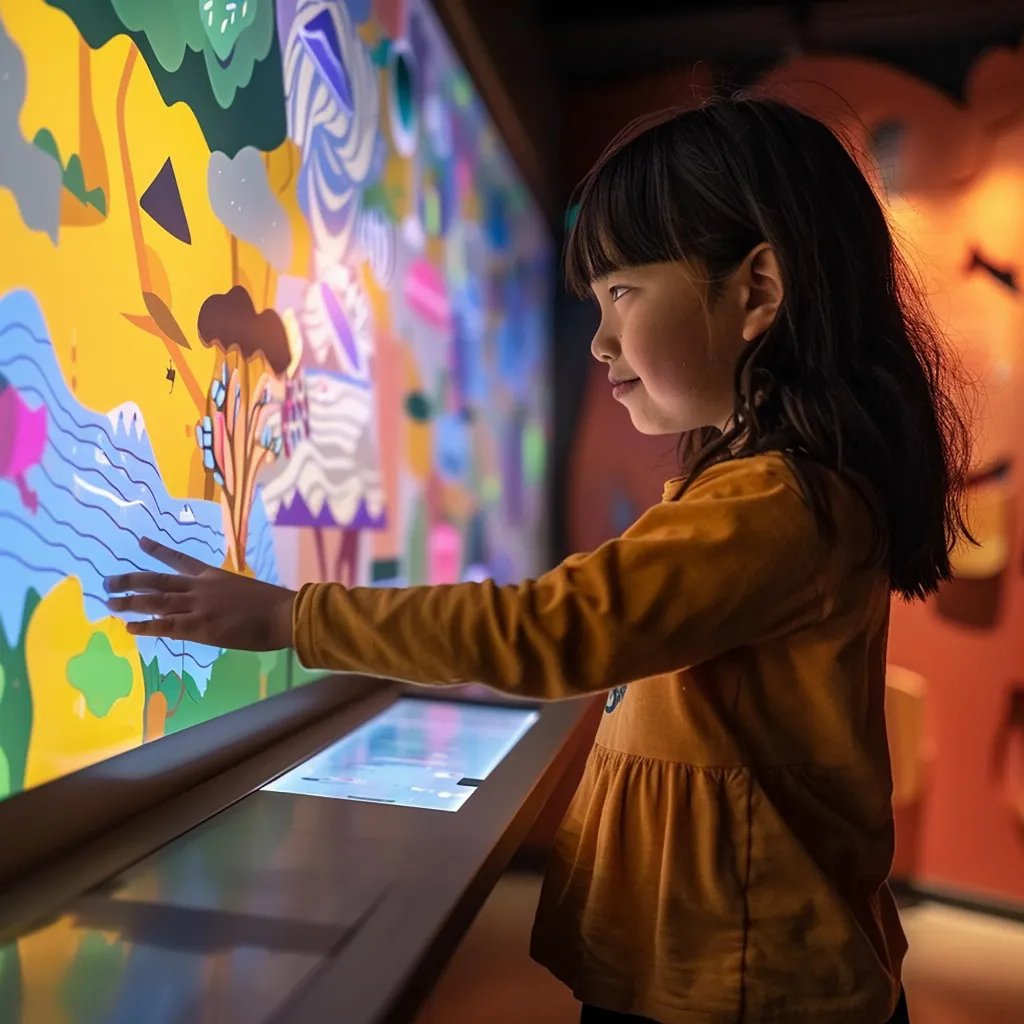
- 😊 Start small: each day, pick 2–3 children to share a short story, object, or word. Keep it 1–2 minutes so it fits routines.
- 🔹 Create a “voice table” with a talking stick, puppet, or photo. Only the person holding the item speaks — this teaches turn-taking and respect.
- 📚 Use museum-style labels: post a child’s quote or drawing with their name and home language. This mirrors how museums credit voices and helps #children see themselves in the room. See ideas at How can I create an inclusive classroom environment?.
- 🧩 Offer choices for sharing (draw, say, act). This follows Universal Design for Learning ideas in How can we create truly inclusive classrooms for children of all abilities?.
- ✅ Reflect: after sharing, ask 1 question that starts with "I noticed..." or "Tell me more about..." This models curiosity and listening.
These simple steps make listening visible and teach respect. When children feel heard, they try new things and join more often. Add the hashtag #voice in your daily notes to remind staff and families that listening is a classroom value.
2) How do museum displays become classroom practices for #inclusion and learning?
- 😊 Zone the room like exhibits: reading corner, art studio, block area. Label each with photos and simple words so children and families know where things belong. For more room ideas, see How we can create truly inclusive classrooms for children of all abilities?.
- 🔸 Display child work like museum exhibits. Add short captions written with the child or family. This builds pride and shows that every story matters (see Creating Inclusive Classrooms Where Every Child Belongs).
- 📌 Use multi-sensory stations: include objects to touch, pictures to look at, and short audio (a song or a child’s voice). This follows research on multi-format learning and access in the museum field — see Smithsonian work on digital learning at From physical to digital.
- 🧩 Offer choices for showing knowledge: draw, build, tell, or act. This is a UDL practice also explained in Universal Design for Learning resources.
- ✅ Rotate displays regularly so every child’s work is seen. A rotating “Artist of the Week” or “Our Stories” wall keeps the room fresh and inclusive.
These museum-inspired setups make the learning visible, support #children with different strengths, and create teachable moments. When you label and caption work, families also learn what their child is doing each day. For family partnership tips, see How can early childhood programs best support diverse families?.
3) How can space, objects, and stories help shy or nonverbal children use their #voice?
- 😊 Provide a calm corner with sensory items, picture cards, and a small object basket. Let the child choose an object to show others later.
- 🔈 Use simple recording tools (tablet, phone) so children can record a short sound, song, or description. Telepresence and digital museum projects show that remote and digital voices can be powerful — see Museum at Your Fingertips.
- 📷 Make a photo book of the child’s work and words. Add picture labels in home language and English. This idea grows from ChildCareEd’s guidance on multilingual access: Creating Inclusive Classrooms.
- 🧩 Teach peers to be listeners and interpreters: pair children for a sharing routine where one child shows an object and the partner asks a simple question. Peer support is a proven inclusion strategy in many ChildCareEd articles like Inclusive Practices in Early Childhood Education.
- ✅ Use simple data: count the times the child engages, smiles, or points during a week. Share wins with families and note what helped. Small steps matter.
These strategies turn quiet moments into options for voice. Assistive tools and small displays help children tell their story without pressure. For equipment and training ideas, see Inclusive Montessori  Buy Now $16.00. For an accessible overview of Montessori principles that foster independence, hands-on materials, and child-led learning, see Montessori education. Remember: state requirements vary - check your state licensing agency.
4) How do we partner with families, museums, and staff to keep every child’s voice growing?
Partnerships multiply impact. The Mall brings groups together — schools, guides, and families. Your classroom can too. Use these numbered steps to build strong teams:
- 😊 Invite families to contribute one object, song, or story from home each month. Display their item with a short label and family name. This honors #culture and helps children connect school and home — see How can early childhood programs best support diverse families?.
- 🔗 Partner with local museums (or use free digital museum resources) to borrow ideas, images, or virtual tours. Museums offer ready-made stories and collections that spark conversation; research on museum resources for teachers supports this approach: From physical to digital.
- 📣 Train staff together on listening routines, UDL, and inclusion. Use short courses from ChildCareEd like How can we support children with special needs in inclusive classrooms? to build shared language and skills.
- 🧾 Measure progress with simple checks: 1) How often does each child share? 2) Do families report feeling heard? 3) Are peer interactions growing? Track these at staff meetings and celebrate small wins.
- ✅ Avoid common mistakes: don’t rush to change a child — change the room and routine instead. Don’t overload families with jargon; start with one strength and one step. ChildCareEd’s practical tips in Every Child Matters help avoid pitfalls.
Working together with families and museums builds a richer set of voices in your #classroom. Use simple partnerships, digital tools, and short trainings to keep learning fresh.
Quick FAQ
- Q: How long before we see change? A: Start with 2 weeks for one routine and watch small gains.
- Q: What if staff are busy? A: Try one 5-minute daily sharing routine and one weekly display change.
- Q: Are digital museum tools useful? A: Yes—telepresence and online resources can amplify voices; see Museum at Your Fingertips.
- Q: Who pays for materials? A: Many ideas are low-cost; museums often share free digital content. For bigger needs, check local grants and state supports.
Summary: Treat your room like a mini-Mall of voices. Number your steps, use objects and labels, invite families, and track small wins. When kids see their words on the wall and hear each other every day, your classroom becomes a place where every child finds their #voice and belongs. For more tools and training, explore ChildCareEd articles like Creating Inclusive Classrooms Where Every Child Belongs and Inclusive Practices in Early Childhood Education.
Why it matters: The Mall puts many voices on equal footing — plaques, art, and stories all share space. In a #classroom, we can do the same by making room for each child’s ideas and language. Use these steps to make listening real: Museums show objects with labels and stories. We can organize our room the same way so every child’s learning is clear. Try this numbered plan: Some children need different ways to speak. The Mall uses objects and signs to let many people share. In your program, use objects and technology as bridges to voice. Follow this 1–5 plan:- Roots & Resilience: Understanding What Shapes a Child
- Bienvenido! Welcoming All Families
- Moving About the Classroom: Effective Transitions for Everyday
- Pediatric RSV First Aid & CPR/AED
- Creating Environments that Nurture Growth and Community
- Texas Director Credential
- A Guide to Effective Communication
- Environments That Inspire Independence and Exploration
- Every Moment Matters: Schedules and Transitions
- Bridging Cultures: Family Communication & Collaboration
- CDA Certification en Español: Recursos y Consejos para Educadores Bilingües
- 🤔 ¿Cómo hablo con los padres cuando un niño no está avanzando en el entrenamiento para ir al baño?
- 🏡🗣️ ¿Cómo hablo con los padres sobre los comportamientos que su hijo aprendió en casa?
- 🥺👋 ¿Por Qué la Despedida de la Mañana es Tan Emocional?
- 😫🧸 ¿Qué hacer cuando un bebé no quiere dormir la siesta en el aula?
- Recursos en Español sobre el Sueño Seguro del Bebé
- ¿Cuáles son las mejores actividades del Día de la Tierra para niños en casa o en el aula?
- 10 Ejemplos de Cómo la Cultura Influye en el Desarrollo Infantil
- Normas de Licenciamiento de Cuidado Infantil en Virginia para Centros Diurnos Infantiles y Hogares Diurnos Familiares
- Proporciones de Cuidado Infantil y Tamaños de Grupo por Edad en Maryland (Guía Rápida para Centros y Hogares)
- Proporciones de Cuidado Infantil y Tamaños de Grupo por Edad en Nueva Jersey (Guía Rápida para Centros y Hogares)
- Consejos de Supervisión Activa para Salones de Preescolar y el Juego al Aire Libre
- Retraso del Habla en la Guardería: Cómo Pueden Ayudar los Proveedores
- Cómo Trabajar en el Cuidado Infantil en Carolina del Norte: Requisitos y Pasos
- Capacitación CDA gratuita en Illinois
- Celebrando la amistad en el cuidado infantil durante el Día de los Mejores Amigos
- What can the National Mall teach us about building a classroom where every child has a voice?
- How can I create a classroom where every child feels heard?
- ¿Todos los niños deben participar en el tiempo de círculo?
