Introduction
This article answers one simple question for child care leaders: what ethics should guide your daily work? Good #ethics help keep children safe, build trust with #families, and make teams stronger. You will read short, clear steps you can use today. The ideas come from the NAEYC Code, training materials on ChildCareEd, and best-practice guides like the NAEYC Code summary. Keep in mind: state requirements vary - check your state licensing agency.
Why does ethical practice matter?
Ethical work matters because it shapes how children feel and how families trust your program. When staff act with clear values, you can:
- Keep children safe and respected.
- Build stronger relationships with parents and the community.
- Make fair choices when problems happen.
Research and guides show that programs with strong ethical culture partner better with families and deliver higher quality care (see work on family engagement and organizational context at Early Childhood Research & Practice). Clear ethics also make it easier for staff to know what to do in tough moments. For more on why we teach and model ethics, see ChildCareEd: Statement of Commitment.
What core responsibilities should guide daily practice?
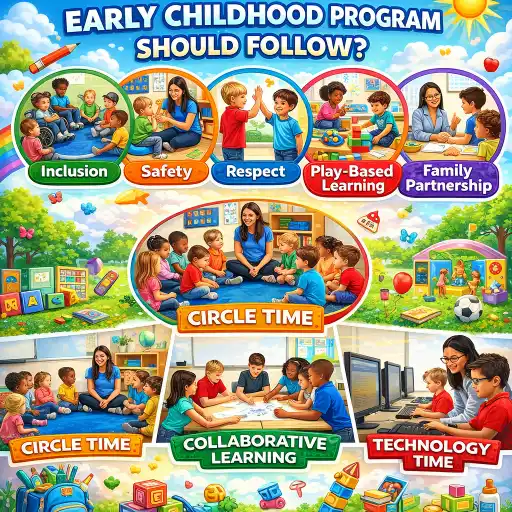
Use this short list to guide teams. These areas come from the NAEYC Code and ChildCareEd training materials like The Ethical Code of Child Care  Buy Now $24.00 and Professional Integrity Buy Now $24.00.
- Responsibility to children: Above all, do no harm. Treat each child with respect and meet their needs. See the NAEYC summary at Study.com for more details.
- Responsibility to families: Welcome families, respect their culture, share information honestly, and include them in decisions. ChildCareEd has a useful guide at Ethical Responsibilities to Families.
- Responsibility to colleagues: Be fair, support peers, and keep confidentiality. Training for trainers and staff ethics is at ChildCareEd: Ethical Responsibilities for Trainers Buy Now $24.00.
- Responsibility to the community: Know laws, advocate for children, and partner with services when needed.
Keep these promises visible in staff meetings and orientation so everyone remembers the basics of #children-first care.
How do I make good ethical decisions when situations are hard?
It helps to have a simple step-by-step process. Trainers and ethicists recommend clear steps so staff can act with confidence. A helpful model is adapted from ethics training materials and practical guides like CYC-Net and ChildCareEd courses.
- Gather facts: What happened? Who is involved? What do you know right now?
- Separate practice vs. ethics: Is this a rule problem, a safety problem, or a moral choice?
- List the responsibilities: To the child, the family, colleagues, and the program.
- Generate options: Write 3 possible actions and the likely results for each.
- Pick the highest priority duty: Often keeping the child safe is first. The NAEYC idea "do no harm" is central; see NAEYC Code.
- Act and document: Tell your supervisor, follow policy, and write what you did and why.
- Reflect and learn: Discuss the case in staff meetings to strengthen team practice.
😊 Tip: Use role play in staff meetings so everyone can practice making these choices. 🔍 Tip: Keep a short decision checklist posted in the office for quick reference.
Training helps. Consider the online ethics and integrity courses at ChildCareEd for staff refreshers.
How do I protect privacy, follow reporting rules, and stay professional?
Protection of information and following reporting laws are part of daily ethics. Start with clear policies and training. Use these steps that mix practical action and legal checks (sources: CDC privacy guide, CDC; confidentiality tips at Chron; mandated reporting basics at Study.com). Remember: state requirements vary - check your state licensing agency.
- Write a clear privacy policy and share it with staff and families. Include how you handle photos, social media, and records. See a model at Chron.
- Limit access: Keep records locked or password protected and only share with authorized staff.
- Train staff: Practice when and how to share information. Use materials from ChildCareEd for regular review.
- Know when to report: If you suspect abuse or neglect, report right away. Your legal duty often comes before confidentiality—see mandated reporting guidance at Study.com.
- Document everything: Keep clear, factual notes about incidents, actions, and communications.
Common mistakes and how to avoid them:
- Sharing photos without permission — fix: get written consent and explain where photos will be used.
- Giving out addresses or contact lists — fix: create a parent directory only with written opt-in permission (Chron).
- Waiting to report suspected abuse — fix: report promptly and follow your state laws and agency rules.
How can I model #professionalism and prevent burnout so ethics stay strong?
Staff well-being matters for ethical practice. Tired, stressed staff make mistakes. Use these practical steps to support your team and model values (see resources at ChildCareEd: Self-Care Buy Now $0.00).
- Set clear expectations: Post your program's ethical commitments and review them in orientation (Statement of Commitment).
- Provide regular training: Short refreshers on ethics, confidentiality, and communication help staff stay ready (Professional Integrity Buy Now $24.00).
- Promote supervision and peer support: Regular check-ins let staff bring up dilemmas and feel supported. Research shows organizations that support staff build better family partnerships (Douglass).
- Encourage self-care: Offer brief daily breaks, reasonable schedules, and resources for stress management (self-care guide).
Common mistakes leaders make:
- Not modeling the policy—fix: leaders should follow the rules publicly.
- Skipping reflection—fix: use team meetings to review ethical cases.
FAQ
- Q: Who decides what is ethical in my program?
A: Use the NAEYC Code and your program policies. Train staff and consult supervisors. See NAEYC summary. - Q: What if a parent disagrees with our choice?
A: Discuss the decision, show documentation, and invite the family to meetings. Respect their views while protecting the child. - Q: When should I report to child protection?
A: If you suspect abuse or neglect, report immediately. Check your state rules and follow your agency policy (Study.com). - Q: How do we handle social media posts about the classroom?
A: Only post with written family permission and follow your privacy policy (Chron).
Conclusion
Ethics in early childhood care are practical and simple when you make them part of daily routines. Use the NAEYC values, train staff with clear steps, protect #confidentiality, and support #professionalism through supervision and self-care. For training and ready-to-use materials, see ChildCareEd. Put your program's commitments in writing, practice decisions together, and remember: protecting #children and building strong ties with #families is the heart of ethical work.
- CDA Certification en Español: Recursos y Consejos para Educadores Bilingües
- 😫🧸 ¿Qué hacer cuando un bebé no quiere dormir la siesta en el aula?
- Curso Para Trabajar En Daycare:Qué Necesitas Para Empezar
- Recursos en Español sobre el Sueño Seguro del Bebé
- ¿Cómo pueden los equipos de cuidado infantil practicar habilidades rápidas de primeros auxilios en situaciones reales?
- Retraso del Habla en la Guardería: Cómo Pueden Ayudar los Proveedores
- How can we build strong work ethics in DC early childhood classrooms?
- What simple work ethics can Oklahoma child care providers use today?
- How can Washington early childhood programs build trust with strong work ethics?
- How can DC early childhood educators show professionalism in daily child care routines?
- How can Florida child care programs build strong work ethics?
- How can we show professionalism in childcare settings?
- What Can Early Educators Learn from NAEYC’s Centennial Conference in DC?
- How can we strengthen professionalism in early childhood education?
- What Are Our Ethical Responsibilities in Childcare?
- How Can Childcare Administrators Use Artificial Intelligence Responsibly?
- What Are My Ethical Responsibilities in Childcare?
- Child Care Administration Course: Are You Ready to Manage Adults, Not Just Classrooms?
- How Can Child Care Providers Use Observation and Assessment to Support Every Child?
- How Can Child Care Providers Protect Privacy When a Child’s Story Includes Sensitive Family Details?
