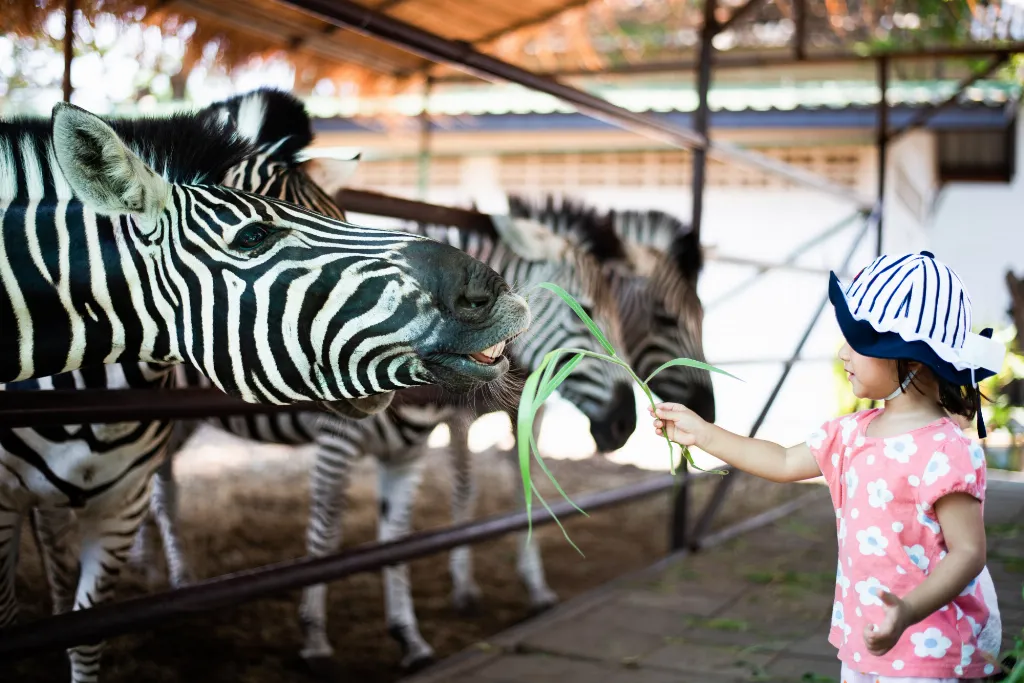
 Summer field trips can make your daycare days bright and full of learning. In this guide you will find ideas that work well in #Wisconsin for young children, tips to keep everyone safe, and ways to connect trips to everyday classroom #learning. Focus on the children, keep plans simple, and use good supervision to boost confidence and joy.
What summer sites in Wisconsin work best for daycare field trips?
Pick nearby places that match your group’s age and energy. Here are easy, popular choices that lead to hands-on fun and learning.
- 🖼️ Children's museums (Madison, Green Bay, Stevens Point, Milwaukee). These spaces are tailored for young learners and give lots of sensory play. See ideas in ChildCareEd’s Wisconsin field trip guide: Best Daycare Field Trip Ideas in Wisconsin.
- 🌲 Nature centers and parks (Carpenter Nature Center, state parks). Use trails, pond edges, and short guided hikes to teach science and motor skills.
- 🐄 Farms and petting zoos. Young children love animals and safe, short visits build curiosity about food and life cycles.
- 💦 Splash pads and supervised water play. Plan short water time with life jackets and a water-watcher. For water guidance see the Red Cross water safety tips.
- 📚 Libraries, fire stations, and local business tours. Low-cost and community-based options that support social studies learning.
When choosing sites, ask these 3 quick questions:
- Is it within easy travel time for toddlers and preschoolers?
- Does the site offer quiet spots for rest or shade?
- Can staff easily set boundaries and supervise children?
For more statewide ideas and planning tips, link to ChildCareEd’s field trip resources such as Fun Field Trip Ideas and their Field Trip Planning guidance.
How do I plan and keep kids safe on summer field trips?
Safety is the top priority for every #fieldtrips plan. Use clear roles, checklists, and active supervision. ChildCareEd offers trainings to help with planning and safety, like Transportation and Field Trip Safety Buy Now $25.00 and Enriching Education: Field Trips  Buy Now $16.00.
Follow these planning steps:
- 📋 Paperwork: Get signed permission slips, emergency contacts, and health forms before you go.
- 👥 Staffing: Assign roles (leader, counter, medic) and confirm staff-to-child ratios for travel and on site.
- 🧭 Site check: Call ahead to learn rules, group limits, restroom locations, and accessibility.
- 🆘 Emergency kit: Pack first-aid, medications, water, sunscreen, and a charged phone.
- 🚍 Transportation: Use seat belts/child restraints and seating plans. Review vehicle safety and driver checks in ChildCareEd’s transportation course (Transportation and Field Trip Safety Buy Now $25.00). Also review summer-specific vehicle precautions—such as preventing heat-related illness, safe interior temperatures, and hot-car checklists—in ChildCareEd's Vehicle Safety Tips for Summer resource.
Active supervision tips:
- Use a clear boundary and a buddy system.
- Wear bright shirts or name tags so kids are easy to spot.
- Count children often—before loading, after stops, and before reboarding.
Follow public health and outdoor safety best practices from trusted sources like the CDC. For water play, use Red Cross layers of protection: life jackets, barriers, and a dedicated water-watcher (Red Cross water safety).
How can I connect summer field trips to classroom learning and include families?
Field trips are richer when they link to your daily goals. Plan learning before, during, and after the outing. ChildCareEd explains how trips can be part of your curriculum in their Enriching Education: Field Trips Buy Now $16.00 course and Field Trip Planning resources.
Try this 3-step learning loop:
- Before: Read a short book or show pictures. Teach one or two new words. Make a visual schedule so children know what will happen.
- During: Ask simple observation questions: “What do you see?” “What do you hear?” Use a quick scavenger list to guide noticing. For scavenger ideas see ChildCareEd’s classroom scavenger hunt tips (Fun Field Trip Ideas).
- After: Let children draw, dictate stories, or build a class book about the trip.
Family inclusion ideas:
- 📸 Share photos and short notes after the trip.
- 🤝 Invite optional family volunteers for chaperone shifts, with clear role descriptions.
- ♿ Plan accommodations: ask families about mobility, medical, or sensory needs ahead of time so every child can join.
Why it matters: these shared experiences build vocabulary, social skills, and trust between families and your program. Use a strength-based tone when you inform families—share what children will do and learn, and how you will keep them safe.
How can I keep costs low and make summer trips hands-on and nature-based?
Great trips don’t need big budgets. Use community places, local experts, and nature to make learning lively. The EPA and local grants often support environmental learning programs in Wisconsin—look for partnerships and free programs to extend your budget (EPA Wisconsin grants).
Low-cost and nature-based strategies:
- 🌿 Use nearby parks for short guided hikes, sensory stations, and simple science experiments like leaf rubbings.
- 🐞 Invite community speakers or mobile programs to visit your site—farms, nature centers, or environmental educators often visit for low cost or free.
- 📚 Partner with libraries for storytimes or meet firefighters at the local station for free tours.
- 🎒 Create a reusable trip kit: clipboards, pencils, water bottles, small first-aid supplies, and a laminated roster.
- 🔁 Bring the trip to your center: petting animals, mobile museums, or guest artists can offer the experience onsite. You can also plan a supervised outdoor STEM activity like helping children build a water rocket, which pairs simple physics with safe water play.
Common mistakes and how to avoid them:
- ❌ Over-scheduling activities — Keep outings short and simple for young attention spans.
- ❌ Not assigning staff roles — Write down who does what and share it before you leave.
- ❌ Forgetting to check site rules — Call ahead to confirm group sizes, costs, and accessibility.
Conclusion
Summer field trips in #Wisconsin can be safe, low-cost, and full of learning when you pick age-appropriate sites, plan carefully, and connect trips to your curriculum. Use ChildCareEd resources like Best Daycare Field Trip Ideas in Wisconsin, Field Trip Planning, and Transportation and Field Trip Safety Buy Now $25.00 for more templates and trainings. Remember: small, well-run trips often make the biggest memories and learning gains for the children in your care.
FAQ
- Q: How long should a preschool field trip be? A: Keep outings 1–2 hours with extra time for transitions and rest.
- Q: Do I need extra insurance? A: Check your program policy and the site’s requirements; state requirements vary - check your state licensing agency.
- Q: What if a child has allergies? A: Collect health info ahead of time and bring allergy plans and medications.
- Q: Can toddlers join water play? A: Only with lifeguards or trained water-watcher, life jackets, and strict supervision. See Red Cross water guidance.
Buy Now $16.00.- Appropriate Precautions in Transportation of Children
- Professional Presence in Early Childhood
- Transportation and Field Trip Safety
- Transportation and Field Trip Safety in the Early Childhood Environment
- Key Elements of an After School Program
- Creating Environments that Nurture Growth and Community
- CDA Infants/Toddlers: Stages of Development
- Enriching Education: Field Trips
- Supporting Families and Caregivers in Language and Literacy
- Proporciones de Cuidado Infantil y Tamaños de Grupo por Edad en Wisconsin (Guía Rápida para Centros y Hogares)
- Cómo Trabajar en el Cuidado Infantil en Wisconsin: Requisitos y Pasos
- Cómo Ser Maestra de Preescolar en Wisconsin
- Capacitación Previa al Servicio para Proveedores de Cuidado Infantil en Wisconsin
- Las Mejores Ideas de Excursiones para Guarderías en Dakota del Norte
- Las Mejores Ideas de Excursiones para Guarderías en Texas
- Las Mejores Ideas de Excursiones para Guarderías en Georgia
- Capacitación Previa al Servicio para Proveedores de Cuidado Infantil en Texas
- Best Daycare Field Trip Ideas in Wisconsin
- Summer Field Trips for Daycares in Georgia
- Summer Field Trips for Daycares in Nevada
- Summer Field Trips for Daycares in Texas
- Summer Field Trips for Daycares in Wisconsin
- Summer Field Trips for Daycares in Virginia
- Summer Field Trips for Daycares in Maryland
- Summer Field Trips for Daycares in North Carolina
- Summer Field Trips for Daycares in California
- Summer Field Trips for Daycares in Illinois
- Safe Temperature Regulations in Daycare: Wisconsin Rules for Child Care Providers
- How can Michigan providers support children with special needs over the summer?
