National Grandparents Day is observed on the first Sunday after Labor Day. The Administration for Community Living notes that the observance has been designated since 1978 (National Grandparents Day: Sunday September 11).
Relationships across generations can offer children opportunities to share stories, build connections, and learn about family traditions such as #culture, #stories, and #connection. Read about Read about how intergenerational activities can support children’s learning for related ideas. Grandparents Day is one occasion to recognize those relationships while respecting the many forms a family can take.
How can a child care program celebrate Grandparents Day inclusively?
Invite grandparents to spend time in the classroom with their grandchildren. For additional planning ideas, see how to meaningfully involve grandparents in a daycare program. Grandparents can help in the classroom, share lunch with their grandchildren, or read stories to the class. Consider those children who may not have grandparents or their grandparents are unable to visit. Invite important adults in children’s lives to visit as well.
Have children create a personalized keepsake for grandparents such as hand prints or a family tree.
How can educators adapt activities for different ages and family structures?
Offer several ways to participate so children can engage at their developmental level. For another intergenerational celebration example, see ideas for celebrating Senior Citizen Day in child care programs. Infants and toddlers can make marks with washable, age-appropriate materials while an educator narrates the process; preschoolers can dictate a caption for artwork, draw a family map, or help choose a story to share. Keep activities voluntary and focus on children’s relationships and experiences rather than assuming every child has a grandparent who can attend.
Invite each child to identify a trusted adult or important person in their life, if they wish. For more strategies, see ways to make family-themed writing activities inclusive. Use inclusive language such as “special person” or “family member,” and let children decide what they want to share. Avoid asking children to explain a relative’s absence or family circumstances in front of peers. These principles also apply to inclusive family-centered celebrations and support #belonging and #inclusion. Provide alternatives such as creating a card for someone at home, making a classroom book about caring relationships, or sharing a story with a familiar educator.
For a keepsake, children might draw a portrait, dictate a message, or contribute a leaf to a classroom “people who care for us” tree. Let families choose whether to send a photo or participate remotely; do not require personal photographs or family details. These approaches keep the activity focused on connection, agency, and belonging.
What activities can children share with grandparents?
Help children write a letter to their grandparents. Have children discuss what they love about their grandparents or a favorite memory they have.
Other options include inviting a family member to read a familiar story, recording a short oral-history conversation, or asking a guest to demonstrate a song, game, or skill they enjoy. Explore more intergenerational activities for children and older adults for additional ideas. Before a visit, check with the family about the child’s comfort and the guest’s availability. Offer a remote contribution or a staff-read story as an alternative, and follow program procedures for visitors, supervision, and photography.
Keep conversations open-ended and avoid treating any one family tradition as universal. Children might ask, “What games did you like as a child?” or “What is a story you enjoy telling?” An educator can help children listen, take turns, and respond respectfully. If a child prefers not to speak or participate, provide a quiet alternative without pressure.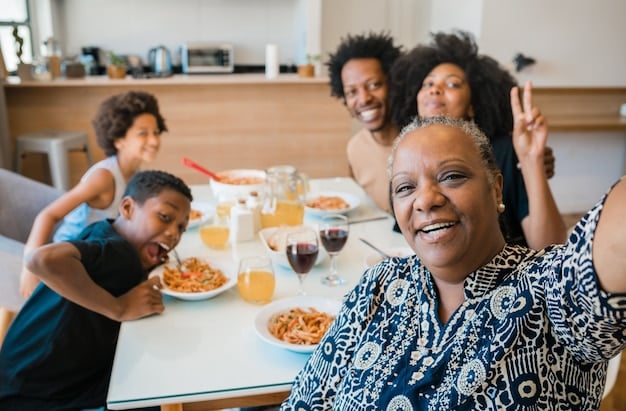
When is National Grandparents Day, and when did it begin?
In the United States, National Grandparents Day falls on the first Sunday after Labor Day. The Administration for Community Living notes that the first Sunday after Labor Day has been designated as a day to honor grandparents since 1978. Because the calendar date changes each year, check a current calendar when planning a classroom event.
The observance offers a familiar opportunity to recognize connections between children and older adults, but a classroom celebration need not depend on a particular date. Educators can adapt the idea to a family event, a classroom community-building activity, or an intergenerational visit scheduled when families and guests are available. Keep the purpose clear: affirm caring relationships, invite children to share only what they choose, and make participation accessible to varied family structures.
How can educators plan a respectful and accessible visit?
Begin by asking families whether a visit would be welcome and whether the child is comfortable participating. Do not assume that every grandparent is available, lives nearby, or has an active relationship with the child. A family may also prefer that a different trusted adult attend. Offer options such as an in-person visit, a brief remote greeting, a family-contributed story or song, or participation led by a familiar educator. Treat each option as equally valued rather than as a substitute that needs explanation.
Before the event, share the purpose, approximate schedule, visitor expectations, and any accessibility considerations with families. Ask guests what they would like to contribute instead of assigning them a role based on age or presumed abilities. For example, a guest might share a story, demonstrate a hobby, talk about a game they enjoyed, or simply join the child for a classroom activity. Follow program procedures for visitor check-in, supervision, confidentiality, and photography; obtain required permissions before taking or sharing images.
During the activity, prepare children for the visit with a simple explanation of what will happen and how they can participate. Model turn-taking and respectful listening, and provide a quiet space or alternate activity for children who need a break. Afterward, invite children to reflect through drawing, conversation, or dictated words, while allowing them to pass. These choices support autonomy and belonging while keeping family circumstances private.
Educators can also make the celebration a meaningful learning experience without turning family stories into a performance. Invite children to notice similarities and differences in games, songs, or daily routines, while emphasizing that no single tradition represents every family. Use open-ended questions and accurate, nonjudgmental language. If a child shares something personal, respond with care and avoid pressing for more details in front of peers. The goal is to create a welcoming setting where children’s identities and relationships are respected.
How can educators summarize the celebration meaningfully?
In summary, an inclusive Grandparents Day celebration centers children’s relationships rather than a single definition of family. Offer developmentally appropriate activities, provide more than one way to participate, and respect each child’s choice to share or observe. Coordinate with families, follow visitor and privacy procedures, and recognize trusted adults without asking children to disclose personal circumstances. These practices help make the event welcoming, purposeful, and responsive to the children in your care.
Conclude with a brief reflection: invite children to name or draw something they enjoyed, or let them choose a message to send home. Participation should remain optional, and educators can recognize trusted adults and family members without requiring a child to share private information. A thoughtful celebration values children’s relationships, respects varied family structures, and gives each child an appropriate way to take part.
The following H&H Child Care Training Center (ChildCareEd)’s trainings explore ways to include families in the classroom and make meaningful connections.

- 45 Hour Child Growth and Development
- Basic Health & Safety and Breastfeeding Awareness
- 45 Hour Preschool Methods and Materials
- 45 Hour Infant and Toddler Methods and Materials
- Pediatric RSV First Aid & CPR/AED
- 45 Hour School Age Methods and Materials
- Emergent Learning & Development
- Texas Director Credential Renewal
- Texas Director Credential
- Why Celebrate Labor Day?
- Texas instructor-led requirement
- CDA Certification en Español: Recursos y Consejos para Educadores Bilingües
- ¿Cómo solicito la licencia para una guardería en California?
- Reglas de Cuidado Infantil en Carolina del Norte para Centros y Hogares de Cuidado Infantil Familiar
- Cómo Celebrar el Día Nacional del Kindergarten
- Temas y Actividades para el Día Nacional del Kindergarten para Proveedores
- Cómo Trabajar en el Cuidado Infantil en California: Requisitos y Pasos
- Father’s Day School Event Ideas for Early Childhood
- Celebrando la amistad en el cuidado infantil durante el Día de los Mejores Amigos
- Diversión fresca de verano: actividades del Día Nacional del Helado para niños
- Intergenerational Activities That Bring Children and Seniors Together
- How can I meaningfully involve grandparents in my daycare program?
- Toddler Classroom Schedule: A Full-Day Example from Drop-Off to Pick-Up
- 15 Around-the-World Activities Toddlers Can Explore Through Play
- Preschool Schedule That Works: When to Plan Centers, Circle Time, and Outdoor Play
- How Can Child Care Programs Celebrate Hispanic Heritage Month Meaningfully?
- How Can Child Care Providers Extend Ten-Frame Learning from 11 to 20?
- How Can Child Care Providers Create Inclusive Father’s Day Activities for Diverse Family Structures?
