As a child care leader or teacher you want a classroom where the youngest children can learn, sleep, eat, and grow safely. In this article you will find simple steps and checklists to use today. Think about the basics: #infant #safety #sleep #supervision #choking. Use short routines, clear rules, and team training so everyone in your program acts the same way. State requirements vary - check your state licensing agency.
Why does infant classroom safety matter?
1) Parents trust your program with their most precious babies. Keeping infants safe builds that trust and reduces real risks. A safe classroom helps children feel calm and learn better.
2) Babies are different from older children. They explore with hands and mouths, sleep a lot, and need help with feeding and diapering. That means small hazards can become big problems fast. For clear lists of common baby hazards and prevention ideas, see Common Baby Safety Hazards and How to Prevent Them.
3) Practical benefits of strong safety routines:
- Fewer serious injuries and emergencies.
- Less stress for staff and families.
- Better quality care because teachers can focus on learning, not chaos.
Why it matters: small, everyday steps (sleep checks, clean toys, counted transitions) save lives and help your team feel confident. For a full safety checklist to use in training, look at the Baby Safety Checklist Buy Now $0.00.
What daily checks and room setup keep infants safe?
1) Start each day with a quick room walk-through. Use a short, numbered checklist so staff do the same checks every morning. For ideas, see Preventing Injuries in Child Care Classrooms.
2) Key daily checks (use enumeration):
- 🔍 Cribs: firm mattress, fitted sheet only, no bumpers or toys. See safe sleep guidance.
- 🧸 Toys: no small parts for infants; use the toilet-paper-roll test for choking hazards. See choking info at ChildCareEd.
- 🔒 Cabinets & meds: locked and out of reach; post poison control numbers.
- 🧼 Cleanliness: sanitize mouthed toys after use and high-touch surfaces daily per CDC advice: Cleaning & Disinfecting ECE Settings.
- 👀 Sight lines: lower shelves and clear paths so staff can see all children.
3) Furniture and equipment safety tips:
- Anchor heavy furniture and check cribs meet CPSC standards.
- Keep cords and window blind strings out of reach.
- Post room ratios and roster at the door so staff can count quickly.
How can we prevent the biggest risks: choking, unsafe sleep, and falls?
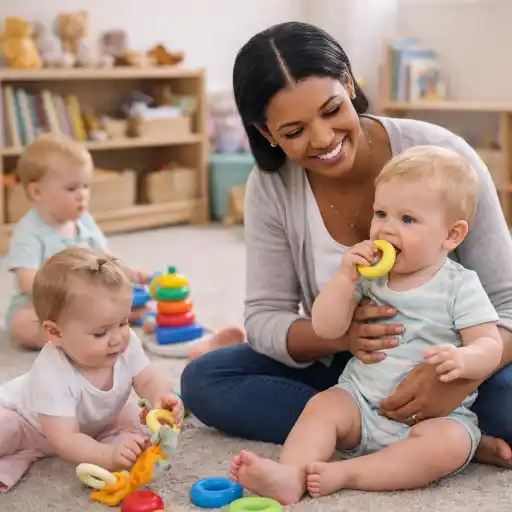
1) Choking prevention (mealtime and toys):
- 🍎 Prepare food safely: mash or puree for infants; cut round foods into small pieces for older babies. See guidance at Choking Hazards.
- 👀 Supervise all meal and snack times closely; have trained staff ready for choking emergencies (pediatric #CPR and choking response).
2) Safe sleep (simple rules every nap):
- 😴 Always place infants on their backs on a firm crib mattress with only a fitted sheet.
- 🧥 Use sleep sacks if needed — no loose blankets, pillows, bumpers, or toys. Read the program guide: Safe Sleep in Child Care and the SIDS checklist: Creating a SIDS-Safe Environment.
3) Falls and tipping:
- 🔧 Secure shelving and equipment; remove climbable hazards in infant areas.
- 🚫 Keep hot liquids and small objects out of reach.
How do we train staff and prepare for emergencies?
1) Training basics (use numbering):
- 🩺 All infant caregivers should have pediatric first aid and CPR. Consider the ChildCareEd blended course: Pediatric First Aid & CPR/AED Buy Now
$85.00$80.00. To help motivate staff and clarify program benefits, see the 10 life-changing benefits of First Aid and CPR training with AidCPR. - 📚 Use short, repeated practice drills: choking response, evacuation, and nap checks. Practice with real equipment and role-play.
- 👥 Assign clear roles in every emergency: who calls 911, who gathers the Go-Bag, who supervises kids. Keep the steps posted.
2) Emergency kit and planning:
- 🎒 Keep a classroom Go-Bag with attendance, meds, first aid, snacks, and blankets. See Your Emergency Go-Bag.
- 📑 Store health forms, consent, and emergency contacts in waterproof sleeves in the bag.
- 🗓 Review and restock the bag every 3–6 months and practice grabbing it during drills.
3) Planning resources: use free and paid trainings from ChildCareEd training resources Buy Now $0.00 and FEMA’s childcare emergency course (IS-36) for planning basics.
Conclusion: What are the most important next steps?
1) Quick weekly checklist you can start this week:
- ✅ Post the room roster and ratio chart.
- ✅ Do a 5-minute morning safety walk and sign the checklist.
- ✅ Confirm one staff member is up-to-date on pediatric CPR.
2) Common mistakes and how to avoid them:
- ❌ Mixing age groups without adjusting ratios — fix by using the youngest child’s ratio and adding a floater.
- ❌ Letting nap rules slip — fix by posting a crib checklist and training substitutes.
- ❌ Relying only on monitors — fix by practicing active visual checks and keeping clear sight lines. See active supervision tips: 7 Active Supervision Strategies.
3) Short FAQ:
- Q: How often should staff check sleeping infants? A: Follow your policy and document checks; keep cribs visible and do regular visual checks. See safe sleep resources above.
- Q: What training is required? A: Pediatric first aid and CPR are essential; state rules vary—check your licensing agency.
You are doing important, life-saving work. Keep routines simple, train often, and use the checklists and courses from ChildCareEd to support your team.
- How To Keep A Healthy Class for Infants/Toddlers
- SIDS: Saving Babies: A Change of Position, A Change in Tradition
- Basic Health & Safety and Breastfeeding Awareness
- 1,2,3, Eyes on Me: Classroom Safety
- Pediatric RSV First Aid & CPR/AED
- Positive Attention: Interactions & Supervision for Infants & Toddlers
- Safe Sleep Training
- Texas Director Credential
- Prevention of Sudden Infant Death Syndrome and Use of Safe Sleep Practices
- Recursos en Español sobre el Sueño Seguro del Bebé
- How can childcare centers protect health, hygiene, and safety every day?
- How Can California Early Childhood Educators Keep Classrooms Safe During Earthquake Drills and Daily Routines?
- How can we create safe environments for infants and toddlers?
- What are the best infant care practices for New York child care providers?
- How can Safe Sleep Training help childcare providers keep babies safe?
- How can child care staff be trained to keep babies safe during sleep?
- How should we handle feeding and nutrition for infants and toddlers?
- Infant Room Ratios: Safety, Supervision, and Care
- How Long Can a Daycare Stay Open Without Power?
- Power Outage at Daycare: Safety, Licensing, and Next Steps
- How can you turn summer days into learning moments at your Minnesota program?
- How can infant teachers use Safe Sleep Training to keep babies safe?
- How can we keep diapering safe in child care?
- How can safe sleep training help child care providers keep babies safe?
- How can we manage nap and rest time in small New York child care spaces?
- What Changes in Infant Exploration After You Rearrange the Room?
- Infant Room Storage: How Can You Keep Extra Items Out of Sleep Spaces?
