 As a child care provider or director you keep little ones safe every day. This article explains the common hazards babies face, why they matter, and clear steps you can use in your center. You will find simple checks, links to trusted guides, and ideas for training and family notes. Use the checklist tips to protect the youngest children in your care and to build parent trust. For training tools and center-ready resources, see ChildCareEd’s guide on preventing injuries.
What are the most common hazards I will see with babies?
Babies explore with their mouths and hands. The top hazards you will see in a child care setting include:
🍽️ Choking and unsafe foods — small, round, or hard foods and messy textures. See practical lists and age advice at CDC Choking Hazards and the center-focused tips at ChildCareEd: Choking Hazards by Age. #choking
😴 Unsafe sleep — soft bedding, wrong sleep position, or shared sleep surfaces raise SIDS/SUID risk. Follow safe sleep rules from Safe Sleep guide and CDC safe sleep. #sleep
💧 Drowning — pools, buckets, tubs, and even buckets of water can be deadly. Use layers of protection and watch water safety tips from the Red Cross. #water
⚡ Poisoning and chemicals — medicines, cleaning products, and small button batteries. Keep these locked and out of reach and consult ChildCareEd’s First Aid Kit Checklist Buy Now $0.00.
🔗 Strangulation and entrapment — cords, blind strings, crib gaps, and loose straps. Safety checks from Nemours help reduce this risk.
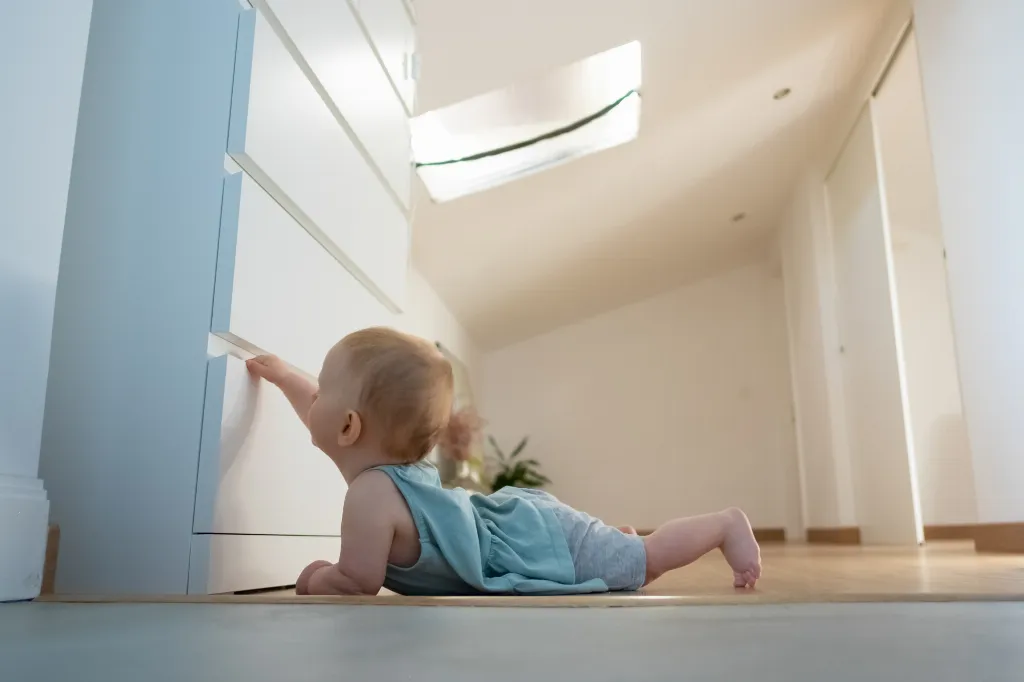
🔥 Burns, falls, and tipping furniture — hot surfaces, climbing hazards, and unstable shelving. Use active supervision and secure heavy furniture as part of daily checks.
Keep daily walk-throughs and a short morning checklist. Inspect toys, sleep areas, and water sources before children arrive. For program-wide action steps, review ChildCareEd’s safety culture actions Buy Now $0.00. #babies #safety
How can I prevent choking and food hazards during meals?
Meal time is a high-risk moment. Use these easy rules to reduce choking risk and support staff consistency.
🍎 Food prep rules:
-
Infants (under 12 months): mash or puree foods. No honey or cow’s milk before 12 months. See CDC foods to avoid.
-
Toddlers (12–36 months): cut round foods (grapes, cherry tomatoes) into quarters, slice hot dogs lengthwise, and avoid whole nuts, popcorn, and hard candy. See the CDC choking list and ChildCareEd guidance.
-
Preschoolers (3–5 years): continue supervision and avoid candy or gum that can lodge in a young airway.
🍽️ Mealtime habits:
- Always have children sit while eating; no walking or playing with food.
- Keep meals calm and distraction-free. Watch every child while they eat.
👥 Staff training and readiness:
- Train all staff in pediatric first aid, #CPR, and choking response; ChildCareEd and local Red Cross classes are good options (ChildCareEd First Aid & CPR Buy Now $95.00).
- Run quick drills and post emergency roles so everyone knows who calls 911 and who gives care. State requirements vary - check your state licensing agency.
🔍 Environment checks:
- Keep small objects and toy parts away from infants and toddlers. Use the toilet-paper-roll test for small parts.
- Inspect snack containers and party foods before serving.
After any choking event, seek medical evaluation. For more meal and snack tips, use center resources like ChildCareEd’s Intentional Safety resources.
How do I keep sleep and crib areas safe for infants?
Safe sleep is one of the most important areas of infant care. Follow clear, consistent rules so every staff member and family understands them.
😴 Sleep position and surface:
- Always place infants on their backs for sleep — naps and at night. This follows AAP and CDC guidance (CDC Safe Sleep).
- Use firm, flat mattresses made for that crib and a tight-fitted sheet only. No inclined sleepers or soft surfaces.
🛏️ Bedding and items in the crib:
- Keep cribs bare: no blankets, pillows, bumper pads, or stuffed animals. Use sleep sacks or wearable blankets if extra warmth is needed. See ChildCareEd’s SIDS Safety Checklist for a full crib audit.
- One infant per crib. Remove mobiles or toys when baby can push up on hands and knees.
👀 Supervision and documentation:
- Use active supervision — staff must be able to see and hear sleeping babies and perform regular checks. Document sleep checks per your policy and licensing rules.
- Communicate your safe sleep policy to families and have signed acknowledgements. If a parent requests a different sleep practice, follow policy and require written, physician-approved instructions if needed.
📋 Training and policy:
- Provide annual training on safe sleep for all staff and include substitutes. Use ChildCareEd courses and the CDC materials to keep policies current.
- Run crib and sleep audits using checklists like ChildCareEd’s Crib Safety Guidelines Buy Now $0.00.
Keeping sleep spaces consistent, simple, and documented reduces risk and gives families peace of mind. #sleep #safety
What else should we check in the room and how do we prepare for emergencies?
Beyond food and sleep, many hazards hide in plain sight. Use these steps to keep the whole room and the staff ready.
🔒 Secure hazards and poison prevention:
- Lock medicines, cleaning products, and small batteries in high, locked cabinets. See Nemours tips on preventing strangulation and poisoning (Nemours).
- Post poison control numbers and emergency contacts; keep a full first-aid kit per ChildCareEd’s checklist Buy Now $0.00.
💧 Water and outdoors:
- Use layers of protection for any water — fences, life jackets, and active water watchers. See the Red Cross water safety.
- Never leave a child alone near tubs, buckets, or pools. Even a few inches of water are dangerous.
🧼 Clean, sanitize, and maintain:
- Clean toys and surfaces after use and disinfect when needed following CDC guidance: CDC cleaning & disinfecting.
- Discard broken toys, secure loose parts, and check furniture stability daily.
👩⚕️ Training and emergency readiness:
- Train all staff on pediatric first aid, #CPR, and emergency roles. Use hands-on courses like ChildCareEd First Aid & CPR Buy Now $95.00.
- Practice drills for choking, fire, and water emergencies and post clear steps. Keep records of drills and training—licensing often requires documentation.
FAQ:
Q: Can a baby sleep with a pacifier? A: Yes, if parents agree. Use a clean pacifier and do not attach strings. See ChildCareEd safe sleep.
Q: When should I call 911 for choking? A: Call 911 if the child cannot cough, speak, breathe, or becomes unresponsive.
Q: How often should toys be sanitized? A: Sanitize mouthed toys after each use and high-touch surfaces daily.
Q: Do we need written safe sleep policies? A: Yes. Share them with families and document training.
- Basic Health & Safety and Breastfeeding Awareness
- Success in Safety for Babies
- Health and Safety Orientation
- 1,2,3, Eyes on Me: Classroom Safety
- Texas Teacher 24 hours Annual Renewal 2nd Year
- Creating Safe & Healthy Child Care Environments
- Texas Director Credential
- Family Child Care: Building, Premises, and Outdoor Safety
- Why Safe Sleep Training Matters: Preventing SIDS and Promoting Infant Well-Being
- Recursos en Español sobre el Sueño Seguro del Bebé
- Capacitación en Salud y Seguridad Preventiva en Línea para Proveedores de Cuidado Infantil
- Cómo Trabajar en el Cuidado Infantil en California: Requisitos y Pasos
- How to Get a Daycare License in Virginia
- How can Michigan infant caregivers prevent Shaken Baby Syndrome?
- How can Washington early childhood programs keep children safe from poisonous plants and forest wildlife outdoors?
- How can we create safe environments for infants and toddlers?
- How many Minnesota child care training hours are required and how can providers earn them?
- What are safe sleep practices in childcare settings?
- How can childcare programs protect young children in North Dakota from West Nile, ticks, and extreme heat?
- Las Vegas-Level Alertness: Preventing Serious Injuries in Nevada Child Care Through Reporting, Supervision, and Safer Routines
- How Do We Keep Infants Safe in the Classroom?
- What sensory play ideas best support babies in child care?
- Online Babysitting Classes: Learn the Skills to Care for Children Safely
- Health and Safety Training: 7 Everyday Habits That Protect Children in Care
- Baby’s First Fall: Simple Ways to Explore the Season Through Play
- What Must Texas Child Care Programs Put in Writing for Safe Sleep?
- Nursery Snack Ideas by Age: What Can Babies, Toddlers, and Preschoolers Safely Eat?
- How Can Child Care Providers Make Sensory Play for Babies Safe, Simple, and Developmentally Appropriate?
