Keeping children safe is the top job for every childcare leader. This article helps directors and providers plan simple, smart steps to protect #health, practice #hygiene, and keep a safe learning place for #children. We use short lists and practical ideas so your team can act today.
Why it matters: Healthy children miss fewer days and learn more. Good routines also protect staff and families. For rules and training, remember: state requirements vary - check your state licensing agency.
1) How can we stop germs each day?
Stopping germs is about habits and tools. Here are easy steps your team can follow every day.
- Hand hygiene
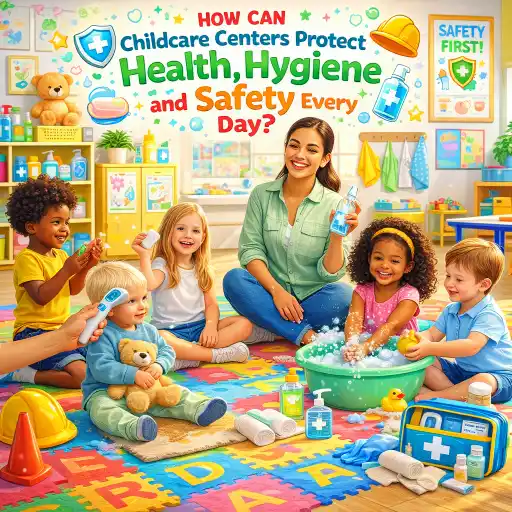
- 🧼 Wash hands with soap and water for 20 seconds. Teach children to sing while they scrub. See CDC training resources like Clean Hands and Spaces and the ChildCareEd infection control guide.
- Daily cleaning and disinfection
- ✨ Clean visible dirt first, then sanitize toys and food areas. Disinfect when someone is sick. Follow CDC steps on how to clean and disinfect.
- Diapering and toilets
- 🚼 Use a dedicated diapering area, gloves, and disposable liners. Wash hands after every diaper change. See CDC diapering tips in their childcare guidance about Crypto prevention.
- Toys and mouthed items
- 🧸 Keep a "Mouthed Toy Bin." Wash and sanitize mouthed toys daily or between uses. Use washable or dishwasher-safe toys when possible (see ChildCareEd).
- Ventilation and breaks
- 💨 Open windows when safe, move activities outside, and consider portable air cleaners when needed. CDC recommends improving ventilation in ECE settings (Preventing Infectious Diseases).
2) What policies and training keep our program ready?
Good policies make good practice last. Train staff, post rules, and keep records. Use clear steps so everyone knows what to do.
- Written policies to have now
- 📋 Sick-child policy: When to keep children or staff home.
- 💊 Medication policy: Use a template like the Medication Administration Template Buy Now $0.00.
- 🧯 Emergency plan: Fire, severe weather, and medical emergencies. Keep a first-aid list and practice drills.
- Training and records
- 👩🏫 Require pediatric first aid and CPR. Add infection control and safe sleep training. ChildCareEd courses like Safe and Sound
 Buy Now $55.00 cover many topics.
- 👩🏫 Require pediatric first aid and CPR. Add infection control and safe sleep training. ChildCareEd courses like Safe and Sound
- Communication with families
- 📣 Share your policies, allergy plans, and daily health checks. Keep family contact lists current.
- Documentation and compliance
- 🗂️ Keep training certificates and logs. Use free resources and checklists at ChildCareEd resources. Remember state rules — state requirements vary - check your state licensing agency.
3) How do we protect infants at sleep, feeding, and diapering times?
Infants need the most careful routines. Small changes make a big difference in safety.
- Safe sleep
- 🛏️ Always place babies on their backs on a firm crib with a fitted sheet. No soft bedding, pillows, or toys. See CDC safe sleep tips at Providing Care for Babies to Sleep Safely.
- Diapering best steps
- 🧴 Prepare supplies first, use gloves, clean the child, dispose of waste in a no-touch bin, then clean and disinfect the surface. Wash hands last. See diapering guidance in the ChildCareEd guide and CDC diapering notes (Crypto prevention).
- Feeding and allergies
- 🍎 Keep individual bottles and toothbrushes labelled and separate. Have food allergy plans on file and follow the CDC's food allergy guidelines.
- Responsive feeding and family-style ideas
- 🍽️ Use family-style meals to build skills and self-regulation when safe. See ChildCareEd's family-style meals guidance.
4) What mistakes should we avoid and how do we handle outbreaks?
Learning from common mistakes helps keep the center running and families confident.
- Common mistakes and fixes
- ❌ Mistake 1: Inconsistent handwashing. Fix: Post a wash hands poster Buy Now $0.00 and practice daily.
- ❌ Mistake 2: Mixing cleaning chemicals. Fix: Use products per label and never mix bleach with other cleaners. Follow CDC cleaning safety (When and How to Clean and Disinfect).
- ❌ Mistake 3: Poor documentation. Fix: Keep logs for cleaning, injuries, and medication using templates from ChildCareEd resources.
- Responding to illness or an outbreak
- 1. Notify local health department if required. 2. Isolate the sick person with supervision. 3. Clean and disinfect affected areas following CDC guidance (CDC WASH page). 4. Communicate with families and staff calmly and clearly. For some infections (like Crypto), special steps may be needed — see Crypto prevention.
- Quick FAQ
- Q1: How long should toys stay wet with disinfectant? A: Follow the product label for contact time (leave surface wet).
- Q2: Can staff wear the same clothes all week? A: No — change if soiled and wash regularly.
- Q3: When should a child stay home? A: Fever, vomiting, or diarrhea usually mean stay home. Use your sick policy and local health advice.
Conclusion
Simple steps done every day protect everyone. Start small, train your team, and use written policies. Here are 4 things to try this week:
- 🧼 Put a handwashing poster by sinks and practice with staff and children.
- 📋 Review your sick-child and medication policies. Use the Medication Administration Template Buy Now $0.00 if you need one.
- 🧸 Start a mouthed-toy bin and sanitize daily.
- 👩🏫 Schedule a short staff practice on diapering and isolation steps. Consider training from Safe and Sound Buy Now $55.00.
Protecting your program is teamwork. Use these steps and the links above to build routines that keep kids safe, healthy, and learning. For more tools, see ChildCareEd and CDC resources linked in each section. state requirements vary - check your state licensing agency.
- How To Keep A Healthy Class for Infants/Toddlers
- Safe and Sound: Creating Healthy Environments for Every Child
- Administering Basic Health and Safety ONLINE
- Pediatric RSV First Aid & CPR/AED
- 24 Hour Texas Pre-Service
- Creating Safe & Healthy Child Care Environments
- Texas Director Credential
- Everyday Safety: Creating Healthy Environments
- Shoo, Germs! Don't Bother Me!
- ¿Cuáles son las mejores actividades del Día de la Tierra para niños en casa o en el aula?
- Capacitación en Salud y Seguridad Preventiva en Línea para Proveedores de Cuidado Infantil
- Regulaciones de Cuidado Infantil en Maryland para Centros y Hogares de Cuidado Infantil Familiar
- Normas de Licenciamiento de Cuidado Infantil en Virginia para Centros Diurnos Infantiles y Hogares Diurnos Familiares
- Requisitos de Cuidado Infantil en Nueva Jersey para Centros y Proveedores de Cuidado Infantil Familiar
- Proporciones de Cuidado Infantil y Tamaños de Grupo por Edad en Maryland (Guía Rápida para Centros y Hogares)
- Proporciones de Cuidado Infantil y Tamaños de Grupo por Edad en Nueva Jersey (Guía Rápida para Centros y Hogares)
- How can childcare centers protect health, hygiene, and safety every day?
- How can childcare centers use simple health and safety best practices every day?
- Celebrando la amistad en el cuidado infantil durante el Día de los Mejores Amigos
- How can child care programs meet licensing and compliance requirements?
- Cómo simplificar la capacitación para sus empleados de daycare
- How can North Dakota child care programs protect young skin with simple sun-safety routines?
- How can I create a safe childcare environment for every age group?
- How Can You Prepare Your Classroom for Fall While Prioritizing Safety, Health, and Learning?
- Health and Safety Training: 7 Everyday Habits That Protect Children in Care
- Preschool Schedule That Works: When to Plan Centers, Circle Time, and Outdoor Play
- How Can Child Care Providers Create a Preschool Schedule That Supports Learning and Well-Being?
- How Can Preschool Routines Create Calmer, More Independent Classrooms?
- What Should a Daily Preschool Schedule Include?
