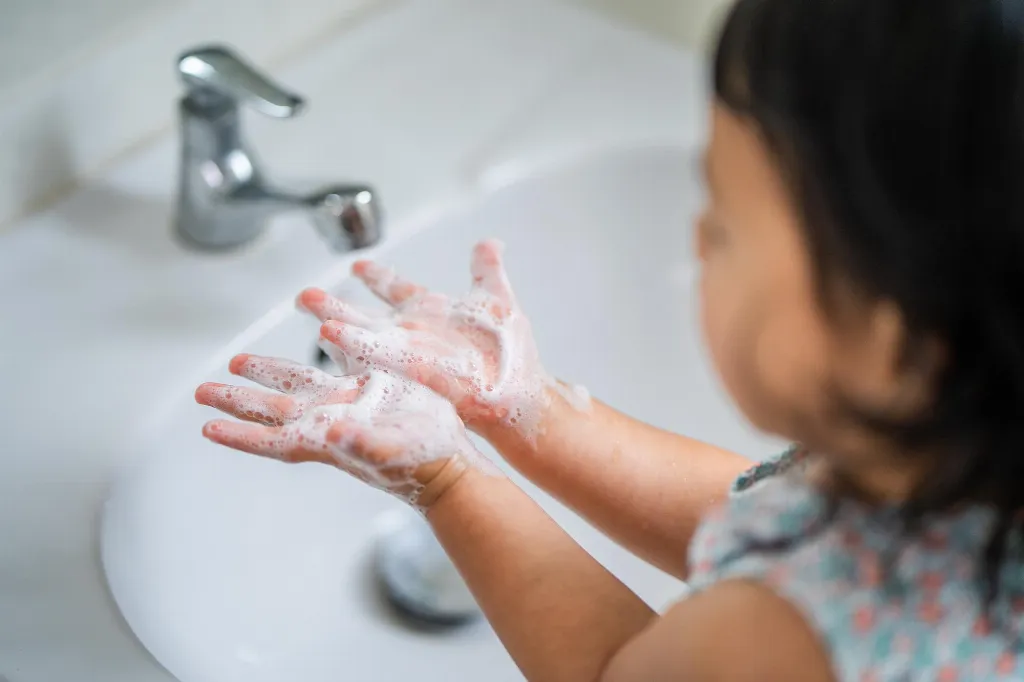
 Teaching hand washing is one of the best ways to keep your classroom healthy and happy. In child care, children share toys, tables, and learning spaces all day long. That means germs can spread quickly. When children learn how and when to wash their hands, they help protect themselves, their classmates, and their teachers. #handwashing #kids #classroom
Hand washing also builds independence. When children practice the same steps every day, they begin to remember the routine on their own. That makes daily care easier at school and at home. A simple child-friendly script works well for young learners: wet, soap, scrub, rinse, dry.
When should children wash their hands?
Children should wash their hands at the key times during the day when germs are most likely to spread. Keeping the list short and posting it near the sink can help children remember.
Teach children to wash their hands:
-
When they arrive
-
Before eating or helping with food
-
After using the toilet
-
After diapering
-
After outdoor play
-
After messy play
-
After coughing, sneezing, or touching body fluids
These are easy times to teach because they already fit into the daily routine.
How should children wash their hands?
Use the same five steps every time so children can learn the pattern.
-
Wet hands with water
-
Soap hands well
-
Scrub for 20 seconds
-
Rinse with water
-
Dry with a clean towel
This short script is easy for children to remember and easy for staff to teach. You can make the 20-second scrub more fun by adding a short song, rhyme, or mini story.
Related ChildCareEd article:
Health and safety refreshers
What fun activities help kids learn hand washing?
Young children learn best when lessons are playful and easy to repeat. Hand washing does not need to feel like a lecture. A few simple games and demonstrations can make the routine stick.
Try these ideas:
-
Glitter germ demo: Put a little glitter on lotion, rub it on hands, and let children see how “germs” spread.
-
Pepper and soap experiment: Add black pepper to water and show how soap makes the pepper move away.
-
Handwashing song: Sing during the scrub step so children wash long enough.
-
Step-card game: Use picture cards for wet, soap, scrub, rinse, and dry. Let children put them in order.
-
Sink stories: Tell a very short story while children scrub.
These activities work well because they make an invisible idea easier to understand.
Related ChildCareEd article:
Handwashing for kids: fun ways to teach it
How can teachers set up the room for success?
Classroom setup makes a big difference. Children are more likely to wash their hands well when the sink area is easy to use.
Helpful setup ideas include:
-
Step stools for sinks
-
Easy-to-use soap pumps
-
Paper towels close by
-
A trash can near the sink
-
Picture cues or posters by the sink
-
Simple routine reminders like “First wash, then snack”
A very helpful ChildCareEd resource for this is the Wash Your Hands Poster, which you can post right by the sink:
Wash Your Hands Poster Buy Now $0.00
How can programs work with families to build the habit?
Children learn routines faster when they see the same message at school and at home. That is why family communication matters.
Try these simple ideas:
-
Send home the 5 handwashing steps
-
Share your classroom handwashing song
-
Give families a short “when to wash” list
-
Encourage parents to model hand washing at home
-
Share a poster or visual reminder families can use
When families and teachers use the same words and steps, children are more likely to remember the habit.
What mistakes should providers avoid?
A few small changes can make handwashing instruction much more effective.
Avoid these common mistakes:
-
Making hand washing feel like punishment
-
Giving long explanations instead of simple steps
-
Changing the routine too often
-
Leaving soap where toddlers can spill it easily
-
Rushing children through the scrub step
Instead, keep your language short and kind. Use the same order every time. Calmly remind children to try again when needed.
Related ChildCareEd Courses
-
Shoo, Germs! Don’t Bother Me!
https://www.childcareed.com/courses-shoo-germs-don-t-bother-me.html Buy Now $24.00
 -
How To Keep A Healthy Class for Infants/Toddlers
https://www.childcareed.com/courses-how-to-keep-a-healthy-class-for-infants-toddlers.html Buy Now $32.00 -
Prevention and Control of Infectious Diseases
https://www.childcareed.com/courses-prevention-and-control-of-infectious-diseases.html Buy Now $16.00 -
How To Keep A Healthy Class: Six Tips for Germ Control
https://www.childcareed.com/courses-how-to-keep-a-healthy-class-six-tips-for-germ-control.html Buy Now $24.00
Related ChildCareEd Articles
-
Handwashing for Kids: Fun Ways to Teach It
https://www.childcareed.com/a/handwashing-for-kids-fun-ways-to-teach-it.html -
Infection Control Practices for Child Care Settings
https://www.childcareed.com/a/infection-control-practices-for-child-care-settings.html -
Health and Safety Refreshers: Handwashing, Sanitation, and Illness Policies
https://www.childcareed.com/a/health-and-safety-refreshers-handwashing-sanitation-and-illness-policies.html -
Back to School: Tips to Tackle Germs and Keep Kids Healthy
https://www.childcareed.com/a/back-to-school-tips-to-tackle-germs-and-keep-kids-healthy.html
Related ChildCareEd Resources
-
Wash Your Hands Poster
https://www.childcareed.com/r-00860-wash-your-hands-poster.html Buy Now $0.00 -
Child Care Guidance for Illness, Infections, Exclusions and Reportable Diseases
https://www.childcareed.com/teacher-resources/00303_r_illnesses-reportable-diseases-guidelines-all-ages-health.pdf
- Moving About the Classroom: Effective Transitions for Everyday
- CDA Home Visitor Subject Area 3 Part 3 Birth to 5
- 1,2,3, Eyes on Me: Classroom Safety
- From Tantrums to Triumphs: Equipping Preschoolers with Self-Regulation Skills
- Birth to Five CDA Credential with Portfolio Review
- Injury Prevention: Their Safety Is In Your Hands
- CDA Infant/Toddler: Parent Relationships
- Mind's Medicine: Music in Early Childhood
- Moving About the Classroom: Effective Transitions for Everyday
- Back to School: Tips to Tackle Germs and Keep Kids Healthy
- How to Include Kids in the Kitchen
- ❄️ ¿Qué actividades al aire libre funcionan bien para los niños de Illinois en cada estación? 🌷🍂
- Handwashing for kids: fun ways to teach it
- Wash, Scrub, Shine! Fun Ways to Teach Hand Washing to Kids
- Consejos de Supervisión Activa para Salones de Preescolar y el Juego al Aire Libre
- Cómo Trabajar en el Cuidado Infantil en California: Requisitos y Pasos
- Cómo Ser Maestra de Preescolar en Maryland
- Las Mejores Ideas de Excursiones para Guarderías en Texas
- Canciones, juegos y preguntas de círculo para niños
- How Can Minnesota Child Care Programs Build A Strong Handwashing And Hygiene Routine?
- Which Handwashing Activities Best Help Young Children Build Healthy Habits?
- How can child care programs build healthy hygiene habits?
- How Can We Make Handwashing Fun and a Reliable Daily Routine?
- What Are the Best Practices for Diapering and Handwashing Procedures in Child Care?
- What Handwashing Rules Should Every Child Care Provider Teach?
- How Can You Teach a Handwashing Routine Young Children Can Follow Independently?
- How Can Child Care Programs Make Handwashing Possible During the Busiest Part of the Day?
- How Can Child Care Programs Reduce Germ Spread in Shared Bathrooms?
- How Can You Teach Classroom Visitors Your Handwashing Routine?
