Why does handwashing #matter so much in child care?
In group care, germs can spread fast because children #play close together and share materials. Handwashing is one of the quickest ways to lower the spread of illness in a #classroom.
Handwashing also builds independence. When children #learn the routine #early, they can do more for themselves later—at school, at #home, and in the community.
When should children wash their hands?
A helpful rule is: wash hands when children arrive, before they eat, and after messy or bathroom times. ChildCareEd’s #health-and- #safety refresher article also reminds providers that timing #matters—not only “after the bathroom.”
Try posting a simple “wash hands” schedule (with pictures) and practicing it every day:
- When they arrive in the classroom
- Before eating or helping with food
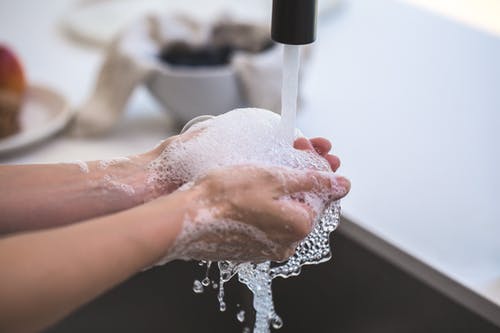
- After using the toilet or having a diaper change
- After #outdoor-play
- After coughing, sneezing, or wiping one's nose
- After #sensory-play (water tables, shared bins, play dough)
What are the 5 steps for good handwashing?
Keep the words short and the steps the same each time. ChildCareEd shares the 5-step idea (wet, lather, scrub, rinse, dry) and notes that scrubbing should be at least 20 seconds.
Child-friendly script:
- Wet hands
- Soap on
- Scrub, scrub, scrub (20 seconds)
- Rinse
- Dry
Quick teaching tips that really help:
- Show how to scrub between fingers and under nails
- Use step stools so children feel steady
- Put picture signs near sinks (great for non-native English speakers)
How can you make handwashing fun instead of a battle?
If handwashing feels like a “stop the fun” moment, children may rush or refuse. So, turn it into a tiny game that happens many times a day.
Here are fun ideas that work well with young children:
- Pick a class handwashing song. Sing the same song every time so children learn the timing. (Two rounds of “Happy Birthday” works too.)
- Use “job helper” roles. Let one child be the “Soap Captain” (reminds friends: “Soap on!”). Another can be the “Rinse Captain.”
- Add simple motions. While scrubbing, children can wiggle fingers, rub thumbs, and “wash wrists.”
- Make it about caring. Try: “We wash hands to take care of our bodies and our friends.”
- Celebrate effort, not perfection. Say: “I see you scrubbing between your fingers—great work!”
What are easy games and activities that teach the skill?
These are quick, low- #cost ideas you can repeat often.
1) The Glitter Germ Challenge
Put a tiny bit of glitter lotion (or regular lotion + glitter) on one child’s hands. Let them touch a few items (a toy, a book, a table). Then say, “Uh-oh—our #pretend germs traveled!”
Now practice washing:
- First wash quickly (children see glitter still there)
- Then wash the full 20 seconds (glitter improves a lot)
This shows why we scrub, not just that we scrub.
2) The Handwashing “Step Cards” Game
Make 5 picture cards: Wet, Soap, Scrub, Rinse, Dry. Mix them up and let children put them in order. Then everyone goes to the sink and does the steps.
3) “Bubble Time” Soap Play 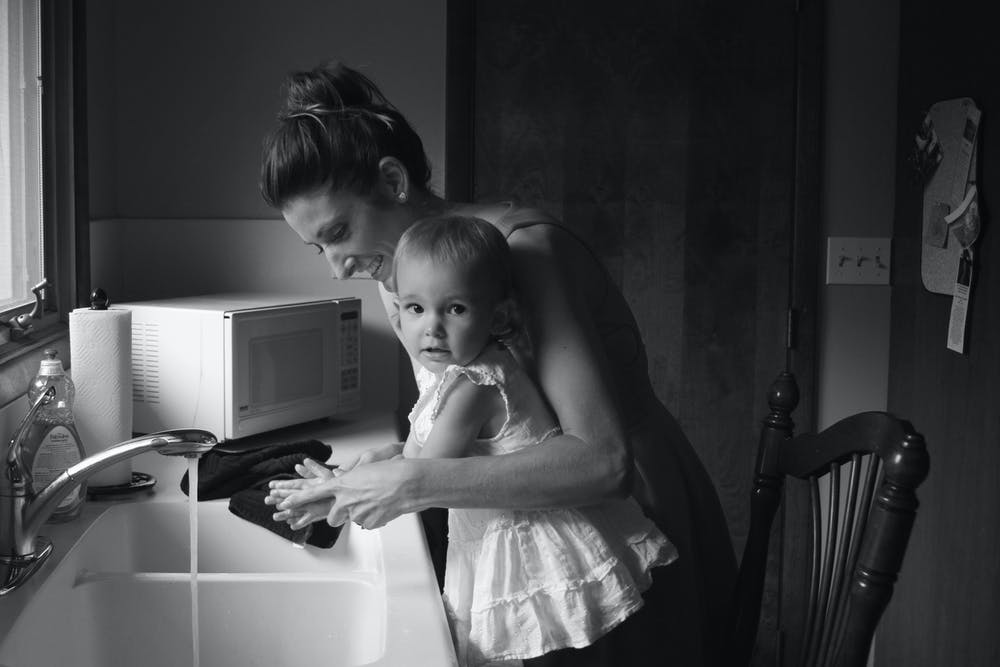
Let children notice how soap makes bubbles. Say: “Bubbles help lift dirt and germs off our skin.”
You can add a challenge: “Can you make bubbles on the back of your hands? Now between fingers?”
4) Sink-side Storytelling
Tell a 20-second “micro story” while children scrub:
- “Once there was a tiny germ…”
- “The soap came to help…”
- “Scrub, scrub, scrub…”
When the story ends, it’s time to rinse.
How do you set up the #classroom-so kids remember on their own?
Handwashing goes better when the environment helps children succeed.
- Make sinks easy to use: step stools, easy soap pumps, paper towels ready
- Use picture cues: photos of children washing hands, or simple clip-art steps
- Create a “first-then” routine: “First wash hands, then snack.”
- Keep it calm: less waiting reduces rushing and arguing
- Practice as a group: early in the year, do “handwashing practice” like a learning activity
What should you say when kids rush, play, or refuse?
Use short, calm words and give a clear next step.
If a child rushes:
- “Let’s try again. Soap on, then scrub until the song ends.”
If a child refuses:
- “You can choose: wash at this sink or that sink.”
- “First hands, then #playground.”
- “I will help you get started. You finish.”
If a child #plays too much at the sink:
- “Water is for washing. When hands are clean, we turn it off.”
Consistency matters more than long speeches.
How can you partner with families to build the habit at home?
Families love simple tools they can use right away.
- Send home your class “handwashing song” and steps
- Share the same “when to wash” list (before eating, after bathroom, after play)
- Encourage families to model: children copy adults
A free ChildCareEd resource families may find helpful for illness prevention is:
Maryland Communicable Diseases Summary Buy Now $0.00
Where can you learn more with ChildCareEd?
If you want deeper training on health and hygiene routines, these ChildCareEd courses connect well to teaching handwashing:
- Shoo, Germs! Don't Bother Me!
 Buy Now $24.00
 - Preventative Health and Safety Buy Now $24.00
- Creating Safe & Healthy Child Care Environments Buy Now $55.00
For more health-and-safety reminders (including handwashing timing and steps), this related ChildCareEd article is a great read:
Health and safety refreshers: handwashing, sanitation, and illness policies
And for quick tips you can share with staff and families, follow ChildCareEd on YouTube and hit “Subscribe”: https://www.youtube.com/@childcareed (childcareed.com)
When handwashing is fun, predictable, and practiced every day, children learn it faster—and they carry the habit with them for life.
- CDA Home Visitor Subject Area 3 Part 3 Birth to 5
- How To Keep A Healthy Class: Six Tips for Germ Control
- From Tantrums to Triumphs: Equipping Preschoolers with Self-Regulation Skills
- Bienvenido! Welcoming All Families
- 45 Hour Infant and Toddler Methods and Materials
- How To Keep A Healthy Class: Six Tips for Germ Control
- The Best Promotion is Play
- Creating Environments that Nurture Growth and Community
- Texas Director Credential
- Prevention and Control of Infectious Diseases
- Healthy Cooking for Picky Kids
- Gut Gnomes and Fairy Food: How to Feed the Magical Creatures Living in Your Kid’s Tummy
- ❄️ ¿Qué actividades al aire libre funcionan bien para los niños de Illinois en cada estación? 🌷🍂
- Achoo! Classroom Tips to Help Stop Germs
- Consejos de Supervisión Activa para Salones de Preescolar y el Juego al Aire Libre
- Sweet National Ice Cream Day Activities Kids Will Love
- How can Oklahoma child care programs use daily routines to stay safe and compliant?
- How Can Michigan Daycare Centers Prevent the Spread of Illness?
- How Can New York Childcare Classrooms Cook with Kids Safely and Simply?
- How Can Oklahoma Early Educators Help Every Child Join In?
- Animal Races for Kids: Fun Movement Activities
- Easy Pool Noodle Sea Creatures for Ocean Theme Activities
- How Can Michigan Providers Prevent Summer Learning Loss in Young Children?
- How can we plan fun, safe outdoor activities for school-age daycare programs?
- How can school-age daycare use outdoor activities to teach, play, and stay safe?
- What are fun, practical school-age daycare activity ideas for teachers?
- How Can Minnesota Child Care Programs Build A Strong Handwashing And Hygiene Routine?
- Which Handwashing Activities Best Help Young Children Build Healthy Habits?
- How can child care programs build healthy hygiene habits?
- How Can We Make Handwashing Fun and a Reliable Daily Routine?
