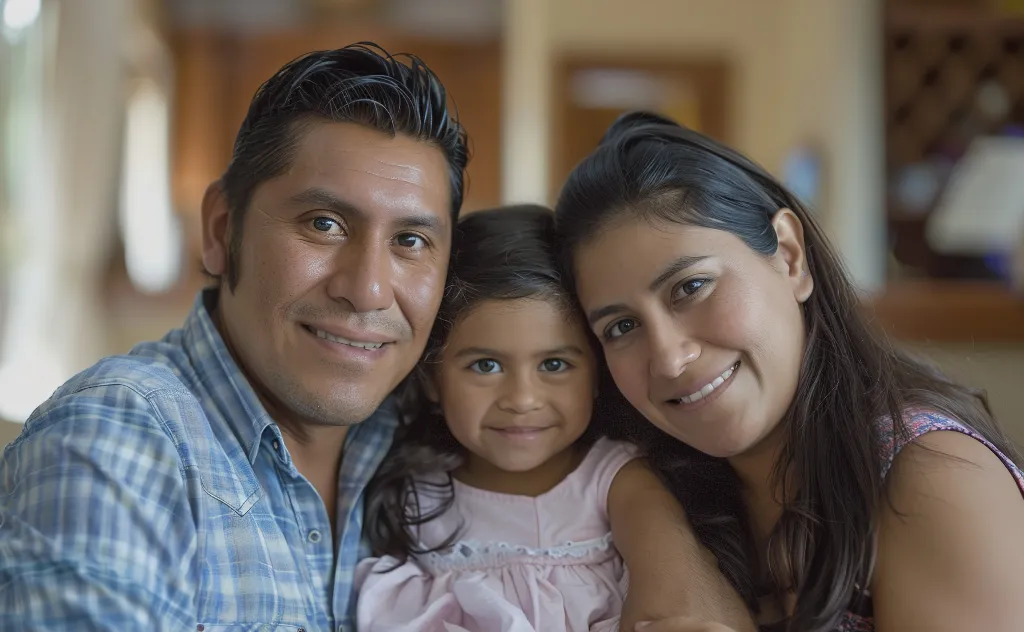
Building strong, positive relationships with families is one of the most rewarding and essential parts of being a child care provider.
When #parents and guardians feel trusted, respected, and involved, the children in your care feel #safer and happier. It creates a bridge between #home and school that allows a child to cross back and forth with confidence.
However, building these relationships takes time and effort. It requires consistent communication, a welcoming attitude, and professional skills. This guide will explore practical strategies you can use every day to connect with families, along with resources from ChildCareEd to support your professional journey.
1. The Power of First Impressions
The relationship begins the moment a family walks through your door. A welcoming environment sets the tone for everything that follows.
- Greet Everyone by Name: Make it a habit to greet both the parent and the child by name every morning. A warm smile and a "Good morning, Mrs. Jones! Hi, Sarah!" signals that they are important to you.
- Create a "Family Wall": Dedicate a wall in your classroom to family photos. Ask each child to bring in a picture of their loved ones. This not only comforts the child during the day but also shows parents that their family is a valued part of the classroom community.
- Open Door Policy: If your center allows, encourage parents to drop by or volunteer. Even if they cannot visit often, knowing they are welcome builds trust.
2. Communication: The Two-Way Street
Effective communication is the foundation of any strong relationship. It is not just about telling parents what their child did; it is about listening to them as well.
Daily Check-Ins
Parents love to know the details of their child's day. It reassures them that you are paying attention.
- The "Sandwich" Method: When giving updates, try to "sandwich" any neutral or negative news between two positives. Start with a fun activity the child enjoyed, mention if they didn't eat much lunch, and end with a cute thing they said.
- Be Specific: Instead of just saying "He had a good day," say, "He built a huge tower with the blue blocks today!" Specific details show you really care.
Asking Questions
Show families that you respect their expertise. They know their child better than anyone.
- "How did she #sleep last night?"
- "What sorts of games does he like to #play at home?"
- "Is there anything special happening in your family this weekend?"
Asking questions helps you understand the child's behavior and moods, and it makes parents feel heard.
3. Cultural Competence and Inclusion
Every family is different. They have different traditions, languages, and beliefs. A great child care provider respects and celebrates these differences.
- Learn Key Phrases: If a family speaks a different language, try to learn a few words like "Hello," "Thank you," and "Good job." This small effort shows huge respect.
- Ask About Traditions: Invite families to share their holidays, food, or songs with the class. This enriches the curriculum for all the children and makes the family feel proud and included.
- Be Non-Judgmental: Parenting styles vary. unless a child is in danger, try to support the parent's choices even if they are different from your own.
4. Involving Families in the Program
When families participate in the program, they feel a sense of ownership and belonging.
- Decision Making: Give parents a voice. Ask for their feedback on #menu changes or #playground equipment.
- Volunteering: Offer simple ways to help. Parents can be "Guest Readers" during story time, save recyclable materials for art projects, or help organize a holiday party.
- Surveys: Use surveys to gather feedback. Some parents are shy and prefer writing down their thoughts rather than speaking up in person.

5. Handling Tough Conversations
No relationship is perfect. There will be times when you have to discuss difficult topics, like biting, hitting, or #developmental-delays.
- Be Prepared: Before you talk to the parent, have your observations ready. Use a Parent-Teacher Conference Form to organize your thoughts so you don't forget the important positives.
- Focus on Solutions: Don't just present the problem. Come with ideas for how you can work together to help the child. Say, "We are working on using gentle hands here at school. What works for you at home?"
- Stay Professional: Keep your cool. Remember that parents might be emotional because they love their child. Your job is to be the calm, supportive professional.
Recommended Training for Child Care Providers
Building relationships is a skill that can be learned and practiced. ChildCareEd offers excellent courses that dive deep into these topics.
- Building a Community of Families
 Buy Now $16.00 This course is essential for learning how to turn a group of individual parents into a supportive community. It covers strategies for involving parents in the child care setting and understanding the vital role they play in their child's education. You will learn how to distinguish between different families' expectations and how to meet them.
 - Family (or Parent) Conferencing: Developing Trust ONLINE Buy Now $24.00 Conferences can be stressful, but they are the best time to build trust. This course teaches you how to plan and structure a productive conference. You will learn what to avoid, how to overcome communication barriers (including #cultural ones), and how to use listening skills to foster a true partnership.
Helpful Resources and Articles
To help you get started immediately, here are some tools you can use in your classroom today.
- Free Resource: Download the Parent-Teacher Conference Form Buy Now $0.00. This administrative tool helps you take notes before and during #conferences. It outlines a child's strengths and areas for improvement, functioning as an agreement between you and the parent to support the child together.
- Insightful Article: Read Beyond the Daily Report: Fresh Ways to Build Stronger Parent Partnerships. This article goes beyond the basics and offers creative ideas for connecting with families, such as sharing "learning stories" instead of just logistics, and using technology thoughtfully.
Conclusion
Building strong relationships with families is a journey. It happens one smile, one conversation, and one positive interaction at a time. When you put in the effort to communicate, respect differences, and involve families, you create a circle of support around the child. This ensures that the children in your care have the best possible foundation for learning and life.
Stay Connected with ChildCareEd
For more tips, resources, and community stories, follow us on our social media channels!
- Bienvenido! Welcoming All Families
- Bridging Intent and Response: Communication
- Professional Partnerships & Practices
- Our School Age Family Tree: Children, Staff, & Parents
- CDA Bridge Bundle: Family Child Care
- Family (or Parent) Conferencing: Developing Trust ONLINE
- Connections That Count: Building Relationships in Child Care
- Texas Director Credential
- Mentoring Professional Etiquette in Child Care
- Families, Communities, and Classrooms: Working Together for Children
- Creating Community
- Inside the Child Care Resource Center: How to Maximize Support for Families and Educators
- 👶 ¿Cuáles son las proporciones y grupos requeridos en Dakota del Norte? 🏫
- Curso de Comunicación de 9 Horas de Maryland
- How can we build strong teacher-child relationships?
- How Can New California Daycare Providers Build Trust with Families?
- How can we build strong teacher-child relationships?
- The First Weeks of Child Care: Building Trust with Children
- How can we build strong teacher–child relationships?
- How can California early childhood classrooms build strong parent partnerships?
- How Can I Build Professional Relationships With Families?
- How can we build professional relationships with families?
- How can childcare providers build positive relationships with families?
- Connections That Last: Helping Georgia Early Educators Build Stronger Classrooms Through Community and Collaboration
- How can Florida educators build strong foundations for infants, toddlers and K–3 readiness together?
- How Can Child Care Programs Build Strong Family Engagement?
- How can child care programs build strong relationships with licensing and community agencies?
- What Makes a Great Home Daycare? 10 Things Parents Notice First
