Children notice differences early; the way adults respond can turn that curiosity into respect, or leave children unsure what they are allowed to ask. The online Strength in Differences: Cultural Diversity  Buy Now $24.00 course offers practical ways to build culturally responsive classrooms and strengthen your professional knowledge. For an additional focus on inclusive teaching, explore Diversity, Equity, and Inclusion in Education Buy Now $16.00 as you consider the everyday practices that help every child feel valued.
Why does talking about similarities and differences matter?
Children make sense of the world by noticing patterns: who speaks a language, who uses a mobility device, what families eat, and how people look or dress. These observations are not automatically unkind. They are opportunities to build vocabulary, learn accurate information, and practice treating others with care. Avoiding every discussion of difference can unintentionally suggest that some identities are taboo or less welcome.
Anti-bias education supports children in developing a confident sense of self, becoming comfortable with human diversity, recognizing unfairness, and learning ways to respond. NAEYC emphasizes that this perspective belongs throughout curriculum, relationships, and program decisions—not only in a special activity. Children are both similar and different: they share needs and feelings, while experiencing and expressing them in varied ways.
This work matters in ordinary moments. A respectful response can help a child feel recognized, give peers language for including one another, and reassure families that their knowledge and identities matter in the program. It also helps educators examine whether classroom expectations and materials work for the children actually in their care.
- Children build vocabulary for identity, feelings, and fairness.
- Peers practice curiosity and empathy without ranking people.
- Families see their languages and experiences treated as strengths.
How can teachers respond when children point out differences?
Stay calm and take the question seriously, even if it catches you off guard. The Anti-Defamation League recommends not silencing a child’s observation; instead, clarify what the child is asking and offer a brief, truthful answer. For example: “You noticed that Sam uses a wheelchair. It helps Sam move around. What would make it easier for Sam to join our game?” This acknowledges a visible difference without treating it as a problem or spectacle.
Use clear language that fits children’s development. Avoid vague reassurances that erase identity, such as claiming everyone is exactly the same. People may share basic needs and rights while differing in skin tone, language, ability, family structure, beliefs, and traditions. If you do not know an answer, say so and make a plan to learn more from reliable sources or with the family’s guidance.
When a comment is hurtful, respond promptly and firmly without shaming the child. Name the impact, restate the expectation, and offer a respectful alternative: “We don’t call someone’s lunch weird. Foods are different in different homes. You could say, ‘I haven’t tried that before.’” If a child asks an awkward question in public, a short answer now and a fuller conversation later can protect the dignity of the person being discussed.
- Pause, listen, and check what the child means.
- Answer honestly in a few concrete sentences.
- Correct hurtful language while teaching a better way to speak.
What activities help children explore what is alike and different?
Choose hands-on experiences that allow children to notice distinctions without sorting people into “better” and “worse.” Offer mirrors and varied skin-tone art materials for self-portraits; children can describe the colors they choose and notice the range in the group. Invite children to compare favorite activities, hair textures, languages, or ways of communicating, while emphasizing that no single feature tells a person’s whole story.
Stories, music, and dramatic play offer additional entry points. Read picture books in which people from varied backgrounds appear in everyday, capable roles. Ask open questions: “What feels familiar?” “What is new to you?” and “How could the characters help each other?” Play music contributed by families or chosen from varied traditions, and invite children to describe its rhythm, instruments, or movement rather than expecting any child to explain a whole culture.
Keep activities ongoing and responsive. A one-time celebration may be enjoyable, but regular representation and conversation communicate belonging more consistently. Adapt materials so all children can participate, and make personal sharing voluntary.
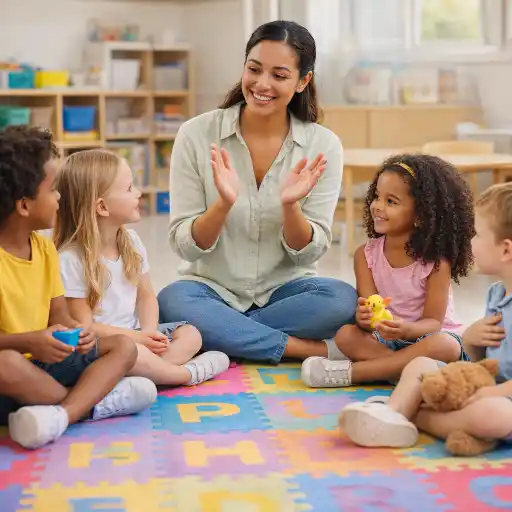
- 🎨 Create self-portraits using mirrors and a range of art materials.
- Compare how different songs can make people want to move in different ways.
- Use family photos or drawings to talk about the many people who care for children.
- Explore similar and different features of leaves, blocks, or other objects before connecting the idea to people respectfully.
How can classroom materials and routines communicate belonging?
Children learn who belongs from the environment as well as from teacher language. Review books, dolls, puzzles, posters, dramatic-play props, and music: Do they reflect different skin tones, abilities, family structures, languages, and ways of life? Are people shown in varied roles and ordinary situations, rather than appearing only in a holiday display or a story about hardship? Avoid materials that reduce a culture to a costume or a single object.
Representation should be accurate and purposeful. Include accessible pathways and materials, visual supports, and multiple ways to participate. NAEYC’s guidance on inclusive practice highlights the importance of understanding each child’s strengths, experiences, needs, and family context. A child may join a conversation by speaking, pointing, drawing, watching before participating, or using a communication device; participation does not have one appearance.
Build identity-affirming routines into the day: pronounce names carefully, learn greetings families choose to share, display children’s work with permission, and include home languages where possible. Ask before posting family images or stories. For deeper professional learning, consider Cultures in the Classroom Buy Now $24.00, which focuses on helping providers celebrate culture and foster acceptance.
- Use books and images that reflect children in your program and the wider community.
- Offer different ways to communicate, create, and join activities.
- Check whether displays and play materials are respectful, current, and inclusive.
How can educators partner with families and address unfairness?
Families are essential partners and experts on their children’s experiences, language, routines, and strengths. Invite information through open-ended questions such as, “What helps your child feel comfortable in a new group?” or “Are there words or routines you would like us to know?” Offer flexible ways to respond, and make contributions optional. Do not ask a child or family to represent an entire community.
When children encounter exclusion or a stereotype, name what is unfair in concrete terms: “Everyone who wants to play needs a way to join. Let’s make room and decide what role each person can choose.” Support the child affected, guide the child who caused harm, and help peers practice repair. The goal is not simply to stop a remark; it is to reinforce that people deserve respect and that unfair situations can be changed.
Directors can help staff sustain the work through shared expectations, reflection time, inclusive materials, and review of how children are included in activities and routines. Discuss challenging moments with colleagues and families with care, focusing on what children need to participate and belong. Building Bridges for Dual Language Learners Buy Now $25.00 is another relevant course for educators seeking strategies to support language diversity and partner with families.
State requirements vary - check your state licensing agency.
Summary: What should teachers keep in mind?
To help young children understand similarities and differences, respond to their observations with calm, accurate language and make room for respectful questions. Teach that people share needs and feelings, while identities, abilities, languages, families, and traditions vary. Difference is not a reason to exclude or rank anyone.
Use inclusive books, adaptable activities, everyday representation, and family partnership to make these ideas part of classroom life. Intervene when words or actions cause harm, support the child affected, and teach children practical ways to include one another. Small, repeated choices help children build a community where curiosity is welcome and everyone belongs.
For further learning on culturally responsive curriculum and inclusive practice, consider From Play to Planning: Building Culturally Competent, Child-Centered Curriculum Buy Now $55.00. Use these principles to keep answering the central question in your daily practice: how can teachers help young children understand similarities and differences? By noticing, naming, listening, and guiding with respect.
#children learn about #diversity through respectful #conversation, inclusive #classroom materials, and meaningful #belonging.
- Positive Attention: Interactions & Supervision of Infants & Toddlers
- Reducing the Risk of Sudden Infant Death Syndrome
- The ABCs of Behavior: Turning Challenges into Learning Opportunities
- Pediatric RSV First Aid & CPR/AED
- CDA Bridge Bundle: Family Child Care without Portfolio Review
- CDA Bridge Bundle: Infant/Toddler without Portfolio Review
- CDA Bridge Bundle: Preschool without Portfolio Review
- Emergent Learning & Development
- Creating Environments that Nurture Growth and Community
- Strength in Differences: Cultural Diversity
- CDA Certification en Español: Recursos y Consejos para Educadores Bilingües
- 🔍 ¿Qué ves cuando observas a un niño aprender?
- 10 Ejemplos de Cómo la Cultura Influye en el Desarrollo Infantil
- Proporciones de Cuidado Infantil y Tamaños de Grupo por Edad en Nueva Jersey (Guía Rápida para Centros y Hogares)
- Proporciones de Cuidado Infantil y Tamaños de Grupo por Edad en Virginia (Guía Rápida para Centros y Hogares)
- Cómo Celebrar el Día Nacional del Kindergarten
- Cómo Trabajar en el Cuidado Infantil en Carolina del Norte: Requisitos y Pasos
- Celebrando la amistad en el cuidado infantil durante el Día de los Mejores Amigos
- Canciones, juegos y preguntas de círculo para niños
- Getting to Know You Activities for Preschoolers When a New Child Joins the Class
- Social Studies Activities for Toddlers: Start With Home, Helpers, and Their Little World
- How Can Child Care Providers Support Families from Diverse Cultural Backgrounds?
- How Can We Celebrate Every Family and Create a Classroom Where Everyone Is Represented?
- Why Is Upper- versus Lowercase Sorting Great for Letter Recognition?
- What Are Age-Appropriate Ways to Honor Latino Cultures in the Classroom?
- How Can Sorting Activities Strengthen Early Thinking Skills?
- How Do Animal Classification Activities Build Early Science Thinking?
- How Can “All About Me” Activities Build a Stronger Classroom Community?
- How Do Memory and Matching Games Support Visual Discrimination?
- How Can Teachers Help Young Children Understand Similarities and Differences?
