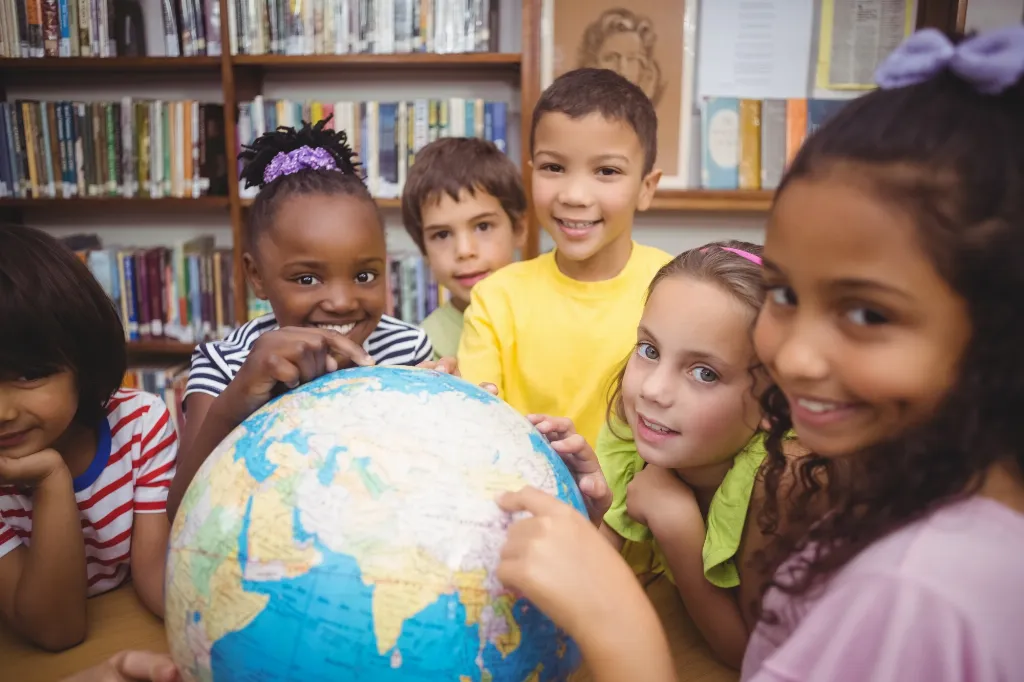
 Young children are curious. They notice music, food, clothes, and words that are different from what they know. As a child care provider or director, you can turn that curiosity into kind learning. This short guide gives clear, practical steps you can try tomorrow. You will see how to start, what to do, how to include families respectfully, and how to check if it works. Small, steady activities help create a classroom where every child feels they belong.
How can I begin a multicultural theme that feels safe and simple?
Start with 4 clear steps so your team can copy them. Keep the start calm and fun.
- 🎫 Create a classroom passport: 1 passport per child. Add a sticker when you "visit" a place. See ChildCareEd's Passport to Fun for printables.
- 🗺️ Hang a child-level map: Let children point to places their families come from. Label with pictures and simple words.
- 🧳 Make a travel dramatic-play center: small suitcase, pretend tickets, postcards, hats, and stuffed travel buddies. Rotate items each week.
- 👋 Pick 3 greetings: Teach one greeting a week. Practice at circle time for a minute each day.
Quick tips for a good start:
- Number centers so children know how many to pick each day.
- Use real photos and books rather than costumes or caricatures — see Exploring Cultures with Around the World Activities.
- Offer family sharing as optional: photos, a short song title, or a note. State requirements vary - check your state licensing agency.
These simple moves make learning feel like a friendly trip. Kids become explorers, not performers. Keep language short and repeat often. This helps both English learners and all children feel ready to join.
What hands-on centers and activities teach about different cultures?
- 🎨 Art Center — Flags & patterns
- Goal: colors, shapes, fine motor.
- Materials: paper strips, glue, collage bits. Focus on patterns not perfect flags. See Multicultural Games and Activities.
- 🔤 Literacy — Postcards & passports
- Goal: drawing, early writing, vocabulary.
- Try sentence starters like "Hello from ____." Add stickers to passports.
- 🌊 Sensory Bin — Market or ocean
- Goal: vocabulary and sensory play.
- Use photos, labeled items, or pretend food to avoid allergy issues. ChildCareEd offers sensory ideas in Fun Multicultural Activities for Preschoolers.
- 🏗️ Block Area — Build a city
- Goal: math language (tall, wide), planning, cooperation.
- Add photos of real homes and bridges as inspiration.
- 🎶 Music & Movement — World songs
- Goal: rhythm, listening, gross motor.
- Play short clips and ask, "Is it fast or slow?" Move together. Find song ideas at Sing Play Create.
Practical notes:
- Rotate centers so each child visits a few per day.
- Label with pictures and, when families agree, add home-language words.
- Use photos and real-life stories rather than costumes. For more printable ideas, check ChildCareEd's Around the World pack.
How do I include families and teach about culture respectfully?
- 📬 Invite families with options:
- Send a short note that says: "If you’d like, send a photo, a greeting, or a short song title. Sharing is optional."
- Link to resources like ChildCareEd's Celebrate Every Family for phrasing ideas.
- 🗣️ Honor home languages:
- Label classroom items in simple English and a home language when possible.
- Offer family-recorded greetings if a family prefers audio over reading.
- 🤝 Ask families how they want to be included:
- Some share photos, others prefer a note or a favorite song title. Respect privacy and choices.
Why this matters:
When families help plan, materials stay accurate and children see their lives reflected. Use real-photo books and training like ChildCareEd's Strength in Differences  Buy Now $24.00 to support staff. Keep sharing optional and always thank families for whatever they offer. This builds trust, pride, and stronger classroom ties. Your approach makes families partners in learning.
How do I avoid common mistakes, adapt activities, and measure success?
Use this short checklist for pitfalls, age changes, and quick measures of success.
- Common mistakes to avoid:
- 🚫 Asking one child to represent a whole culture. Use books and teacher-led notes instead.
- 🚫 Doing a single costume "culture day." Focus on daily life: food, music, jobs, and family routines.
- 🚫 Using stereotypes. Pick real photos and family stories over props that mock or simplify.
- How to adapt by age:
- Infants/Toddlers: Photos, songs, and sensory items. Keep it short.
- Preschool: Passport stickers, dramatic play, postcards, and map games.
- School-age: Map projects, simple research, and displays.
- Quick success checks (use a one-line note or checklist):
- Did children join without pressure?
- Were kind words and sharing noticed?
- Did families respond to optional invites?
- Documentation ideas:
- 📸 Take photos of center work and add one-line captions.
- 🖍️ Collect drawings and passport pages for a classroom book.
- 📝 Keep a weekly note of social wins (more greetings, kinder play).
FAQ (short answers):
- Q: Can we include food? A: Use pretend food, photos, or supervised tasting with allergy checks.
- Q: What if a family won’t share? A: Make sharing optional and offer other ways to participate.
- Q: How long should a theme run? A: 3–5 days is easy; you can extend to a week or more.
- Q: Where to find lesson packs? A: See ChildCareEd's free resources and courses like Multicultural Games and Activities for ready-to-use packs.
Use steady, small steps. Track small wins: a new greeting used, kinder play, or a child proud of their family story. These signs mean your work is building belonging. For more classroom packs and training, visit ChildCareEd and related resources linked above.
Conclusion
1) Start small and calm: passports, a map, and one greeting at a time.
2) Use hands-on centers that teach vocabulary, math, art, and social skills.
3) Invite families gently and respect choices. Use real photos and books to avoid stereotypes.
4) Watch for kinder play, more sharing, and children showing pride. Those are the real measures of success.
Your caring, steady lead will help children learn about our wide world in ways that are fun, safe, and fair. For printable packs and staff training, check ChildCareEd's resources like Passport to Fun and Montessori Cultural Activities Buy Now $24.00. Keep trying, reflect with families, and celebrate each small step toward belonging.
- 45 Hour Child Growth and Development
- CDA Home Visitor Subject Area 3 Part 3 Birth to 5
- From Tantrums to Triumphs: Equipping Preschoolers with Self-Regulation Skills
- Birth to Five CDA Credential with Portfolio Review
- Emergent Learning & Development
- Wellness in Action: Teaching Healthy Habits to Children
- Mind's Medicine: Music in Early Childhood
- Montessori Cultural Activities: Exploring the World Through Play and Learning
- Every Moment Matters: Schedules and Transitions
- CDA Certification en Español: Recursos y Consejos para Educadores Bilingües
- ❄️ ¿Qué actividades al aire libre funcionan bien para los niños de Illinois en cada estación? 🌷🍂
- ¿Cuáles son las mejores actividades del Día de la Tierra para niños en casa o en el aula?
- Actividades de Motricidad Gruesa que Desarrollan el Equilibrio, la Coordinación y la Fuerza
- 10 Ejemplos de Cómo la Cultura Influye en el Desarrollo Infantil
- Actividades de Fiesta para Niños de Preescolar y Primaria
- Temas y Actividades para el Día Nacional del Kindergarten para Proveedores
- Consejos de Supervisión Activa para Salones de Preescolar y el Juego al Aire Libre
- Retraso del Habla en la Guardería: Cómo Pueden Ayudar los Proveedores
- Best Daycare Field Trip Ideas in Nevada
- Fun Multicultural Activities for Preschoolers
- Exploring Cultures with Around the World Activities
- Celebrando la amistad en el cuidado infantil durante el Día de los Mejores Amigos
- Celebrating Differences: Diversity Activities for Preschoolers
- How Can I Bring the World Cup into a Multicultural Preschool Classroom in New York?
- Cultural Activities for Preschoolers: Fun Ways to Learn About the World
- How can I integrate the World Cup into my daycare program in an inclusive, safe, and developmentally appropriate way?
- How can I teach kids about different countries during the World Cup?
- How can we teach community and country to young children in simple, respectful ways?
- How Can Preschool Thanksgiving Activities Avoid Stereotypes?
