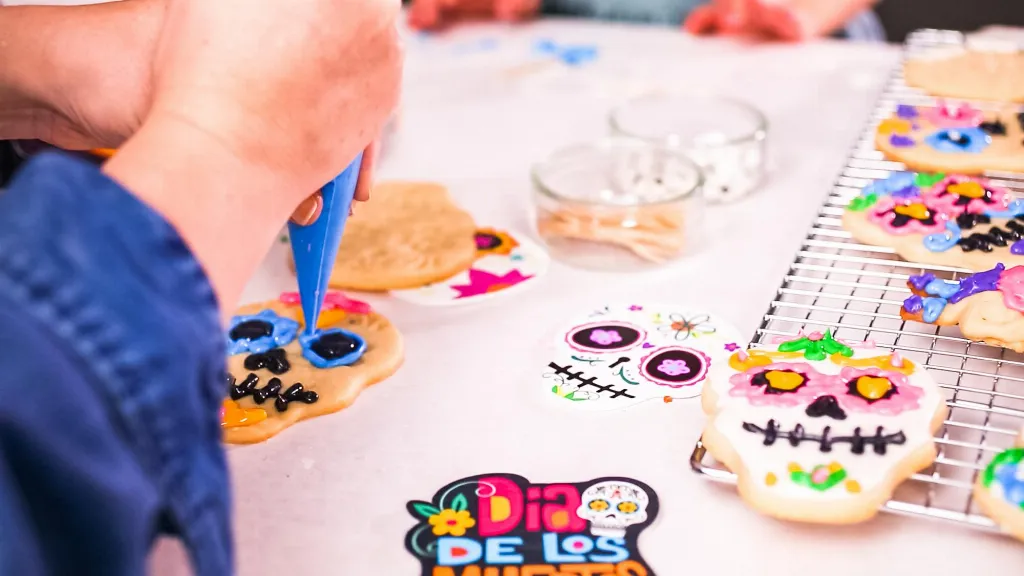
 Mexican-themed activities can be a joyful way to help young learners explore art, music, food, and history while building skills like fine motor work, vocabulary, and teamwork. Use short, respectful lessons and invite family voices when possible.
How do Mexican-themed activities help children learn and why does it matter?
- Teach facts gently: Share one simple idea at a time (for example: Cinco de Mayo remembers a battle in Puebla). For classroom-friendly holiday ideas, see Celebrate Cinco de Mayo With Fun Child Care Activities.
- Build skills: Crafts like decorating a mini piñata practice cutting, gluing, and following steps — explained in Cinco de Mayo in the Classroom: Mini Piñatas, Big Smiles.
- Mix learning goals: Use music to teach rhythm, cooking to teach measuring, and maps to teach geography — ideas in Passport to Fun.
These activities help your #children practice sharing, new words, and fine motor skills while they enjoy #Mexican art and music. Keep lessons short, scaffold steps, and celebrate small wins.
What easy, respectful activities can I run tomorrow?
Choose low-mess, low-cost activities that link to learning. Prioritize real stories, family voices, and authentic images. ChildCareEd has ready-made lists with simple crafts and stations: 7 Fiesta-Fueled Classroom-Friendly Activities.
- 🎨 Make mini piñatas: Use small boxes, tissue paper, and tape. Fill with small toys or healthy treats. See mini piñata tips.
- 🥁 Build egg maracas: Fill plastic eggs with rice or beans, tape shut, and decorate. Use for music time and rhythm games. Helpful how-tos are found in music activity guides like Egg Shaker Activities.
- 🌺 Craft papel picado or tissue flowers: Safe cutting templates build fine motor skills and brighten the room. For multicultural craft ideas, see Fun Multicultural Activities for Preschoolers.
- 🍽️ Cook or taste: Make a simple guacamole recipe with children (teacher prep for safety). A Montessori-friendly recipe is available at Montessori Simple Guacamole Buy Now $0.00.
- 📚 Read and sing: Use bilingual books and short songs to introduce words like hola, gracias, baile, música. Scholastic lists bilingual books that work well: Bilingual Books for Kids.
Keep materials age-appropriate and rotate stations: craft, music, sensory, and quiet reading. These small rotations keep attention and help you run a smooth day.
You can also include short, developmentally appropriate STEM stations—seasonal, hands-on projects are easy to time-box and adapt; see Winter Holiday Fun STEM Activities for simple STEM ideas you can modify for brief rotations.
How do I plan a safe, inclusive, and family-friendly event?
Planning helps everyone enjoy the learning. Use a simple schedule and clear roles for staff and helpers. Example plan:
- 🔹 Welcome circle (5–10 minutes)
- 🔸 Two short stations (15–20 minutes each)
- 🔹 Healthy snack or pretend-food activity (10–15 minutes)
- 🔸 Story time and clean-up (10 minutes)
Keep safety first: follow your program’s allergy plans, cut small foods for young children, and supervise active games. For general safety culture tips, see 10 Actions to Create a Culture of Safety Buy Now $0.00. Also, state requirements vary - check your state licensing agency. For guidance on administrative rules and practical strategies for monitoring staff training to meet licensing requirements, see COMAR Regs/Grupo Admi.
Include families by offering simple, optional ways to share: a photo, a short song title, or a recipe card. Use family input to choose authentic materials and avoid stereotypes. For tips on family-friendly multicultural planning see Fun Multicultural Activities for Preschoolers.
Use sensory bins to explore food textures or market play; how-to ideas are at How to Create a Sensory Bin for Exploration.
What common mistakes should I avoid and how do I measure success?
Common mistakes often come from good intentions. Avoid these pitfalls and use simple ways to see growth.
- 🚫 Don’t use costumes or caricatures that turn culture into a game. Instead, teach daily life, music, and food with respect (see Cultures in the Classroom).
- ⚠️ Don’t ask one child to represent their whole culture. Invite families but keep sharing optional.
- ❌ Avoid exclusive food activities: offer pretend-food options or photos if allergies or access are concerns. Canada’s educator toolkit gives good ideas for food activities and accessibility: Taste the Tradition Toolkit.
How to measure success (quick and practical):
- Note 1–3 small observations after activities: new words used, joined group, followed steps.
- Collect a photo or drawing for each child to show participation.
- Ask families a short question: “Did your child share anything new from today?”
Adapt for ages: younger children get sensory play and songs; preschoolers can do passports, postcards, and piñata crafts; older children can research simple facts and compare maps (see Passport to Fun).
Conclusion and FAQ
Summary: Mexican-themed activities can teach real culture and spark #creativity in your #classroom when you plan short lessons, involve families, and avoid stereotypes. Use simple recipes, crafts, music, and books to connect learning goals to fun.
Quick links for more ideas: fiesta activities and respectful celebration guides are on ChildCareEd: Fiesta ideas and Cinco de Mayo guide.
FAQ
- Q: Can I do food activities if some children have allergies?
A: Yes. Offer pretend-food, photos, or teacher-led tasting with clear labels. Check family notes and follow your allergy plan. - Q: How long should each station run?
A: 15–20 minutes works well for preschoolers. Rotate so everyone has hands-on time. - Q: Where do I find bilingual books?
A: Scholastic and ChildCareEd lists have good bilingual titles to use for read-alouds: Scholastic bilingual books. - Q: How can I include family voices without pressure?
A: Offer easy options: send a request for a photo, a song title, or a short note. Make sharing optional and flexible.
Quick reminder: use respectful images, keep activities short, and celebrate learning. Your calm, curious approach makes cultural learning meaningful for #children and supports positive classroom community.
- CDA Home Visitor Subject Area 3 Part 3 Birth to 5
- CDA Home Visitor Subject Area 2 Part 3 Birth to 5
- Moving About the Classroom: Effective Transitions for Everyday
- Birth to Five CDA Credential with Portfolio Review
- Texas Teacher 24 hours Annual Renewal 2nd Year
- Wellness in Action: Teaching Healthy Habits to Children
- CDA: Stand With Respect and Professionalism
- Montessori Cultural Activities: Exploring the World Through Play and Learning
- Every Moment Matters: Schedules and Transitions
- Moving About the Classroom: Effective Transitions for Everyday
- Creativity & Logic Activities
- Pumpkin Spice and Sensory Delight: Easy Autumn Sensory Bins for Early Learners
- Deck the Halls with Emotional Wellness: Family Traditions That Foster Connection
- How Neurodivergent Kids Shine During the Holidays
- DIY Snow Globes: The Fine Motor Craft That’ll Keep Kids (and Adults) Busy for Hours
- CDA Certification en Español: Recursos y Consejos para Educadores Bilingües
- Cinco de Mayo in the Classroom: Mini Piñatas, Big Smiles
- 7 Fiesta-Fueled Classroom-Friendly Activities
- ¿Cómo hacer actividades navideñas inclusivas para todas las familias?
- Actividades de Fiesta para Niños de Preescolar y Primaria
- Calabazas, hojas y manzanas: actividades de otoño para preescolares
- Mexican-Themed Activities That Teach Culture and Creativity
- Superhero Activities for Preschoolers: Play, Create, and Learn
- Do Toys Come Alive: How Can Pretend Play Spark Creativity in Your Daycare?
- Free Weekly Lesson Plan for Preschool Classrooms
- How Can Child Care Programs Celebrate Mexican Culture Beyond Stereotypes?
- How Can Preschools Celebrate Hispanic Heritage Month Meaningfully?
- What Are Age-Appropriate Ways to Honor Latino Cultures in the Classroom?
- How Can Drawing and Dictation Help Children Respond to Juneteenth?
